You have not yet added any article to your bookmarks!
Join 10k+ people to get notified about new posts, news and tips.
Do not worry we don't spam!
Post by : Jyoti Gupta
Photo:Reuters
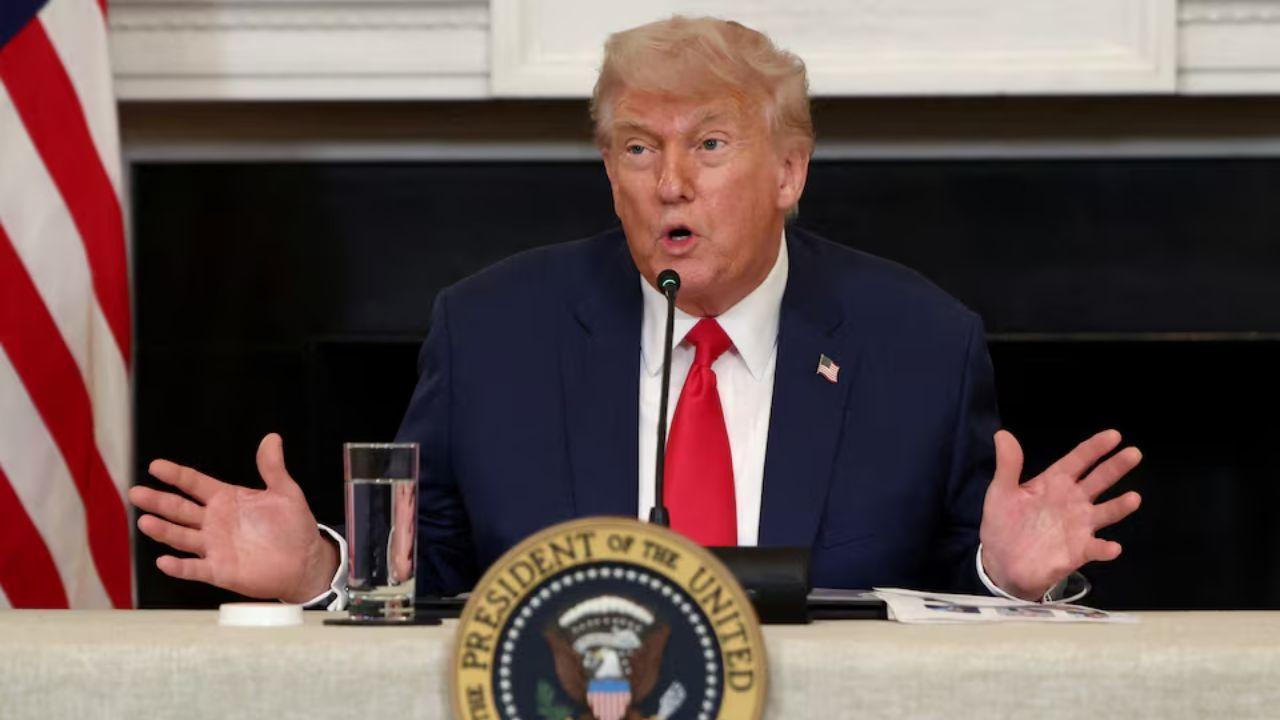
In a landmark moment at the White House, US President Donald Trump welcomed the leaders of Armenia and Azerbaijan to sign a peace accord aimed at ending one of the world’s most enduring and bitter territorial disputes. The agreement, reached after months of behind-the-scenes talks, is centered on the Nagorno-Karabakh region — a mountainous area in the South Caucasus that has been at the heart of bloody conflict since the late 1980s.
The signing ceremony was held in the East Room, with reporters, diplomats, and senior officials in attendance. Both Armenian Prime Minister Nikol Pashinyan and Azerbaijani President Ilham Aliyev sat beside Trump as the documents were finalized. The atmosphere was formal but carried an air of relief — relief that a region plagued by decades of hostility might finally be on a path toward peace.
A Dispute Decades in the Making
Nagorno-Karabakh, though internationally recognized as part of Azerbaijan, has been controlled by ethnic Armenian forces since a war in the early 1990s. That conflict erupted as the Soviet Union collapsed, with both sides claiming historical and cultural rights to the territory. Over 30,000 people were killed, and hundreds of thousands were forced to flee their homes.
Since then, several ceasefires have been signed, but none have held for long. Skirmishes, artillery shelling, and border clashes have flared up regularly. The most recent outbreak in 2020 left thousands more dead and deepened mistrust between the two countries. Efforts by international mediators, including Russia and European powers, have repeatedly failed to deliver lasting peace.
Trump Claims Broader Peacekeeping Success
In his remarks, Trump declared the accord “a historic achievement,” suggesting it could open the door to lasting stability in the South Caucasus. But he did not stop there — he linked this event to what he said were previous successes in preventing conflicts elsewhere.
“Today’s signing follows our success with India and Pakistan,” Trump said, referring to the tense standoff earlier this year between the two nuclear-armed neighbors. “They were going at it big. They were great leaders who came together just before what could have been a tremendous conflict — a nuclear conflict, probably.”
This is not the first time Trump has claimed to have played a role in calming tensions between India and Pakistan. According to him, his administration intervened discreetly during heightened tensions in May, convincing both sides to step back from the brink. New Delhi has consistently denied these claims, but Trump has repeated them in several public appearances.
Praise from Armenia and Azerbaijan
Both Pashinyan and Aliyev used the ceremony to praise Trump personally, going so far as to pledge a joint nomination for him for the Nobel Peace Prize.
“The breakthrough we achieved today would not have been possible without President Trump’s leadership,” Pashinyan said, calling the US president a “peacemaker” who brought the two sides together despite decades of animosity.
Aliyev echoed this sentiment, saying, “From the leaders of countries that were at war for three decades, having these historic signatures here means a lot. This is a tangible result of President Trump’s leadership. Who, if not President Trump, deserves the Nobel Peace Prize? As soon as we return, we will agree to send a joint letter.”
Trump’s Wider List of Mediations
Trump used the occasion to outline other areas where he says his administration has successfully defused tensions. He cited talks between the Democratic Republic of Congo and Rwanda, efforts to stabilize relations between Thailand and Cambodia, and other low-profile diplomatic initiatives.
“We’ve saved countless lives,” Trump said, portraying himself as a global dealmaker. “I came in, and this whole world was on fire. We’ve only been here for six months, but we’ve taken care of just about every fire.”
Earlier that day, US Secretary of State Marco Rubio had similarly praised Trump’s record, listing several regions where he believes the administration has helped avoid bloodshed.
The Road Ahead for Armenia and Azerbaijan
While the signing marks a major diplomatic victory, experts caution that the hardest work lies ahead. The agreement reportedly includes terms for demilitarizing certain border areas, creating joint economic projects, and opening transport links between the two countries. If implemented, these steps could help rebuild trust and boost regional trade.
However, decades of hostility, war trauma, and mutual suspicion will not vanish overnight. Communities in both nations still carry deep scars from past violence, and political opposition in each country could challenge the agreement’s implementation.
Still, for now, the mood is one of cautious optimism. Trade routes linking the Black Sea to Central Asia could reopen, creating new opportunities for commerce and tourism. Families divided by the conflict may finally be able to reconnect.
A Historic Day, but Questions Remain
The Armenia-Azerbaijan peace accord is the latest in a series of agreements the Trump administration claims to have brokered in volatile regions. It comes amid the president’s repeated calls for global leaders to resolve disputes without prolonged warfare.
For Trump’s supporters, the deal is evidence of his unique approach to diplomacy — one that relies heavily on personal relationships with foreign leaders. For critics, questions remain about whether these agreements will endure beyond the headlines and photo opportunities.
For the people of Armenia and Azerbaijan, the hope is simple: that this time, peace will last.




PSG Coach Luis Enrique Urges Players to Step Outside Comfort Zone
PSG coach Luis Enrique says players must leave their comfort zone and keep improving as the club tar

China’s Tiangong Sets New 400m Record at Robot Olympics
China’s Tiangong robot sets a new 400m record at the Robot Olympics, beating a South African robot i

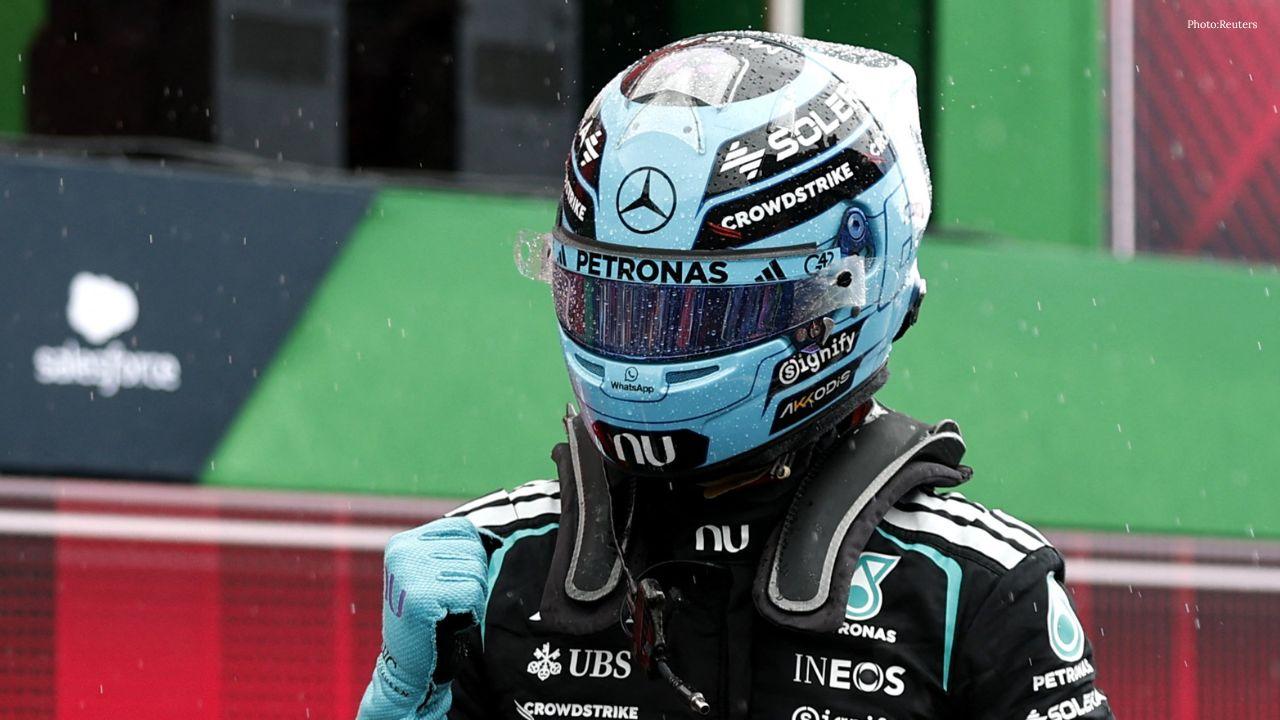
George Russell Wins Dutch GP Sprint, Boosts Mercedes Morale
George Russell wins the Dutch GP Sprint from pole as Mercedes teammate Kimi Antonelli extends his F1
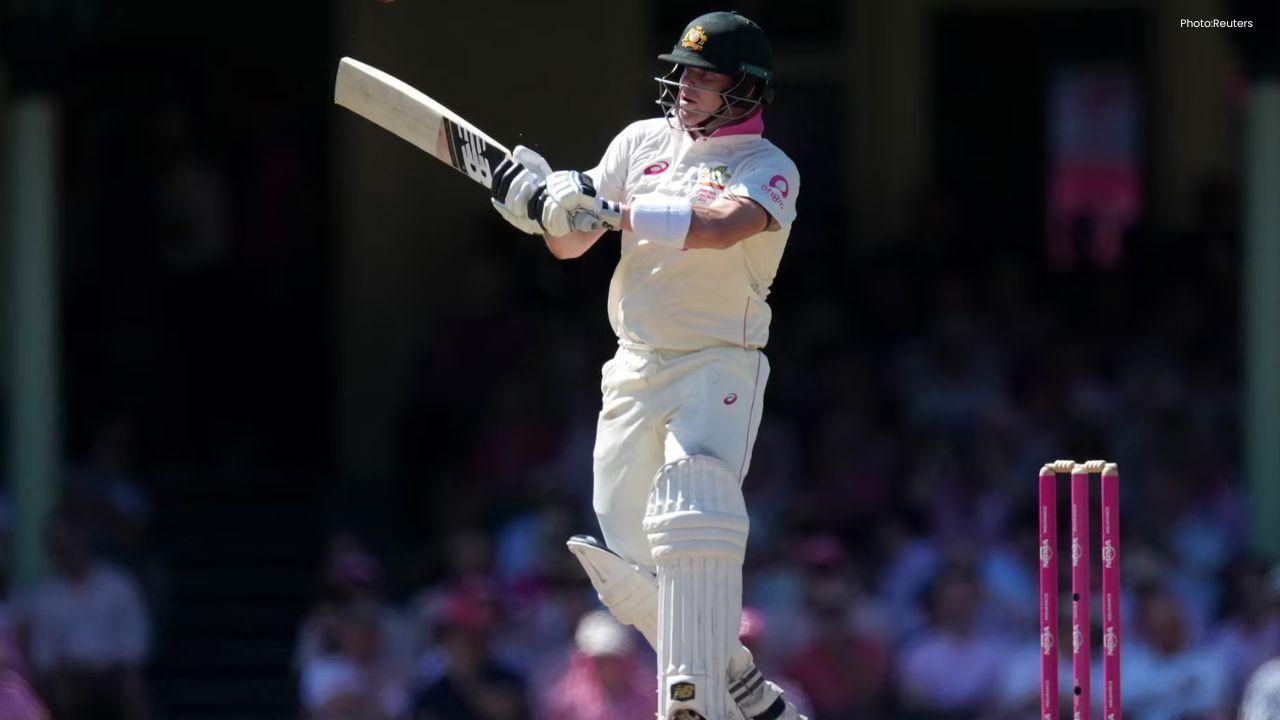
Australia 50/3 After Bangladesh Bowled Out for 64 in Second Test
Australia reached 50/3 after Bangladesh were bowled out for 64 in the second Test, with Mitchell Sta
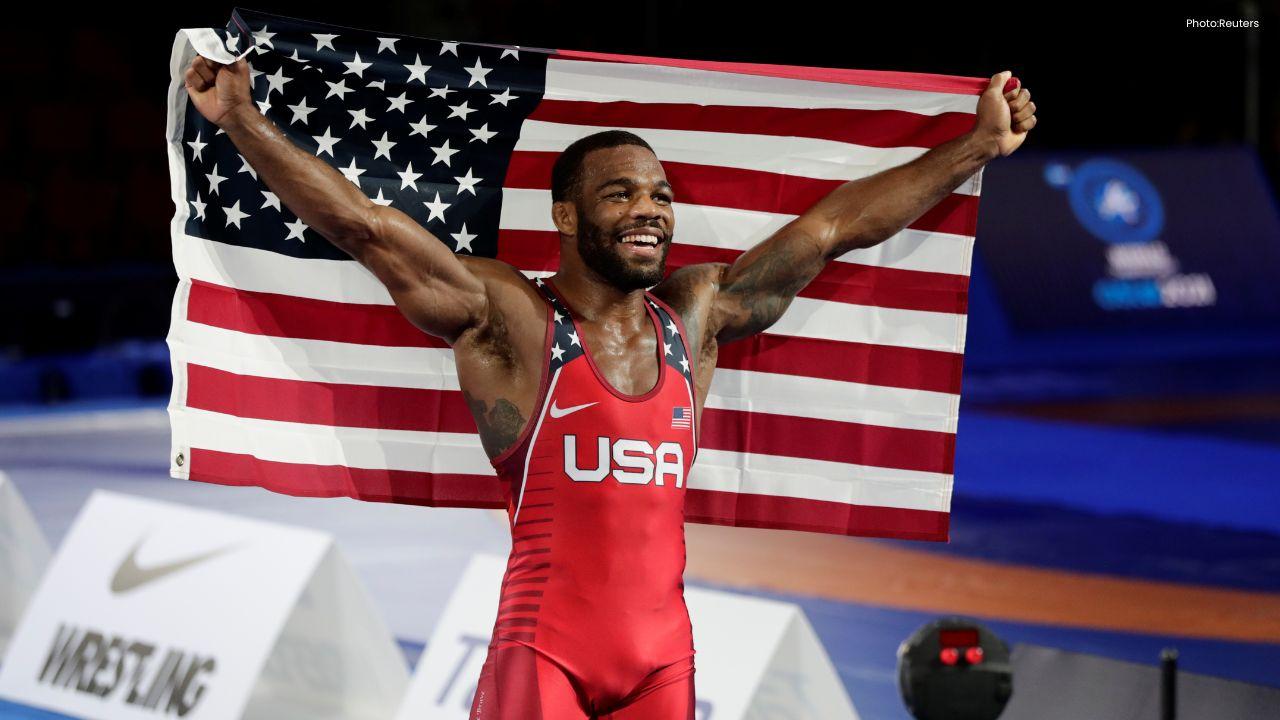
Jordan Burroughs Returns to Wrestling with 2028 Olympic Dream
Jordan Burroughs returns to wrestling with Real American Freestyle as the Olympic champion eyes a po

Lamborghini Catches Fire on Singapore's ECP, Causing Heavy Traffic
A Lamborghini caught fire on Singapore's ECP, causing heavy traffic and bus delays. No injuries were