
You have not yet added any article to your bookmarks!
Join 10k+ people to get notified about new posts, news and tips.
Do not worry we don't spam!
Post by : Rameen Ariff
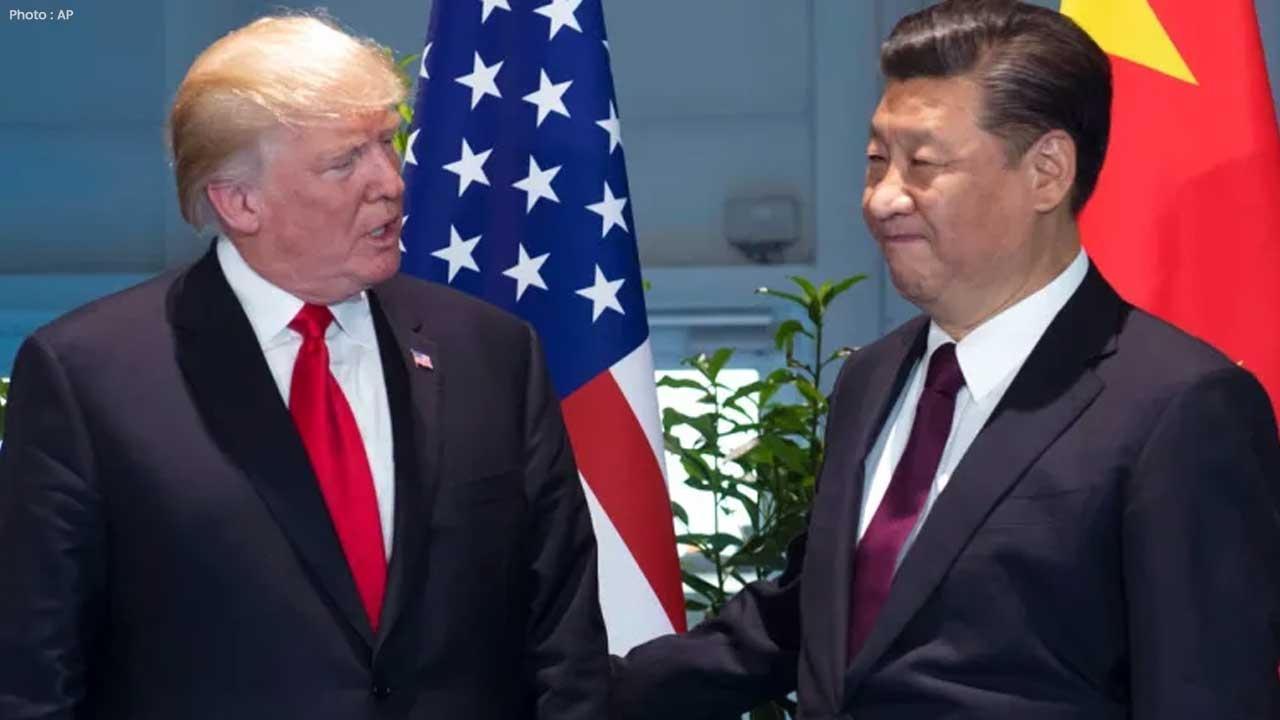
US President Donald Trump announced a dramatic escalation in the ongoing trade tensions with China by imposing a 100% tariff on all Chinese goods, effective November 1, 2025. This move comes after Beijing introduced strict new export controls on rare-earth minerals, materials crucial for industries such as semiconductors, fighter jets, and other advanced technology.
In a post on Truth Social, Trump described China’s actions as “extraordinarily aggressive” and called them “a moral disgrace in international trade.” He also warned that the tariffs could be implemented even earlier if China takes further measures.
US officials interpret China’s export controls as a strategic move to gain leverage ahead of the APEC summit in South Korea, where Trump and Chinese President Xi Jinping were expected to meet. The summit now appears uncertain, as Trump indicated that he sees no reason to meet Xi but has not officially cancelled the meeting.
The sudden surge in tariffs is driven by multiple factors. Firstly, it is retaliation, as China’s rare-earth restrictions directly threaten America’s industrial and defense sectors. The US has attempted to increase domestic rare-earth production, investing $400 million in MP Materials, the country’s only rare-earth producer, but it still relies heavily on Chinese supply chains.
Secondly, the tariffs serve a political purpose. Trump has consistently positioned himself as tough on trade, and this aggressive step signals to his supporters that the US will not be intimidated.
Thirdly, the move is tactical, using tariffs as leverage to push China toward negotiations on US terms. Analysts suggest that the tariffs may be less about revenue and more about forcing China back to the negotiating table.
Finally, the timing has an optical dimension. The announcement coincided with Trump promoting a Middle East peace initiative, allowing him to project strength in both diplomacy and economic policy simultaneously.
Financial markets reacted immediately to the announcement. The Dow Jones Industrial Average fell nearly 900 points, the S&P 500 dropped 2.7%, and the Nasdaq slid 3.5%, with tech and retail stocks leading the decline. Experts warn that a renewed trade conflict could disrupt global supply chains, potentially impacting the upcoming holiday season.
The US and China now appear to be entering another high-stakes standoff, blending politics, economic pressure, and global influence. The situation is closely watched worldwide, as it could significantly reshape trade patterns and industrial supply chains in the coming weeks.










PM Modi Pays Tribute to Mahatma Gandhi, Urges People to Support Khadi
PM Modi pays tribute to Mahatma Gandhi on Gandhi Jayanti and urges citizens to support Khadi and the

Amazon Seeks to Offload $8 Billion in Nvidia Chips to Investors
Amazon plans to move $8 billion in Nvidia chips to investors, using a new financing model to strengt

Samsung Raises Galaxy S26 Prices as Memory Chip Costs Rise
Samsung raises Galaxy S26 prices in South Korea as rising memory chip costs put pressure on smartpho

Lewis Hamilton Calls Singapore Grand Prix One of F1's Toughest Races
Lewis Hamilton discusses the demanding Singapore Grand Prix and brings Plus44 and Almave to Singapor

Denmark's Pandora Opens World's Largest Jewellery Factory in Vietnam
Pandora opens its largest jewellery factory in Vietnam, expanding global production, strengthening s

Gautam Gambhir Questions Batting-Friendly Pitches After India's Record ODI Chase
Gautam Gambhir questions batting-friendly ODI pitches after India’s record chase, calling for a bett

