You have not yet added any article to your bookmarks!
Join 10k+ people to get notified about new posts, news and tips.
Do not worry we don't spam!

Post by : Saif Rahman
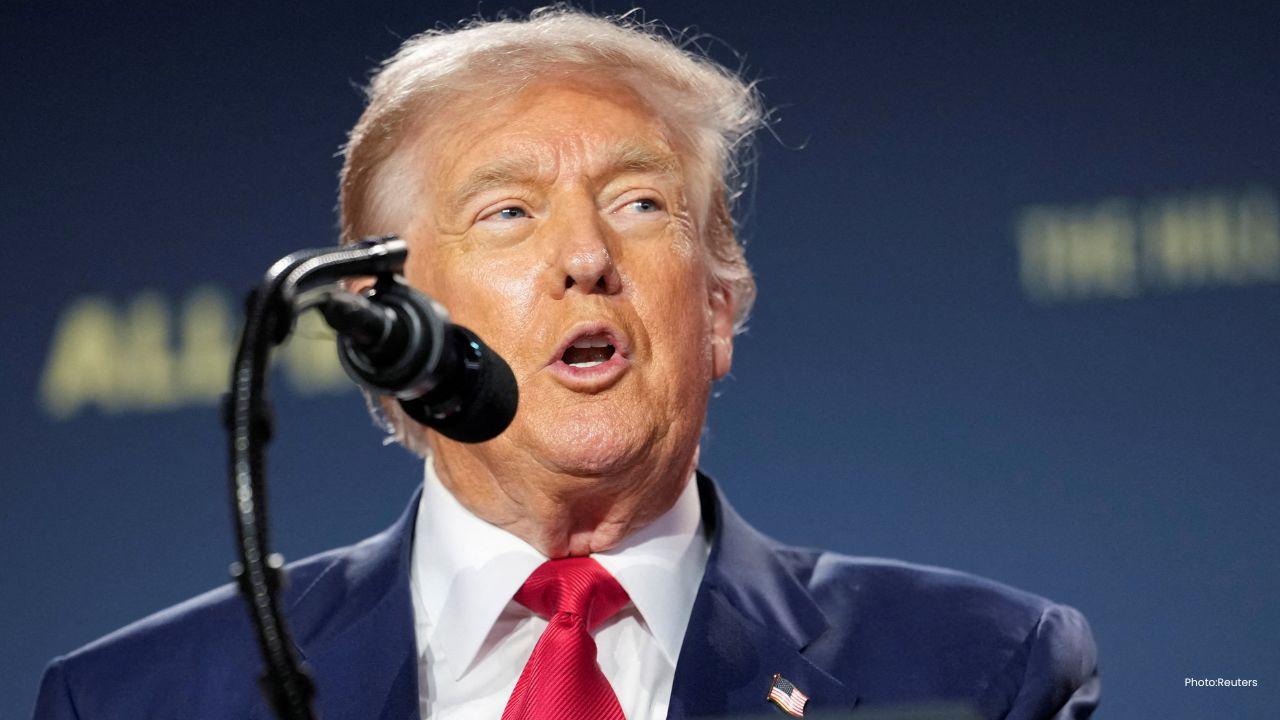
In a significant announcement, President Donald Trump declared that the United States will acquire between 30 million and 50 million barrels of oil from Venezuela, committing to pay the prevailing market price for this crude resource. He emphasized that proceeds from this oil transaction would be directed towards benefiting the citizens of both nations. This revelation comes at a time of escalating tension, shortly after a U.S. military operation resulted in the capture of Venezuelan President Nicolás Maduro, who has been brought to American soil to face allegations related to drug trafficking.
This development has garnered considerable international attention due to its complex interplay of energy dynamics, military intervention, and political transformation in one of the globe’s most resource-rich countries. Venezuela has long grappled with economic crisis, fuel scarcity, and political unrest, despite its vast oil reserves. Trump’s announcement indicates Washington's intention to be actively involved in shaping Venezuela’s future, particularly concerning its oil sector.
On the same day, Venezuelan authorities verified that the U.S. operation, executed during the night, resulted in the deaths of at least 24 security personnel, with later reports suggesting the number may have risen to 56. Venezuela's attorney general has launched an investigation into these fatalities, labeling the military action a potential war crime. Such revelations underline the contentious nature of the U.S. operation, which has stirred significant backlash both within Venezuela and abroad.
Following the capture of Maduro, the reins of power in Venezuela have shifted to Delcy Rodriguez, the former foreign minister, who is now acting president. Rodriguez is well-known to American officials but finds herself navigating through a national crisis in her new role. She has firmly rejected Trump's remarks, warning that neglecting U.S. pressure could lead to a fate worse than that of her predecessor.
Trump's administration has expressed a strong desire for Venezuela to open its oil industry to American companies. He has suggested that U.S. investment and know-how are crucial for revitalizing Venezuela’s beleaguered oil sector. The White House plans to convene a meeting with leading U.S. oil executives, including those from Exxon, Chevron, and ConocoPhillips, to strategize future involvement in Venezuela’s energy landscape.
The outlined oil deal might help boost energy supplies for the U.S. and lessen reliance on other international sources. For Venezuela, however, the dynamics are complex. While foreign investment could potentially rejuvenate oil production, many Venezuelans harbor concerns about relinquishing control of their most critical national asset. Years marred by sanctions, mismanagement, and corruption have already left the industry in tatters, leading to low faith in foreign assurances.
Internally, Maduro's capture has incited a wave of protests and growing discontent. Supporters of the ousted president have taken to the streets in Caracas, organizing large women-led marches to demand his reinstatement. Meanwhile, government allies have staged public appearances to showcase solidarity, yet the nation remains starkly divided. Some citizens harbor hopes that recent changes could alleviate persistent poverty and shortages, while others view U.S. involvement as an infringement on national sovereignty.
This situation raises critical questions regarding the morality of utilizing military force to manipulate political landscapes. While enhancing the quality of life for Venezuelans is undeniably vital, long-term stability cannot stem from coercive measures alone. Historical precedents indicate that external interference often breeds enduring turmoil rather than peace.
Although the proposed oil agreement may yield short-term economic advantages, it fails to address the fundamental problems of weak institutions, political distrust, and societal division. Genuine recovery in Venezuela will necessitate transparent governance, adherence to the rule of law, and initiatives that stem from the Venezuelan populace itself.
Trump's announcement signifies a pivotal juncture in U.S.-Venezuela relations. Whether this leads to resurgence or further discord will hinge on the utilization of power in the upcoming days. Ultimately, Venezuela's destiny should be shaped not solely by military might or oil transactions, but through a methodology that genuinely embodies the desires and wellbeing of its citizens.


China’s Tiangong Sets New 400m Record at Robot Olympics
China’s Tiangong robot sets a new 400m record at the Robot Olympics, beating a South African robot i

George Russell Wins Dutch GP Sprint, Boosts Mercedes Morale
George Russell wins the Dutch GP Sprint from pole as Mercedes teammate Kimi Antonelli extends his F1

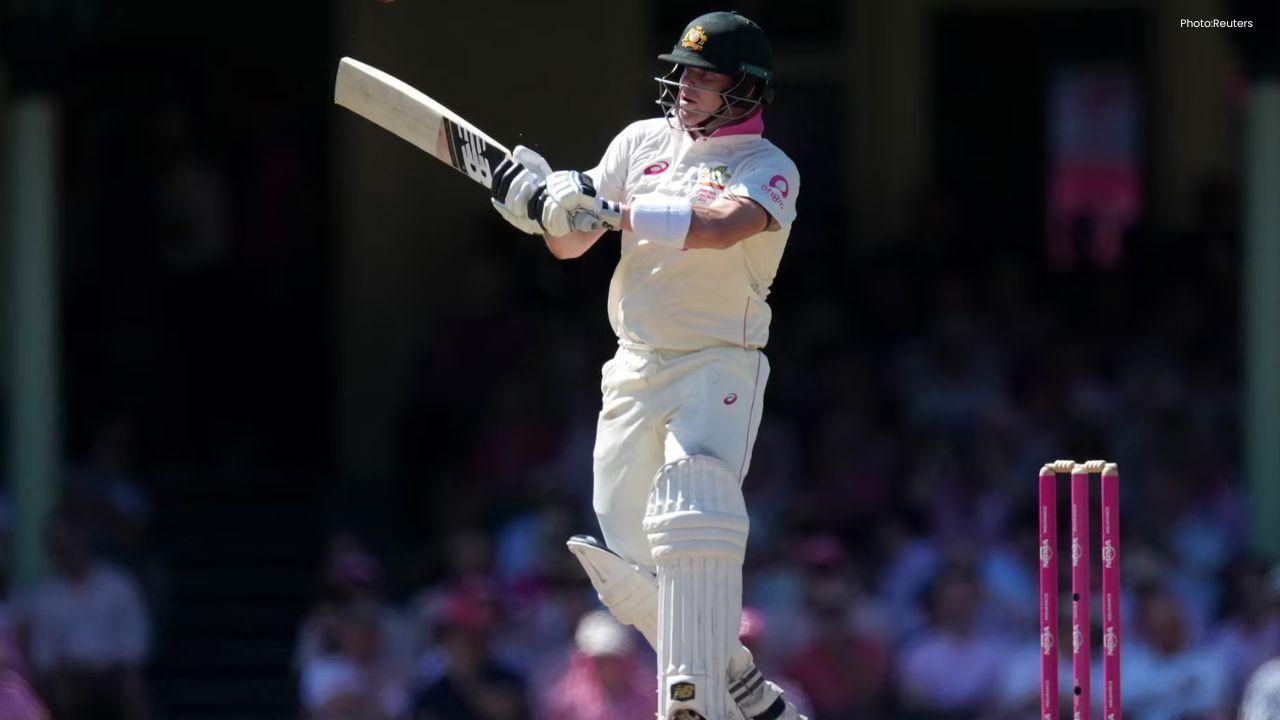
Australia 50/3 After Bangladesh Bowled Out for 64 in Second Test
Australia reached 50/3 after Bangladesh were bowled out for 64 in the second Test, with Mitchell Sta
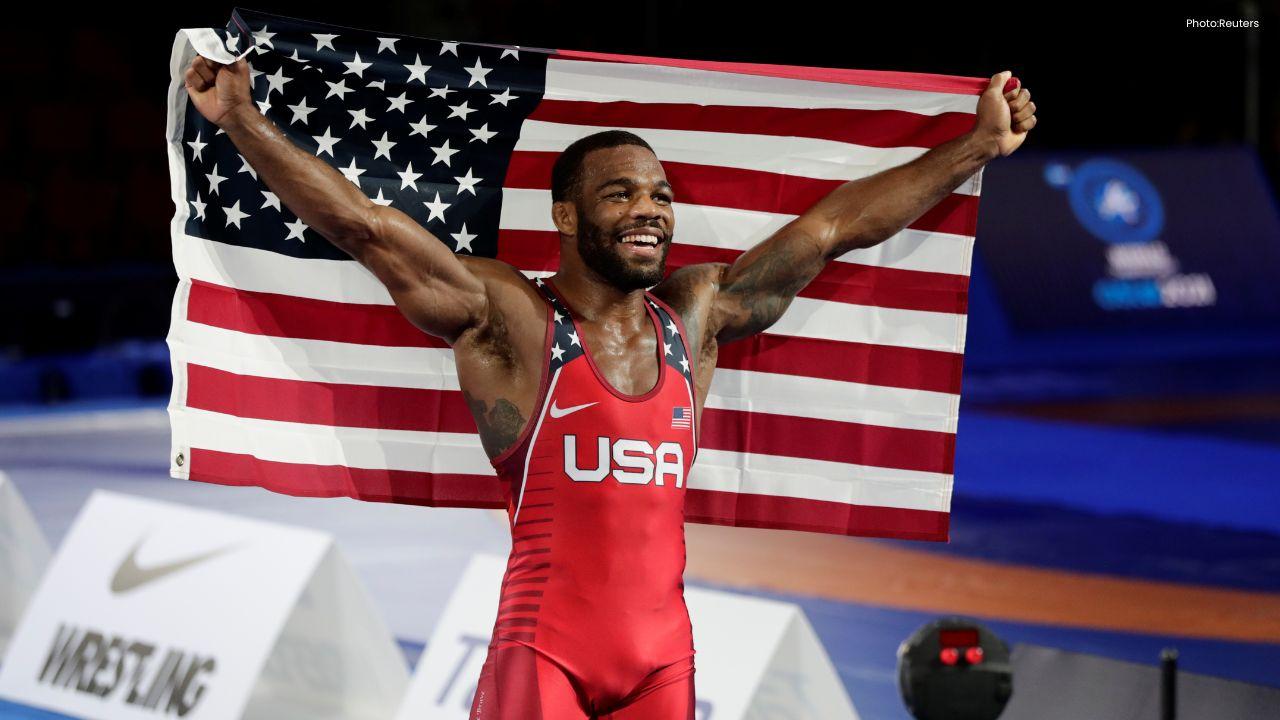
Jordan Burroughs Returns to Wrestling with 2028 Olympic Dream
Jordan Burroughs returns to wrestling with Real American Freestyle as the Olympic champion eyes a po
Lamborghini Catches Fire on Singapore's ECP, Causing Heavy Traffic
A Lamborghini caught fire on Singapore's ECP, causing heavy traffic and bus delays. No injuries were
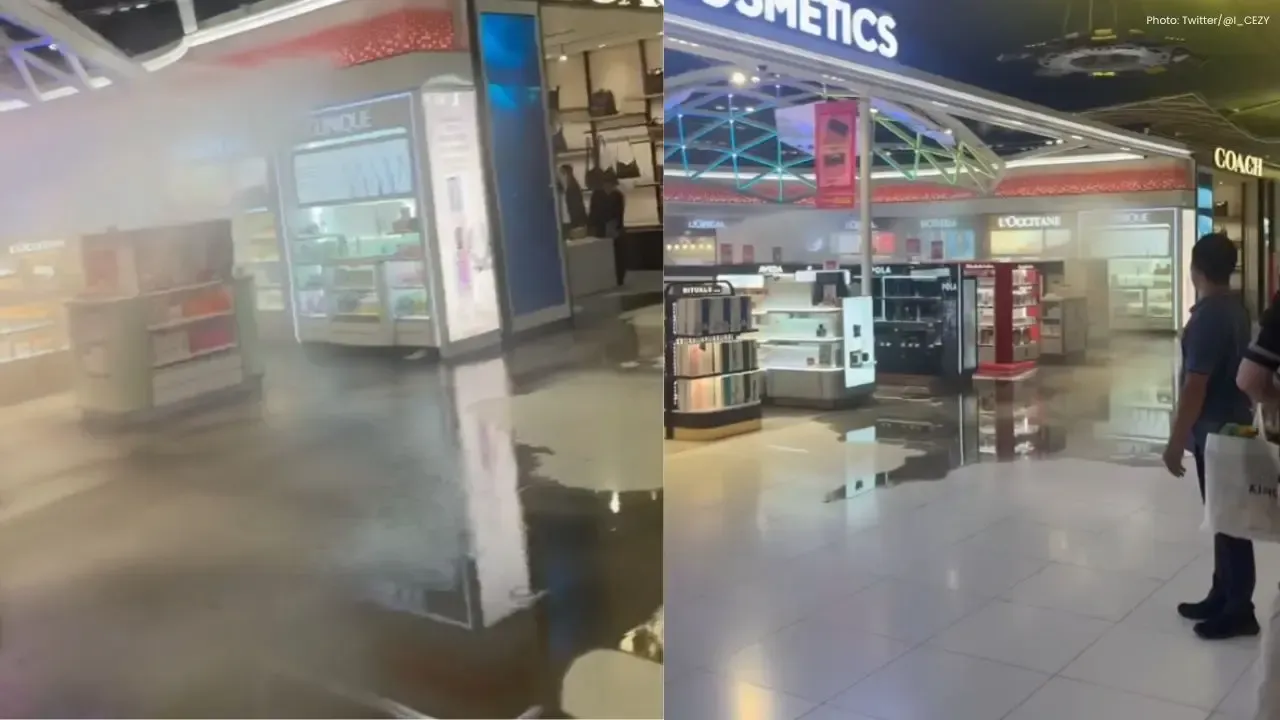
Bangkok Airport Duty-Free Area Flooded by Pipe Burst
A burst water pipe flooded the duty-free shopping area at Bangkok's Suvarnabhumi Airport on July 16,