
You have not yet added any article to your bookmarks!
Join 10k+ people to get notified about new posts, news and tips.
Do not worry we don't spam!
Post by : Rohit Dhiman
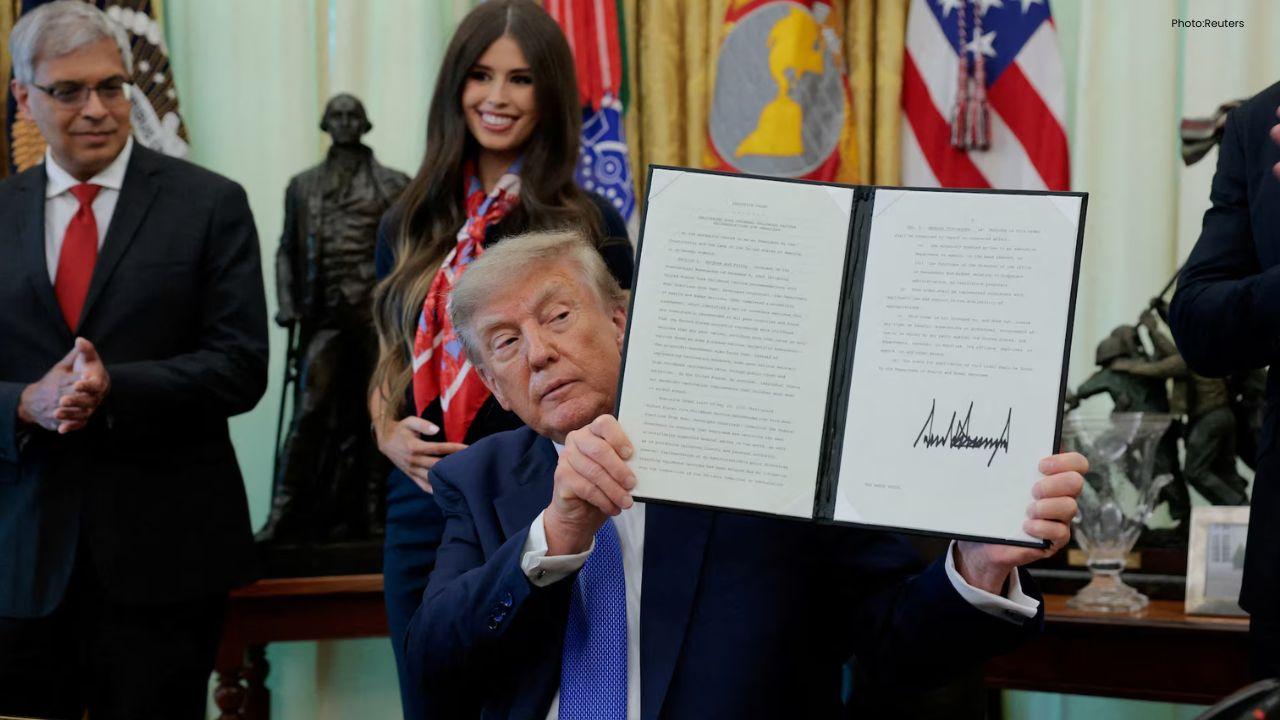
Doctors and public health experts in the United States have raised concerns over President Donald Trump’s decision to change recommendations for routine childhood vaccinations. The administration says the new approach will offer stronger protection for American children, but medical experts fear that reducing routine immunisation could leave more children exposed to preventable diseases. Trump signed an executive order on August 10 calling for changes to the federal recommendations for childhood vaccination. Under the new approach, routine immunisation recommendations would cover 11 diseases, compared with 18 previously. Health experts say the policy could also create practical and financial difficulties for families, doctors and healthcare providers.
One of the biggest concerns among doctors is the proposal to separate the combined measles, mumps and rubella vaccine into three individual shots. The MMR vaccine has been widely used as a combined vaccine since the 1970s. Doctors argue that splitting it could require families to make additional visits to healthcare facilities. More appointments could mean parents taking extra time away from work and children potentially missing scheduled vaccinations. Medical experts warn that delays in vaccination could increase the risk of outbreaks, particularly from highly contagious diseases such as measles. Measles can cause serious complications, including pneumonia and inflammation of the brain. Doctors therefore stress that timely vaccination remains an important part of child health protection.
The American Academy of Pediatrics has opposed the changes and continues to support routine vaccination against 18 diseases. Andrew Racine, president of the organisation, warned that reducing protection against preventable illnesses could result in some children becoming seriously sick, with the most severe cases potentially requiring intensive care. Doctors say vaccination programmes work most effectively when children receive recommended doses at the appropriate age and families can access them without unnecessary barriers.
Experts also point to possible difficulties for pharmaceutical companies. If individual vaccines that have not been widely used in the United States for decades are required again, manufacturers may need to restart or expand production. That could involve new manufacturing arrangements and additional costs, potentially making the transition more complicated for the healthcare system. The debate has also prompted some states and medical organisations to consider alternative sources of vaccine guidance, particularly because vaccination requirements for children attending schools are largely controlled by individual states.
Although the federal government can influence national recommendations, states retain significant authority over school vaccination requirements. This means the practical impact of the Trump administration's US vaccine policy could differ from one state to another. States will decide whether and how they respond to the federal recommendations. Health experts say this could create differences in vaccination requirements across the country and potentially cause confusion among parents.
The debate over American vaccination policy could also have consequences outside the United States. Public health experts warn that major changes in US childhood vaccines could send mixed messages internationally and potentially increase vaccine hesitancy. Experts say misinformation about vaccines could gain momentum if public health guidance appears divided. At the same time, the United States continues to play an important role in international vaccination programmes targeting diseases such as measles, polio, malaria and Ebola.
Read Also: Shein Targets $25 Billion Valuation in Hong Kong IPO
Doctors say maintaining strong childhood immunisation programmes is important not only for individual children but also for communities. High vaccination coverage can reduce the spread of infectious diseases and provide protection to people who are unable to receive certain vaccines. Experts therefore believe that any major change to vaccination recommendations should be carefully evaluated using scientific evidence, safety data and public health outcomes. The debate over Trump’s vaccination changes is expected to continue as federal agencies, states, medical organisations and healthcare providers assess how the new recommendations could affect American families.









PM Modi Pays Tribute to Mahatma Gandhi, Urges People to Support Khadi
PM Modi pays tribute to Mahatma Gandhi on Gandhi Jayanti and urges citizens to support Khadi and the

Amazon Seeks to Offload $8 Billion in Nvidia Chips to Investors
Amazon plans to move $8 billion in Nvidia chips to investors, using a new financing model to strengt

Samsung Raises Galaxy S26 Prices as Memory Chip Costs Rise
Samsung raises Galaxy S26 prices in South Korea as rising memory chip costs put pressure on smartpho

Lewis Hamilton Calls Singapore Grand Prix One of F1's Toughest Races
Lewis Hamilton discusses the demanding Singapore Grand Prix and brings Plus44 and Almave to Singapor

Denmark's Pandora Opens World's Largest Jewellery Factory in Vietnam
Pandora opens its largest jewellery factory in Vietnam, expanding global production, strengthening s

Gautam Gambhir Questions Batting-Friendly Pitches After India's Record ODI Chase
Gautam Gambhir questions batting-friendly ODI pitches after India’s record chase, calling for a bett

