
You have not yet added any article to your bookmarks!
Join 10k+ people to get notified about new posts, news and tips.
Do not worry we don't spam!
Post by : Shweta
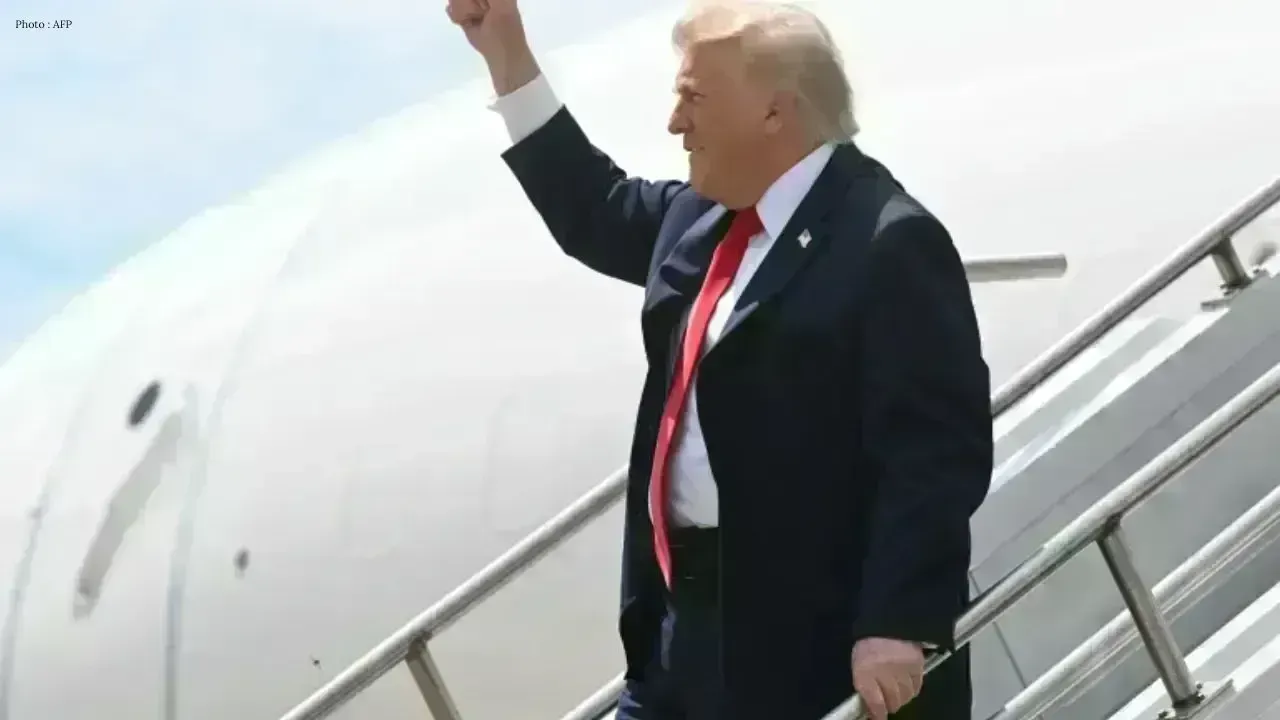
During a recent visit to Wisconsin, U.S. President Donald Trump aimed to reassure local farmers grappling with challenges posed by tariffs, escalating production costs, and uncertainty in international trade. He emphasized his commitment to bolstering the agricultural sector and supporting American farmers.
This visit arrives as producers face heightened costs for fuel, fertilizer, machinery, and other critical supplies. The impact of trade disputes and tariff regulations has further complicated the landscape for agricultural exports, raising alarm among farmers and trade organizations.
In a meeting with members of the agricultural community, Trump asserted that his administration’s trade and economic strategies are formulated to safeguard American farmers and enhance the agricultural industry's future. He underscored the necessity of domestic production and reaffirmed the government's dedication to improving conditions for farmers and rural populations.
Wisconsin holds a prominent position within U.S. agriculture, particularly in dairy farming and various other sectors. Therefore, the economic climate affecting farmers is of significant interest to lawmakers and industry stakeholders.
Across the nation, farmers have battled with fluctuating commodity prices and increasing operational expenses in recent years. The rising costs of essential inputs like feed, fertilizer, and machinery have intensified the strain on farm income, while shifts in international trade policy have altered access to vital export markets.
Trump’s engagement in Wisconsin highlights agriculture's critical role in the U.S. economy and the need for unwavering support for farmers facing economic hurdles. He assured attendees that the administration is attuned to the challenges within the sector and intends to sustain policies aimed at expanding opportunities for agricultural producers.
Administration supporters maintain that trade actions and tariffs are necessary to reinforce America’s standing in global markets, claiming that short-term disruptions could yield long-term advantages for domestic producers.
In contrast, some economists and agricultural organizations caution that tariff implementations and trade conflicts may introduce uncertainties for exporters and lead to increased costs. Access to international marketplaces remains a vital consideration for many agricultural enterprises that depend on overseas demand.
The agriculture sector significantly contributes to the economy in various U.S. regions, with many rural communities relying heavily on farming. Consequently, government actions impacting trade and agricultural production costs are of utmost importance. Experts contend that achieving stability and predictable market conditions is crucial for fostering investments and promoting growth.
Concerns about inflation and rising supply chain costs have been voiced by agricultural producers. Increasing expenses for transportation, energy, and farming equipment have hurt profitability, pushing numerous businesses to rethink their operations.
Trump’s message directed at Wisconsin farmers encapsulates ongoing discussions surrounding trade policies and their effects on rural economic conditions. While supporters argue his strategies are necessary to uphold American interests, detractors express that tariffs exacerbate financial strains on farmers and other enterprises.
As policymakers address the economic issues plaguing the agricultural sector, this topic is expected to remain prominent. Farm groups and industry representatives will likely continue to push for policies that ensure stability and bolster market access.
With many farmers gearing up for imminent planting and production seasons, the evolution of trade discussions and economic regulations in Washington will be closely scrutinized. These decisions hold the potential to significantly affect the future of agricultural businesses and rural communities across the country.
The discussions held in Wisconsin reaffirm agriculture’s enduring significance to the American economy and illuminate the challenges that producers confront amidst fluctuating trade policies and rising costs. Further developments pertaining to economic and trade strategies are anticipated to be closely monitored by farmers and industry stakeholders.
Stay connected for timely updates and insights into the evolving economic landscape.










PM Modi Pays Tribute to Mahatma Gandhi, Urges People to Support Khadi
PM Modi pays tribute to Mahatma Gandhi on Gandhi Jayanti and urges citizens to support Khadi and the

Amazon Seeks to Offload $8 Billion in Nvidia Chips to Investors
Amazon plans to move $8 billion in Nvidia chips to investors, using a new financing model to strengt

Samsung Raises Galaxy S26 Prices as Memory Chip Costs Rise
Samsung raises Galaxy S26 prices in South Korea as rising memory chip costs put pressure on smartpho

Lewis Hamilton Calls Singapore Grand Prix One of F1's Toughest Races
Lewis Hamilton discusses the demanding Singapore Grand Prix and brings Plus44 and Almave to Singapor

Denmark's Pandora Opens World's Largest Jewellery Factory in Vietnam
Pandora opens its largest jewellery factory in Vietnam, expanding global production, strengthening s

Gautam Gambhir Questions Batting-Friendly Pitches After India's Record ODI Chase
Gautam Gambhir questions batting-friendly ODI pitches after India’s record chase, calling for a bett

