
You have not yet added any article to your bookmarks!
Join 10k+ people to get notified about new posts, news and tips.
Do not worry we don't spam!
Post by : Samjeet Ariff
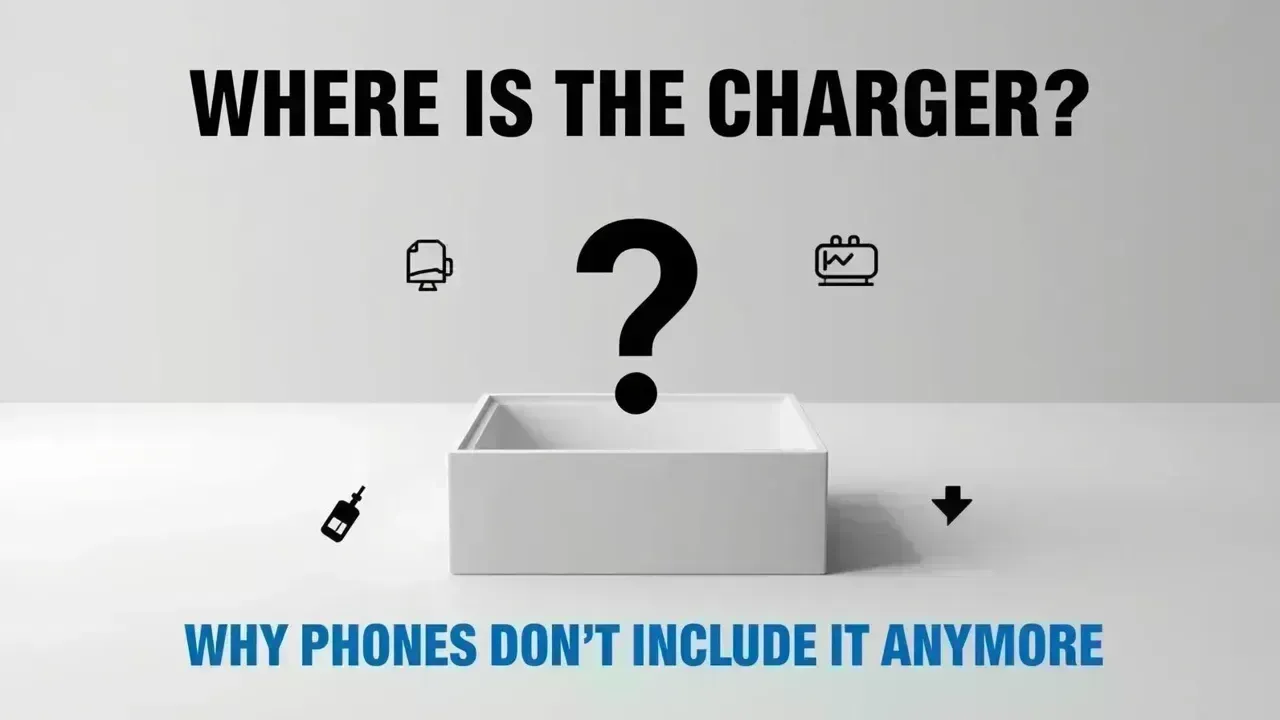
If you've recently purchased a smartphone, you might have noticed that the charger is no longer part of the package. This change has left many consumers perplexed.
This trend began with Apple eliminating chargers for the iPhone 12, and others like Samsung and Xiaomi soon followed suit. But what’s the real reason? Is it truly about environmental concerns, or is there more to it?
The underlying reasons encompass business strategies, eco-friendly claims, and shifts in consumer behavior.
Smartphone companies cite environmental accountability as a primary reason. Annually, millions of chargers are manufactured, shipped, and often left unused because numerous users already possess multiple chargers.
By excluding chargers:
Smaller packaging also permits shipping more units simultaneously, thereby lowering transport emissions. On its face, this appears to be a sustainable initiative.
While the environmental reasoning appears appealing, financial incentives heavily influence this decision.
Excluding chargers enables companies to:
Many users eventually purchase chargers separately, creating an additional profit avenue. In essence, corporations save on packaging while increasing accessory sales.
Modern smartphones incorporate fast charging technologies, which often require specific chargers for optimal functionality.
Older chargers may:
By not providing chargers, companies place the onus on users to select the appropriate one, allowing for premium fast chargers to be sold separately at higher prices.
Another justification for this approach is that a vast majority of consumers already own several chargers.
Consider this:
Thus, companies argue that including another charger in each box is redundant.
One subtle advantage is improved packaging efficiency.
Without chargers:
This efficiency assists companies in cutting logistics costs while enhancing supply chain effectiveness.
While firms promote this initiative as environmentally friendly, skepticism exists.
Critics argue that:
Though the principle purportedly minimizes waste, actual impacts depend on consumer actions.
The consumer experience has been mixed.
Some individuals find it acceptable:
Others, however, consider it inconvenient:
This transition has effectively shifted convenience from users to manufacturers.
Once one leading brand initiated this change, others quickly followed, and it's now a prevalent standard among flagship devices.
This movement mirrors a wider trend:
If you're purchasing a smartphone today, it's crucial to:
Being informed about this trend can help prevent unforeseen expenses.
The exclusion of chargers signifies a more extensive transformation in tech product selling.
Firms are gravitating towards:
This strategy may extend to other products in the future.
The absence of chargers in smartphone packages extends beyond merely saving space or being environmentally conscious; it signifies a blend of cost efficiency, technological advancements, and changing consumer patterns.
While it may seem inconvenient at first glance, it mirrors a broader shift in how companies approach design, packaging, and sales practices.
This article serves informational purposes and reflects general industry trends. Product availability may differ based on brand and locale.










PM Modi Pays Tribute to Mahatma Gandhi, Urges People to Support Khadi
PM Modi pays tribute to Mahatma Gandhi on Gandhi Jayanti and urges citizens to support Khadi and the

Amazon Seeks to Offload $8 Billion in Nvidia Chips to Investors
Amazon plans to move $8 billion in Nvidia chips to investors, using a new financing model to strengt

Samsung Raises Galaxy S26 Prices as Memory Chip Costs Rise
Samsung raises Galaxy S26 prices in South Korea as rising memory chip costs put pressure on smartpho

Lewis Hamilton Calls Singapore Grand Prix One of F1's Toughest Races
Lewis Hamilton discusses the demanding Singapore Grand Prix and brings Plus44 and Almave to Singapor

Denmark's Pandora Opens World's Largest Jewellery Factory in Vietnam
Pandora opens its largest jewellery factory in Vietnam, expanding global production, strengthening s

Gautam Gambhir Questions Batting-Friendly Pitches After India's Record ODI Chase
Gautam Gambhir questions batting-friendly ODI pitches after India’s record chase, calling for a bett

