
You have not yet added any article to your bookmarks!
Join 10k+ people to get notified about new posts, news and tips.
Do not worry we don't spam!
Post by : Badri Ariffin
In a landmark decision, the United Arab Emirates (UAE) has announced its departure from the Organisation of the Petroleum Exporting Countries (OPEC) after nearly sixty years of affiliation. This significant shift is anticipated to alter the landscape of global oil politics and affect regional dynamics.
Reports indicate that the UAE's exit stems from escalating tensions with Saudi Arabia, OPEC's predominant player. Unhappiness over imposed production quotas has catalyzed the UAE's ambitions to ramp up its oil output and enhance revenue generation.
Crescendo of Gulf Tensions
There have been mounting differences between Abu Dhabi and Saudi Arabia over time. Although both nations have common strategic interests, disputes regarding oil output and exerting influence in the region have intensified pressures within their partnership.
The regional conflict involving Iran has further complicated the situation. Gulf countries have grappled with security threats following attacks in the vicinity, reshaping political alignments and diverging their diplomatic strategies.
Strain in UAE-Pakistan Relations
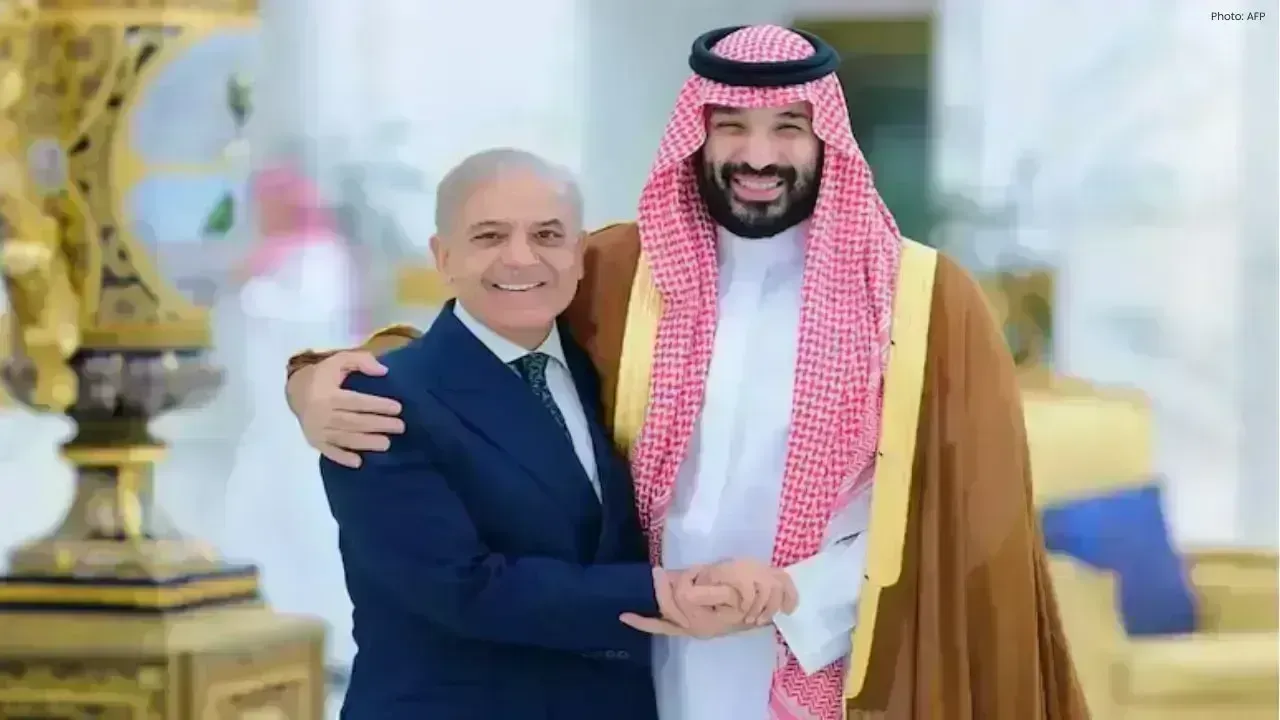
Additionally, the UAE has voiced concerns regarding Pakistan's position in the region. Speculations suggest Abu Dhabi was displeased with Islamabad's neutral approach in mediating US-Iran tensions. The UAE has also critiqued Pakistan's response to regional security issues.
In a notable financial maneuver, the UAE withdrew approximately $3.5 billion from Pakistan, interpreted as a warning sign of diminishing trust and growing discord between the two nations.
Repercussions for OPEC and Global Oil Markets
Known as one of OPEC's leading oil producers, the UAE's withdrawal could potentially hinder the organization's ability to manage global oil supply and pricing, particularly if other member states choose varying production strategies.
Plans indicate that the UAE aims to substantially boost its oil production in the next few years, targeting up to 5 million barrels per day by 2027, which would diverge from the established OPEC quotas.
Global Economic Ramifications
Market analysts predict that the UAE's move could enhance flexibility in global oil supply and may soften crude prices in the medium term. This development could provide relief to major oil-importing nations like India by curbing import expenses and alleviating inflationary pressures.
Simultaneously, this decision consolidates the UAE's status as an independent oil power, capable of shaping energy markets beyond the OPEC framework.
Shift in Strategic Alliances
Industry experts argue that this exit signifies a larger strategic reorientation for the UAE. The country is aspiring to forge stronger ties with global partners, notably the United States, while concurrently reclaiming authority over its energy policy.
This development stands as one of the most pivotal transformations in the structure of the global oil market in decades, potentially redefining power relations in the Middle Eastern energy landscape.










PM Modi Pays Tribute to Mahatma Gandhi, Urges People to Support Khadi
PM Modi pays tribute to Mahatma Gandhi on Gandhi Jayanti and urges citizens to support Khadi and the

Amazon Seeks to Offload $8 Billion in Nvidia Chips to Investors
Amazon plans to move $8 billion in Nvidia chips to investors, using a new financing model to strengt

Samsung Raises Galaxy S26 Prices as Memory Chip Costs Rise
Samsung raises Galaxy S26 prices in South Korea as rising memory chip costs put pressure on smartpho

Lewis Hamilton Calls Singapore Grand Prix One of F1's Toughest Races
Lewis Hamilton discusses the demanding Singapore Grand Prix and brings Plus44 and Almave to Singapor

Denmark's Pandora Opens World's Largest Jewellery Factory in Vietnam
Pandora opens its largest jewellery factory in Vietnam, expanding global production, strengthening s

Gautam Gambhir Questions Batting-Friendly Pitches After India's Record ODI Chase
Gautam Gambhir questions batting-friendly ODI pitches after India’s record chase, calling for a bett

