
You have not yet added any article to your bookmarks!
Join 10k+ people to get notified about new posts, news and tips.
Do not worry we don't spam!
Post by : Shakul
The government of Vietnam has introduced new regulations for the organization and operation of pre-university schools. The policy was issued by the Ministry of Education and Training through Circular 36/2026/TT-BGDĐT, aiming to improve educational quality for students from ethnic minority and remote areas.
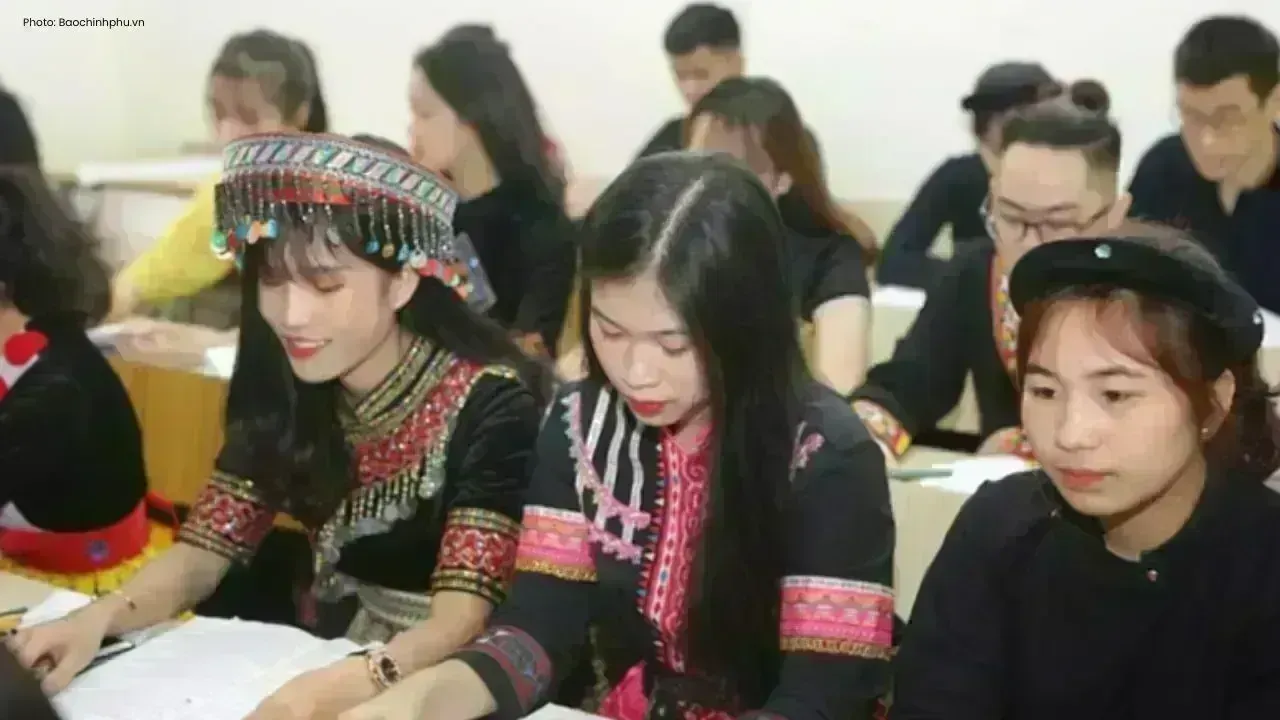
Pre-university schools are designed as specialized institutions that support students from disadvantaged backgrounds. Their main goal is to help prepare these students for higher education while also preserving their cultural identity and traditions.
According to the new rules, these schools will operate under the direct management of state authorities and will also be supervised by provincial administrations. This dual system ensures both national standards and local adaptability in education management.
The circular clearly defines the duties and powers of these schools. They are responsible for developing academic plans, organizing student admissions, and conducting teaching, testing, and evaluation in line with national education standards.
In addition to academic responsibilities, schools are required to care for students’ overall well-being. This includes managing accommodation, meals, and daily life, especially since many of these institutions provide boarding facilities for students.
The organizational structure of pre-university schools includes principals, vice-principals, functional departments, teaching teams, and advisory councils. Political and youth organizations are also part of the system, ensuring a comprehensive educational environment.
Educational activities go beyond classroom learning. Schools must include programs related to ethnic culture, career guidance, and practical experiences. These activities are designed to strengthen students’ skills and maintain their cultural heritage.
The government also emphasized the use of digital technology and innovation in education. Schools are encouraged to apply information technology to improve teaching methods, administration, and overall efficiency.
Officials believe that these new regulations will strengthen the education system and create better opportunities for students in remote and ethnic communities. The initiative reflects a broader effort to reduce inequality and promote inclusive development.
#Asia News #Global #China #Policy #Vietnam #Education News #policy statement










PM Modi Pays Tribute to Mahatma Gandhi, Urges People to Support Khadi
PM Modi pays tribute to Mahatma Gandhi on Gandhi Jayanti and urges citizens to support Khadi and the

Amazon Seeks to Offload $8 Billion in Nvidia Chips to Investors
Amazon plans to move $8 billion in Nvidia chips to investors, using a new financing model to strengt

Samsung Raises Galaxy S26 Prices as Memory Chip Costs Rise
Samsung raises Galaxy S26 prices in South Korea as rising memory chip costs put pressure on smartpho

Lewis Hamilton Calls Singapore Grand Prix One of F1's Toughest Races
Lewis Hamilton discusses the demanding Singapore Grand Prix and brings Plus44 and Almave to Singapor

Denmark's Pandora Opens World's Largest Jewellery Factory in Vietnam
Pandora opens its largest jewellery factory in Vietnam, expanding global production, strengthening s

Gautam Gambhir Questions Batting-Friendly Pitches After India's Record ODI Chase
Gautam Gambhir questions batting-friendly ODI pitches after India’s record chase, calling for a bett

