
You have not yet added any article to your bookmarks!
Join 10k+ people to get notified about new posts, news and tips.
Do not worry we don't spam!
Post by : Saif Rahman
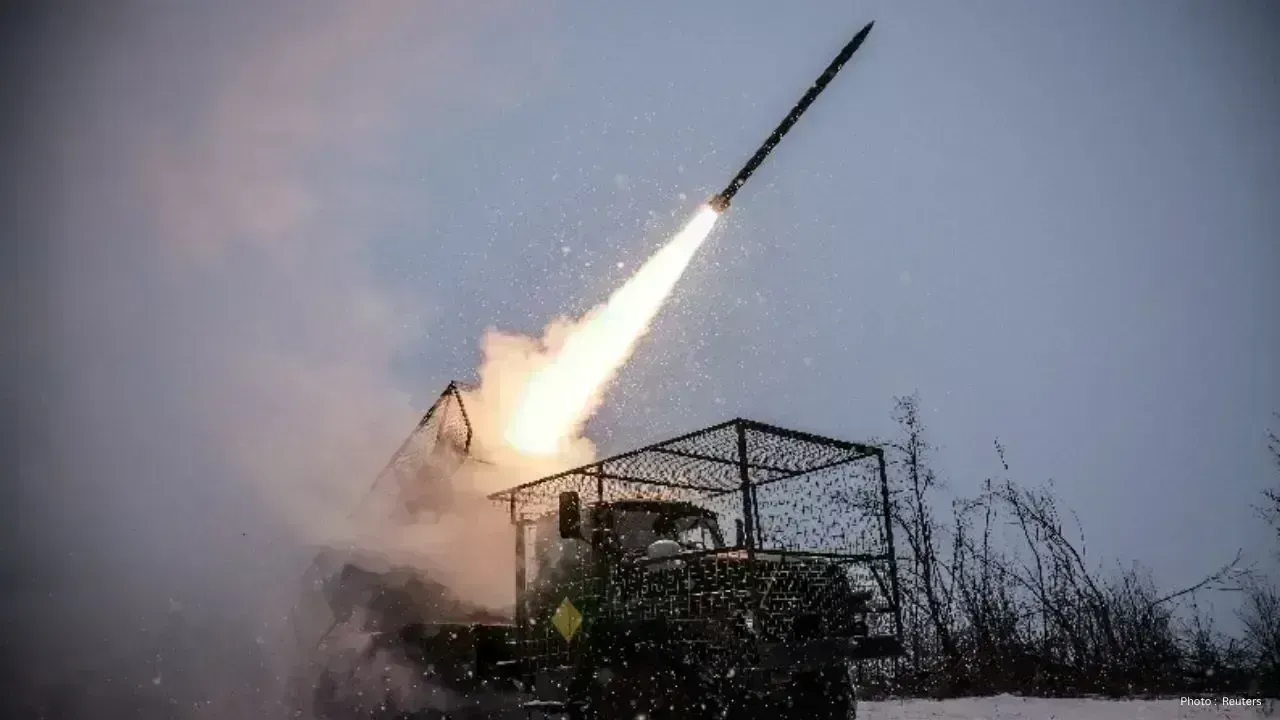
Ukraine’s escalating use of mid-range weaponry is intensifying the pressure on Russia’s military operations and economic landscape. Recent strategic shifts reflect how advanced technology and remote strikes are altering the ongoing confrontation between the two nations.
Reports indicate that Ukraine is enhancing its capability to strike deeper within Russian-controlled territories through the use of drones, missiles, and state-of-the-art attack systems. Military analysts suggest that this approach aims to disrupt Russia’s supply chains, fuel reserves, military installations, and industrial facilities crucial to their war efforts.
The significance of these strikes lies in the logistics and infrastructure that underpin modern warfare. Armies rely heavily on fuel, armaments, transport, communication networks, and industrial output to sustain operations. By targeting these vital areas, Ukraine intends to diminish Russia’s military efficacy and impede its offensive capabilities.
In recent months, reports have surfaced about targeted assaults on oil refineries, munitions depots, railway infrastructure, and military airbases linked to Russian operations. Such actions not only impact military engagements but also place economic pressures on Russia by damaging pivotal industries and inflating repair expenses.
Ukraine’s tactical approach underscores the evolving nature of warfare. Smaller, cost-effective drones are now capable of traversing vast distances, reaching strategic targets previously thought to be out of reach. This technological advancement allows nations to extend their military capabilities beyond traditional large-scale air operations.
Russia faces both military and political hurdles as a result of these attacks. Increased assaults within Russian borders or near critical infrastructure may heighten public anxiety and compel government resources to shift toward enhanced defense mechanisms and security protocols.
The ongoing conflict has exerted considerable economic stress on both nations. Russia grapples with international sanctions, while Ukraine relies significantly on military and financial backing from Western allies. As the war persists, both sides aim to undermine each other’s economic vitality alongside military strength.
Western allies have continued their support for Ukraine, providing weaponry, intelligence, training, and advancements in defense technology. However, there is growing concern among international leaders that further incursions into Russian territory could escalate tensions and provoke broader regional instability.
As the war between Russia and Ukraine evolves into a more challenging phase, the integration of technology, drones, cyber warfare, and long-range strikes is becoming increasingly pivotal. Experts predict that future global conflicts may also reflect similar trends.
Amidst these developments, it is innocent civilians who bear the greatest burden of the protracted conflict. The toll has been devastating: countless lives have been lost, cities have incurred significant damage, and millions have faced displacement since the war's inception. Destruction of infrastructure has impacted energy grids, transport systems, healthcare, and everyday life in various regions.
Moreover, the global ramifications of the war are significant. Fluctuations in energy prices, food availability, trade routes, and international security dynamics are influencing economies far beyond Europe.
Ukraine’s expanding mid-range strike capabilities demonstrate how both combatants are continuously evolving their military strategies. While these tactics may elevate pressure on Russia, they also underscore the unsettling reality that the conflict is far from resolved.
As combat continues, the global community remains hopeful that diplomatic initiatives and negotiations can eventually restore stability and peace in the region, averting even broader global repercussions.










PM Modi Pays Tribute to Mahatma Gandhi, Urges People to Support Khadi
PM Modi pays tribute to Mahatma Gandhi on Gandhi Jayanti and urges citizens to support Khadi and the

Amazon Seeks to Offload $8 Billion in Nvidia Chips to Investors
Amazon plans to move $8 billion in Nvidia chips to investors, using a new financing model to strengt

Samsung Raises Galaxy S26 Prices as Memory Chip Costs Rise
Samsung raises Galaxy S26 prices in South Korea as rising memory chip costs put pressure on smartpho

Lewis Hamilton Calls Singapore Grand Prix One of F1's Toughest Races
Lewis Hamilton discusses the demanding Singapore Grand Prix and brings Plus44 and Almave to Singapor

Denmark's Pandora Opens World's Largest Jewellery Factory in Vietnam
Pandora opens its largest jewellery factory in Vietnam, expanding global production, strengthening s

Gautam Gambhir Questions Batting-Friendly Pitches After India's Record ODI Chase
Gautam Gambhir questions batting-friendly ODI pitches after India’s record chase, calling for a bett

