
You have not yet added any article to your bookmarks!
Join 10k+ people to get notified about new posts, news and tips.
Do not worry we don't spam!
Post by : Shweta
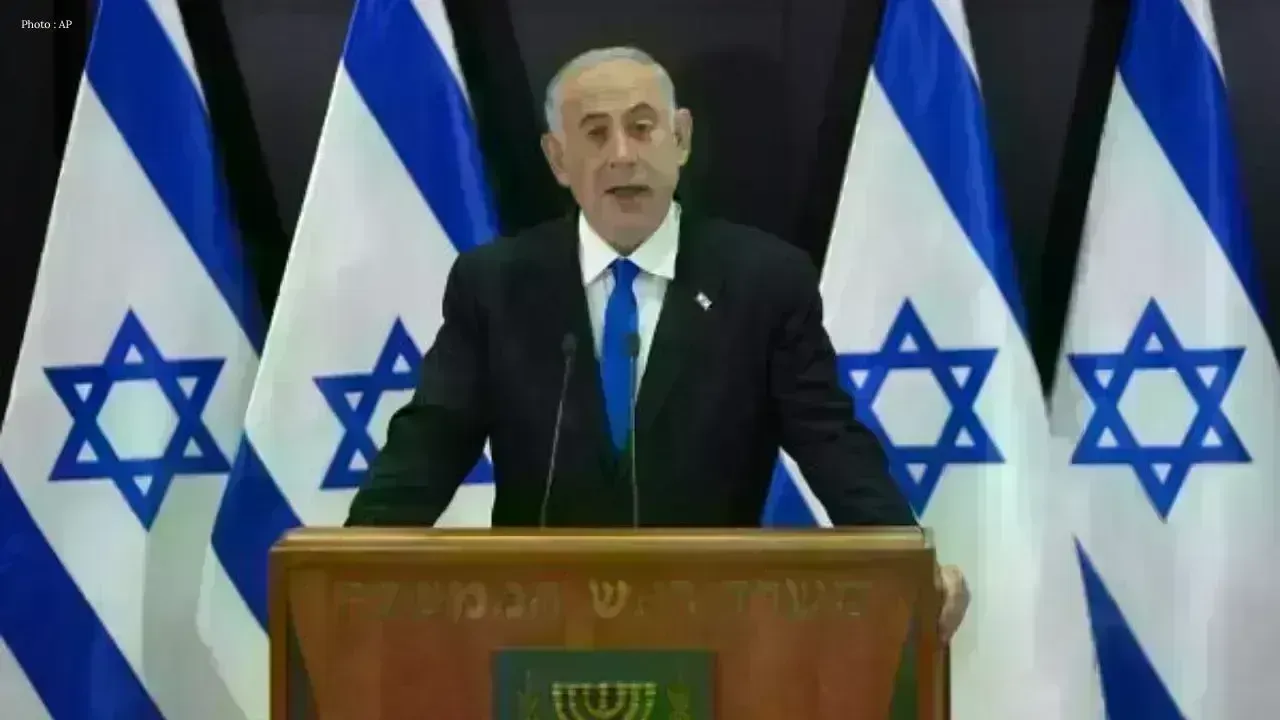
A group of United Nations envoys has implored U.S. President Donald Trump to act against the potential annexation of Palestinian territories by Israel, cautioning that such actions could further destabilize the Middle East and jeopardize longstanding efforts aimed at achieving a peaceful resolution to the Israeli-Palestinian conflict.
This appeal arises amid a renewed international dialogue concerning the fate of disputed areas and mounting apprehensions regarding the impact of unilateral decisions on regional stability. The representatives urged the United States to leverage its diplomatic power to dissuade any actions that might change the status of territories claimed by Palestinians.
The envoys expressed that annexation could breach international law and complicate future peace negotiations significantly. They contended that altering territorial boundaries without a mutually negotiated agreement between Israelis and Palestinians would hinder the pathway to a lasting political resolution.
The United Nations has steadfastly championed a negotiated two-state solution as the optimal approach for resolving the ongoing conflict. This framework envisions Israel and an eventual Palestinian state coexisting peacefully along mutually agreed-upon borders and security protocols. UN representatives have emphasized the need for direct negotiations to settle any final status matters.
This most recent request highlights the growing concerns within the international sphere relating to the peace process’s future. Multiple diplomatic attempts to resolve the conflict have encountered persistent obstacles, prompting many analysts to argue that actions impacting disputed territories could diminish the possibilities for substantive dialogue.
Historically, the United States has played a pivotal role in Middle Eastern diplomacy, frequently serving as a key mediator in discussions involving Israel and Palestinians. With its close ties to Israel, UN officials believe Washington possesses substantial leverage over forthcoming developments regarding territorial affairs.
Israeli authorities have previously posited that considerations surrounding security, historical connections, and national interests must be taken into account while deliberating the future status of contentious areas. Conversely, Palestinian leaders maintain that annexation would violate their rights and greatly diminish the prospects for establishing an independent Palestinian state.
This intricate issue remains one of the most delicate in international diplomacy. Questions surrounding borders, settlements, security arrangements, refugee rights, and the status of Jerusalem have been central to discussions for decades. Despite numerous negotiating rounds and global mediation endeavors, a comprehensive peace agreement remains elusive.
Regional governments and international bodies are closely monitoring developments. Several nations have voiced support for the existing legal and diplomatic protocols while encouraging both parties to return to the negotiating table. Many diplomats contend that dialogue represents the most effective means to alleviating tensions and avoiding further conflict.
Analysts caution that any significant alterations to the status of disputed territories could extend consequences beyond Israel and Palestine. Such changes may reshape broader regional relationships, influence diplomatic connections among countries, and dictate future international participation in Middle Eastern affairs.
The appeal directed at President Trump underscores ongoing worries about sustaining the possibility of a negotiated compromise. UN officials reaffirm that contemporary actions could dramatically steer the course of future peace initiatives and the overall stability in the region.
While no immediate policy updates have been revealed, the statement from UN envoys highlights the continuous global focus on the Israeli-Palestinian issue. Diplomatic conversations are likely to carry on as nations and international organizations aim to preempt further tensions and foster productive discussions between the involved parties.
As discussions regarding annexation and territorial conditions proceed, all eyes remain on the responses from significant international stakeholders, including the United States. The upcoming months may prove critical in determining whether renewed diplomatic efforts can help maintain prospects for a peaceful and negotiated settlement to one of the world’s most enduring conflicts.
Stay connected with us for the latest updates and in-depth analyses.
#world news #Donald Trump #US News #GlobalNews #Politics News









PM Modi Pays Tribute to Mahatma Gandhi, Urges People to Support Khadi
PM Modi pays tribute to Mahatma Gandhi on Gandhi Jayanti and urges citizens to support Khadi and the

Amazon Seeks to Offload $8 Billion in Nvidia Chips to Investors
Amazon plans to move $8 billion in Nvidia chips to investors, using a new financing model to strengt

Samsung Raises Galaxy S26 Prices as Memory Chip Costs Rise
Samsung raises Galaxy S26 prices in South Korea as rising memory chip costs put pressure on smartpho

Lewis Hamilton Calls Singapore Grand Prix One of F1's Toughest Races
Lewis Hamilton discusses the demanding Singapore Grand Prix and brings Plus44 and Almave to Singapor

Denmark's Pandora Opens World's Largest Jewellery Factory in Vietnam
Pandora opens its largest jewellery factory in Vietnam, expanding global production, strengthening s

Gautam Gambhir Questions Batting-Friendly Pitches After India's Record ODI Chase
Gautam Gambhir questions batting-friendly ODI pitches after India’s record chase, calling for a bett

