You have not yet added any article to your bookmarks!
Join 10k+ people to get notified about new posts, news and tips.
Do not worry we don't spam!
Post by : Rohit Dhiman
The United Nations has acknowledged that the world is moving towards a major environmental threshold that scientists have warned about for years. A new assessment says the planet is expected to cross the temperature level that countries once hoped to keep from being exceeded. The report does not suggest that efforts to protect the planet should stop. Instead, it says governments must prepare for a warmer world while making every possible effort to reduce how far temperatures rise and how long they remain at dangerous levels.m The assessment marks a significant change in the international discussion around temperature targets. For years, governments and policymakers concentrated on preventing the threshold from being crossed. Now, the focus is increasingly shifting towards limiting the duration and severity of the expected rise. Scientists have repeatedly warned that every additional increase in average temperatures can make extreme weather more frequent and intensify pressure on ecosystems, oceans, glaciers and communities.
The United Nations Environment Programme has presented the issue as a new phase in the global response to rising temperatures. The 1.5°C target was established as a key ambition under the Paris climate framework. Nearly 200 countries agreed in 2015 to make efforts to keep the increase in the planet's average temperature well below dangerous levels, while pursuing efforts to limit warming to 1.5°C above pre-industrial conditions. However, the latest assessment indicates that crossing this level is becoming increasingly difficult to avoid. Rather than treating the breach as the end of the climate target, the UN says governments should concentrate on returning temperatures towards the target as quickly as possible. This period of temperatures remaining above the threshold is commonly described as an overshoot.
A 1.5°C overshoot refers to a period in which average global temperatures rise above the 1.5°C level before potentially declining again. According to the assessment, the objective should be to keep this period as short and limited as possible. The longer the planet remains significantly above the threshold, the greater the risks become. Scientists are particularly concerned about the possibility of severe and potentially irreversible changes affecting natural systems. Potential consequences include more intense heatwaves, heavier rainfall in some regions, drought in others, rising sea levels, melting ice sheets and increasing pressure on marine ecosystems.
The discussion surrounding Climate Change has become increasingly urgent as temperatures continue to rise around the world. The planet has already experienced approximately 1.4°C of warming compared with the historical period used as the pre-industrial reference. Recent years have also produced repeated temperature records, highlighting how quickly conditions are changing.
Communities around the world are facing increasing risks from heat, floods, wildfires, droughts and other extreme weather events. Coastal populations are particularly vulnerable because rising seas can threaten homes, infrastructure and freshwater supplies. Small island nations have been among the strongest voices calling for the 1.5°C objective to remain at the centre of international climate policy.
Scientists consider Global Warming beyond 1.5°C particularly dangerous because higher temperatures can increase the likelihood of crossing ecological and climatic tipping points. These could include serious changes to ice sheets, coral reefs and other sensitive ecosystems. The concern is not simply about one particular temperature reading. Climate impacts accumulate over time, and prolonged warming can increase damage to natural systems and human societies. Even if temperatures eventually decline, some consequences may not be completely reversible. This is why climate experts continue to emphasize immediate reductions in emissions rather than relying entirely on future technologies.
Despite the warning, the UN has stressed that crossing 1.5°C does not mean that climate efforts have become pointless. UN officials argue that reducing emissions as quickly as possible can still limit the scale of future warming. The difference between a temporary and relatively small overshoot and a prolonged period of substantially higher temperatures could be significant. That means decisions taken by governments, industries and communities during the coming years could influence the severity of future climate impacts. The message is therefore not to abandon the 1.5°C ambition, but to approach it from a different position.
The report identifies Carbon Removal as an important component of any strategy aimed at eventually bringing temperatures back down. Carbon removal involves taking carbon dioxide out of the atmosphere and storing it through natural or technological methods. However, the technology currently contributes only a small share of the world's overall response to rising temperatures. Supporters argue that it could become increasingly important if temperatures temporarily move beyond the target. Climate campaigners, however, remain cautious. Many argue that carbon removal should not be used as an excuse to postpone immediate reductions in coal, oil and gas consumption. They say reducing emissions at their source must remain the central priority.
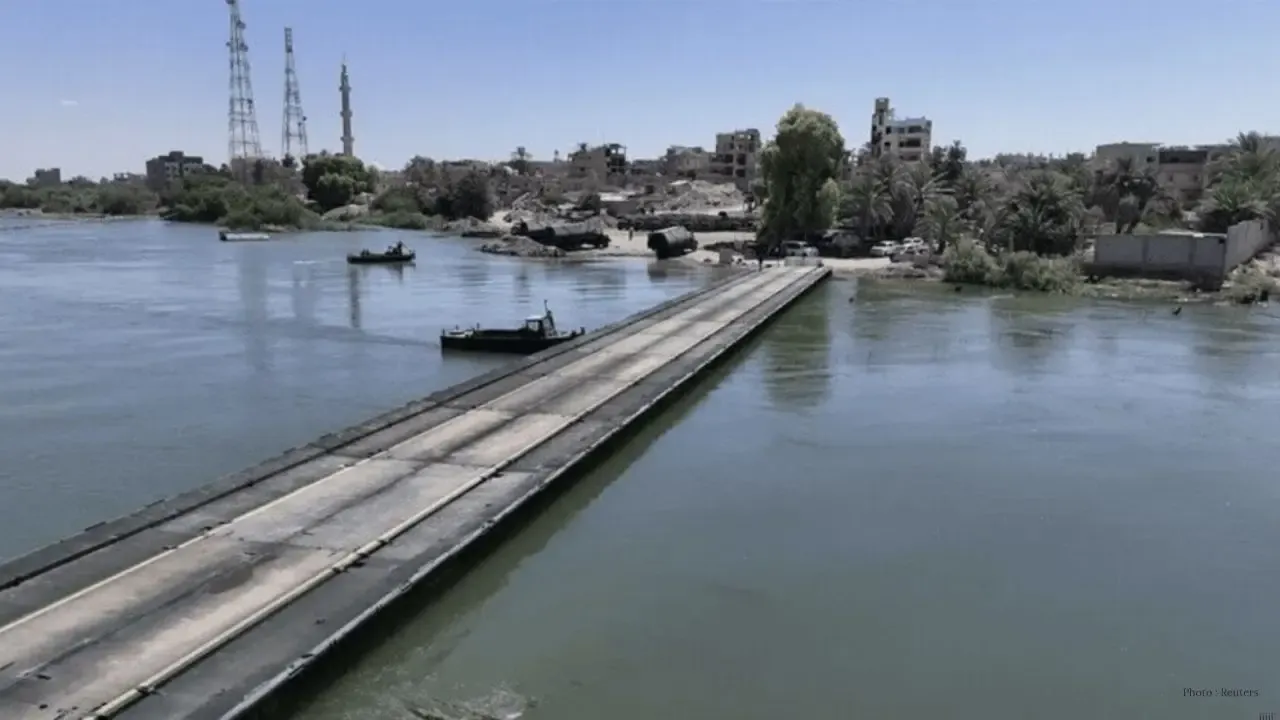
Read Also: Türkiye and Syria Unveil New Floating Bridge Over Euphrates
Climate Action is expected to remain the most important tool for reducing future warming. That includes cutting greenhouse gas emissions, increasing clean energy production, improving energy efficiency, protecting forests and accelerating the transition away from fossil fuels. The UN assessment makes clear that future technologies cannot replace immediate action. The faster emissions decline, the easier it becomes to reduce the extent of the expected overshoot. Governments are therefore under pressure to strengthen national climate policies and accelerate investments in cleaner energy systems.
The report has also generated criticism from climate campaigners. Some activists fear that acknowledging the likelihood of an overshoot could create a sense that the 1.5°C objective has already been lost. They argue that governments must not interpret the new assessment as permission to slow down efforts to reduce emissions. Greenpeace and other environmental organisations have emphasized that an overshoot should not become an excuse for political inaction. Climate policy experts have similarly warned that discussions about future carbon-removal technologies could distract from the urgent need to reduce fossil-fuel emissions today.
Small island countries have a particularly strong interest in maintaining the 1.5°C goal. For many island communities, rising sea levels represent a direct threat to homes, infrastructure, agriculture and freshwater resources. Even relatively small additional increases in global temperatures can increase long-term risks for vulnerable coastal regions. These countries have repeatedly called on wealthy and high-emitting nations to reduce emissions more rapidly and provide stronger support to communities already experiencing severe climate impacts.
The consequences of rising temperatures will not be distributed equally across the world. Some regions are expected to experience more severe heat, while others could face increased rainfall, flooding or prolonged drought. Coastal areas face growing risks from sea-level rise, while agricultural regions may experience changes in rainfall patterns and growing seasons. Developing countries with fewer resources to prepare for extreme events could face particularly serious challenges. The geographical impact of warming therefore remains a major concern for international policymakers.
The UN assessment says the world is expected to exceed the 1.5°C level in the coming years.
A climate overshoot is a period when global temperatures temporarily rise above a defined temperature target before potentially declining later.
UN officials say it may still be possible to bring warming back below 1.5°C later this century, but this would require deep emissions reductions and significant carbon removal.
The threshold is considered important because warming beyond it increases the risks of extreme weather, ecosystem damage, sea-level rise and potential climate tipping points.
Countries can accelerate renewable energy, reduce fossil-fuel use, cut greenhouse gas emissions, protect forests and invest in cleaner technologies.
No. The UN continues to regard 1.5°C as an important goal, but the strategy is increasingly focused on limiting and eventually reversing any period of overshoot.
The UN's assessment represents a significant shift in how policymakers may need to think about the global temperature target. The possibility of crossing 1.5°C does not remove the need for immediate action. Instead, it increases the importance of reducing emissions quickly enough to prevent a temporary overshoot from becoming a prolonged period of higher warming. The coming years will be crucial. Decisions involving energy, transport, industry, land use and investment will influence how far temperatures rise and how long they remain elevated.





Markets Slide as Middle East Tensions Push Oil and Yields Higher
Asian stocks fall as Middle East tensions lift oil prices and bond yields, raising inflation fears a

Swiatek Builds Confidence as Medvedev Fights to Rediscover His Form
Iga Swiatek enters the US Open with renewed confidence, while Daniil Medvedev aims to regain consist
Dollar Strengthens on Rate Hike Bets as Yen Falls Past 160
Dollar gains as rate hike expectations rise, while the yen falls past 160. Gulf tensions, oil prices

North Korea-US Summit Possible Anytime, Seoul Spy Agency Says
North Korea-US Summit may happen anytime as Seoul cites signs of dialogue between Trump and Kim Jong
Nepal Buries Flood Victims as Search Continues for Thousands Missing
Nepal Flood Disaster leaves 919 dead and 4,793 missing. Rescue teams search tunnels while DNA testin

Pokemon World Championships 2027 to be Hosted in Singapore in August
Pokemon World Championships 2027 will be held in Singapore from Aug 13-15, featuring Pokemon Go, VGC