
You have not yet added any article to your bookmarks!
Join 10k+ people to get notified about new posts, news and tips.
Do not worry we don't spam!
Post by : Samjeet Ariff
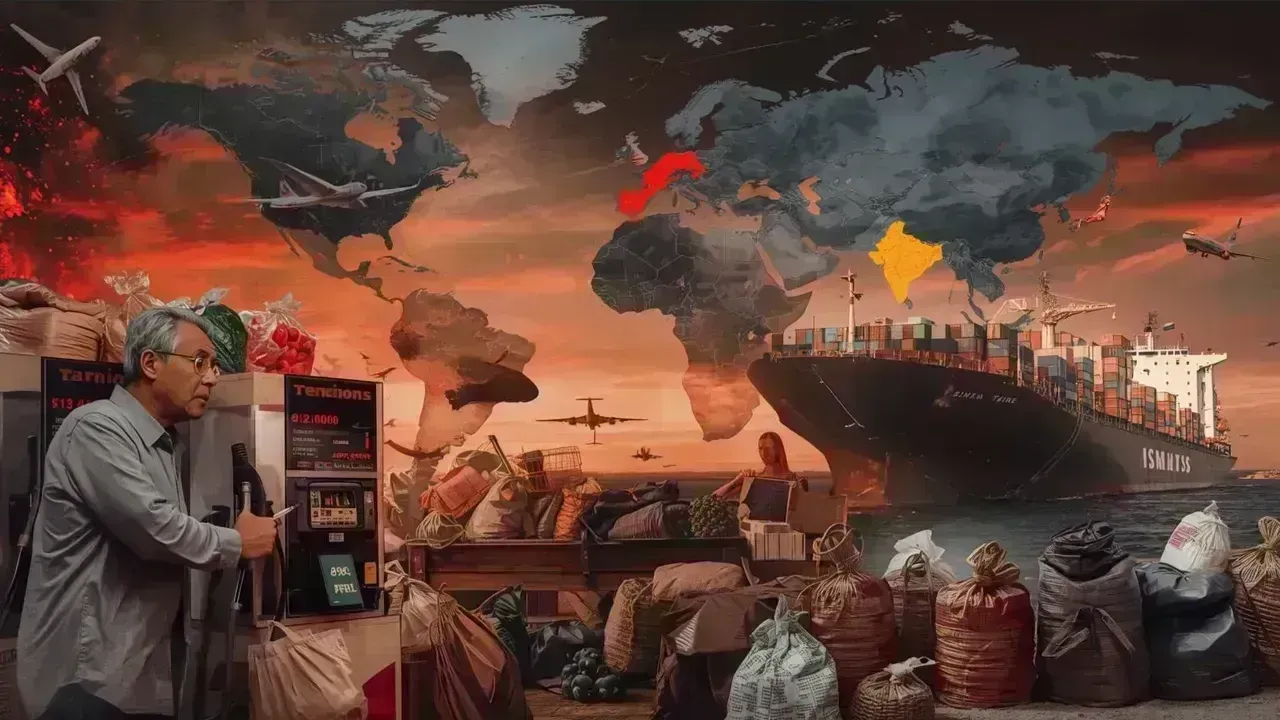
War-related tensions today go beyond the battlefield, affecting civilians worldwide. Conflicts occurring thousands of miles away can lead to rising fuel prices, hiking travel costs, and increasing grocery bills, influencing daily life far beyond the immediate vicinity of the wars.
In recent years, escalating geopolitical issues in critical areas such as the Middle East and Eastern Europe have resulted in market instability. Typically, uncertainty correlates with climbing prices.
The core reason lies in the interconnectedness of global supply chains. Essential commodities such as oil, gas, food items, and consumer goods travel internationally through a network of shipping and transportation routes. Military tensions can disrupt these channels, creating ripple effects throughout the global economy.
Consequently, these global tensions extend their influence into realms like fuel prices, inflation rates, travel expenditures, and everyday necessities.
The impact of war tensions on fuel prices is both rapid and clear.
Instability in regions critical to energy production, such as the Middle East, immediately affects oil markets. Concerns over potential supply disruptions, particularly around significant trade routes like the Strait of Hormuz, cause investors and governments to become apprehensive.
Even anticipation of disruption can send oil prices soaring.
As crude oil prices rise:
The repercussions spread to nearly all sectors, as transportation links to nearly all consumer goods.
Nations that depend on imported oil feel the pinch the hardest as increases in global prices mean higher energy import costs.
The connection between war and rising food prices may surprise many, yet it is significant.
Modern agricultural systems rely deeply on transportation, fuel, fertilizers, and global trade. Fuel-driven machinery is necessary for farming, while food products often require refrigerated transport, and fertilizers can be tied to natural gas availability.
As fuel prices soar, the expenses associated with growing, transporting, and storing food also climb.
Additionally, conflict zones can directly impact agricultural exports. Disruptions or conflicts in major grain regions can lead to tightened food supplies, thus elevating prices for staples like wheat and cooking oil.
As a result, inflation tends to spike during geopolitical crises, forcing families to pay more not only for energy but also for essential groceries.
This situation places significant strain on low-income households, so much so that food and transport often account for the bulk of their monthly budgets.
Travel is yet another sector that feels the weight of escalating war tensions.
As jet fuel prices climb with oil costs, airlines find their operational expenditures increasing, which generally translates to:
Some flights may also become longer or pricier as airlines opt to skirt conflict zones for safety.
The same issues affect global freight carriers. Cargo vessels traversing sensitive waters may encounter delays or need to alter their routes, leading to higher operational costs that are ultimately passed down to consumers and businesses.
As a result, travelers face increased costs, impacting not just tickets but also prices for imported goods and online orders.
One of the notable economic outcomes of extended conflicts is inflation.
Inflation, defined as the overall rise in prices over time, typically escalates during wars and crises due to:
When companies incur extra costs to produce and move goods, these expenses inevitably transfer to consumers.
This chain reaction impacts the economy, leaving consumers with less disposable income, and impeding savings, hiring rates, and economic growth overall.
Market analysts thus remain vigilant regarding geopolitical tensions, even when distant, precisely because of these economic reverberations.
Emerging economies typically face more severe repercussions during global crises, as they often rely on imported fuels and essential products.
Nations with weaker currencies struggle more, as rising global prices inflate the costs of imported goods.
For countless families in these regions:
Middle-income and low-income households often suffer most since a large portion of their earnings already go towards essential expenses.
As costs escalate, people inevitably modify their habits.
In numerous countries, families are:
Businesses react similarly, whether by squeezing costs, hiking prices, or altering supply routes.
These adaptations highlight how global tensions reshape everyday experiences, even for individuals remote from conflict.
Fuel prices and inflation could stabilize if geopolitical tensions subside and supply chains normalize. However, experts caution that persisting conflicts or repeating disruptions might perpetuate economic difficulties.
Even once hostilities diminish, rebuilding trust in trade and reinstating stable supply mechanisms can take substantial time.
This reality is why market reactions occur not just in response to wars themselves but also to the unpredictability of future developments.
Rising war tensions are increasingly relevant as they tangibly shape global daily life.
From hikes in fuel and food prices to increased travel expenses, the fallout reverberates through the global economy. Even remote populations contend with rising living costs and economic uncertainty.
This situation underscores the intricate connections in our modern world, where disturbances in one area can impact transportation, shopping, business, and household budgeting everywhere.
Grasping these links is essential for appreciating why global tensions matter on multiple fronts—politically, economically, and personally.
This article serves informational purposes only. Economic conditions, fuel prices, and geopolitical events may shift rapidly depending on international dynamics and governmental decisions.
#Global News #World Breaking News #Global Economy #Global Updates #Gold Prices #Fuel Prices










PM Modi Pays Tribute to Mahatma Gandhi, Urges People to Support Khadi
PM Modi pays tribute to Mahatma Gandhi on Gandhi Jayanti and urges citizens to support Khadi and the

Amazon Seeks to Offload $8 Billion in Nvidia Chips to Investors
Amazon plans to move $8 billion in Nvidia chips to investors, using a new financing model to strengt

Samsung Raises Galaxy S26 Prices as Memory Chip Costs Rise
Samsung raises Galaxy S26 prices in South Korea as rising memory chip costs put pressure on smartpho

Lewis Hamilton Calls Singapore Grand Prix One of F1's Toughest Races
Lewis Hamilton discusses the demanding Singapore Grand Prix and brings Plus44 and Almave to Singapor

Denmark's Pandora Opens World's Largest Jewellery Factory in Vietnam
Pandora opens its largest jewellery factory in Vietnam, expanding global production, strengthening s

Gautam Gambhir Questions Batting-Friendly Pitches After India's Record ODI Chase
Gautam Gambhir questions batting-friendly ODI pitches after India’s record chase, calling for a bett

