
You have not yet added any article to your bookmarks!
Join 10k+ people to get notified about new posts, news and tips.
Do not worry we don't spam!
Post by : Samjeet Ariff
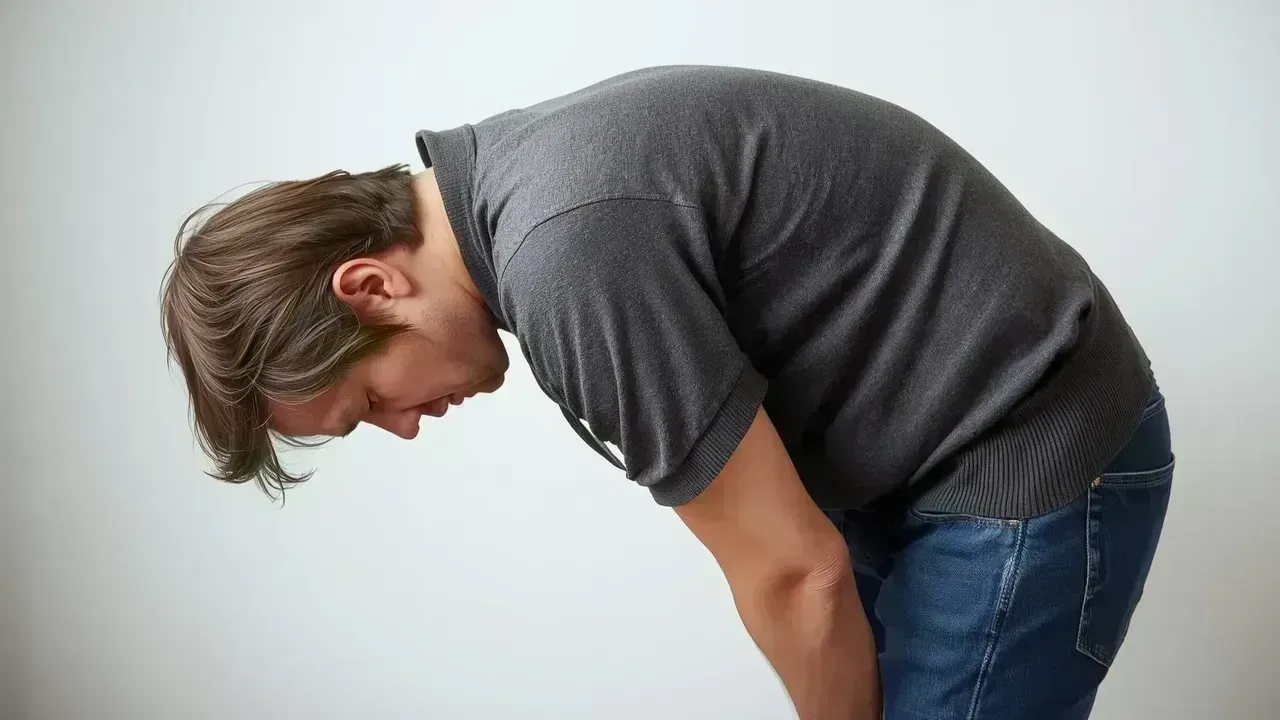
Poor posture is often a significant yet overlooked cause of chronic discomfort in today's society. It tends to develop gradually, often going unnoticed until it causes serious strain on muscles, joints, nerves, and various internal organs. In 2026, with extended periods spent in front of screens, a rise in sedentary professions, and growing mobile phone usage, posture-related issues transcend age groups—impacting teenagers, working professionals, and even children.
This article outlines how poor posture can lead to persistent pain, identifies the most affected body areas, examines why the impacts grow over time, and reveals what occurs within the body when posture is compromised.
Posture encompasses the alignment of your body while sitting, standing, walking, or lying down. Good posture ensures a neutral spine, balances body weight, and enables muscles to function effectively. Conversely, poor posture results when this alignment is frequently disrupted over prolonged periods.
Extended sitting without adequate back support
Forward head posture from prolonged phone usage
Slouching during laptop work
Weakness in core and back muscles
Sedentary lifestyle
Poor sleeping positions
Lack of awareness regarding posture
Poor posture is not merely a solitary habit—it is a routine sustained over time, eventually becoming the body's normative position.
The spine is not a straight structure. It features natural curves that serve to absorb shock and maintain balance.
Cervical curve (neck)
Thoracic curve (upper back)
Lumbar curve (lower back)
These curves work synchronously to evenly distribute weight. When posture becomes poor, these curves may either exaggerate or flatten, causing imbalanced pressure and mechanical strain.
Poor posture impacts multiple areas rather than a single location. It sparks a chain reaction throughout the body.
Some muscles become excessively stretched and weak, while others become tight and overactive. This dynamic forces muscles to exert more effort than their design intended.
Misalignment amplifies stress on joints, leading to premature wear and damage.
Compressed muscles and joints hinder blood flow, restricting oxygen and nutrient supply.
Misaligned structures can press on nerves, leading to pain, tingling sensations, or numbness.
Over time, the body may adapt to this dysfunction, resulting in chronic pain.
One of the prevalent problems today is forward head posture.
The human head weighs about 4-6 kg. For each inch the head moves forward, the strain on the neck significantly spikes. This excessive load burdens the cervical spine.
Persistent neck stiffness
Limited neck mobility
Cervical disc compression
Headaches and migraines
Shoulder tension
Forward head posture can also disrupt breathing patterns, contributing to fatigue.
Slouching leads to rounding of the shoulders and a collapse of the chest.
Upper back muscles are overstretched
Chest muscles become overly tight
Shoulder joints lose stability
Scapular muscles weaken
This condition results in discomfort between the shoulder blades and regular shoulder pains.
Decreased shoulder strength
Heightened risk of rotator cuff injuries
Chronic upper back stiffness
Poor breathing efficiency
Lower back pain is closely linked to posture issues.
Extended periods of sitting can tilt the pelvis back, flattening the lumbar curve. This increases pressure on discs and strains spinal ligaments.
Lumbar disc degeneration
Chronic lower back discomfort
Sciatic nerve irritation
Diminished spinal flexibility
Over time, even standing can become painful due to muscle fatigue.
Poor posture alters weight distribution throughout the body.
An anterior or posterior pelvic tilt modifies hip joint mechanics, leading to:
Tightness in hip flexors
Reduced mobility in hips
Intense pain in deep hip joints
Misaligned hips influence knee tracking, heightening stress on knee joints and cartilage.
Early joint degeneration
Increased likelihood of injuries
Pain while walking or climbing stairs
Pain frequently emerges distant from the initial postural issue.
Posture influences the entire Kinetic Chain.
Misalignment causes unequal body weight distribution across the feet, heightening pressure on specific regions.
Pain in the heels
Plantar fasciitis
Strain on the arches
Fatigue when standing
Foot pain originating from posture often remains untreated because the underlying cause is not easily identified.
Slouched posture compresses the chest and diaphragm.
Shallow breathing patterns
Declined oxygen intake
Increased feelings of fatigue
Elevated stress levels
Poor breathing techniques also contribute to neck and shoulder tension, aggravating pain.
The relationship between posture and stress is significant.
Hunched postures trigger stress signals in the brain, activating the sympathetic nervous system and leading to a constant state of alertness.
Tension in muscles
Poor quality of sleep
Heightened sensitivity to pain
Slower recovery rates
Chronic pain intensifies when the nervous system remains overstimulated.
Pain attributed to poor posture typically does not manifest suddenly.
Muscles adjust to misaligned positions
Joints endure cumulative strain
Connective tissue tightens
Lower pain thresholds
Neglecting posture allows minor issues to escalate into substantial structural problems.
Many medications merely alleviate symptoms without addressing the root causes.
Temporary sensation of relief
No resolution of alignment issues
Concealment of essential warning signals
Potential for dependency
If posture is not rectified, pain is bound to resurface.
Modern habits greatly increase postural strain.
Smartphone head posture
Laptop use without ergonomic considerations
Extended video consumption
Decreased physical activity
Technological advancements have outpaced the body’s ability to adapt.
Improved pain with movement
Worsening pain after prolonged sitting
Morning stiffness
Gradual pain spread
Lack of clear injury history
Early identification can avert long-term complications.
Activity is beneficial, but without correcting posture, the outcomes are limited.
Awareness of postural alignment
Daily habits supporting good alignment
Proper ergonomic setups
Consistency
Posture modification requires a comprehensive commitment, not just a workout.
Chronic pain influences more than physical aspects.
Lower productivity levels
Compromised sleep quality
Altered mood states
Decreased self-confidence
Reluctance to engage in activities
The quality of life can deteriorate gradually yet significantly.
Addressing posture promptly averts:
Chronic pain disorders
Disc-related complications
Nerve compression issues
Joint degeneration
Medication dependency
Minor alterations can yield substantial long-term comfort.
Posture transcends merely standing correctly for short periods. It revolves around how your body functions throughout the day. Each hour spent with improper alignment increases strain, while every correction decreases future pain.
Poor posture stands as one of the most avoidable sources of chronic body pain. The discomfort you experience now often stems from habits established long ago. Maintaining awareness, consistency, and small everyday adjustments can safeguard your spine, joints, and muscles for a lifetime.
Your posture is not only about sitting or standing—it's about how your body adapts to movement.
This piece serves general informational purposes and should not replace professional medical guidance. Posture-related pain varies by individual and may involve underlying medical conditions. Always consult a qualified healthcare professional, physiotherapist, or medical expert for accurate diagnosis and tailored treatment recommendations.









Rabada Misses First Australia Test as South Africa Pick Two Spinners
Kagiso Rabada misses the opener as South Africa vs Australia begins, with Anrich Nortje returning an

Starc Compares Australia's Tough Year to McIlroy's Major Sweep
Mitchell Starc says Australia winning three away Test series and the World Cup would match Rory McIl

France’s Sesterce Plans $11 Billion AI Data Centre in Finland
Sesterce plans a $11 billion AI data centre in Finland, with major expansion, green energy plans and

Danaher to Launch AI-Powered Autonomous Research Lab in 2027
Danaher plans an AI research lab for 2027, combining robotics and automation to speed up drug discov

Musk Welcomes German Support for Tesla Driver Assistance Tech as EU Approval Push Continues
Elon Musk welcomes Germany's backing for Tesla FSD as the company seeks EU approval amid speed, safe

Microsoft and Nvidia CEOs to Unveil AI Laptop at San Francisco Event
Microsoft and Nvidia showcase a new AI laptop with RTX Spark chips as they push powerful local AI co

