
You have not yet added any article to your bookmarks!
Join 10k+ people to get notified about new posts, news and tips.
Do not worry we don't spam!
Post by : Mikael Ariff
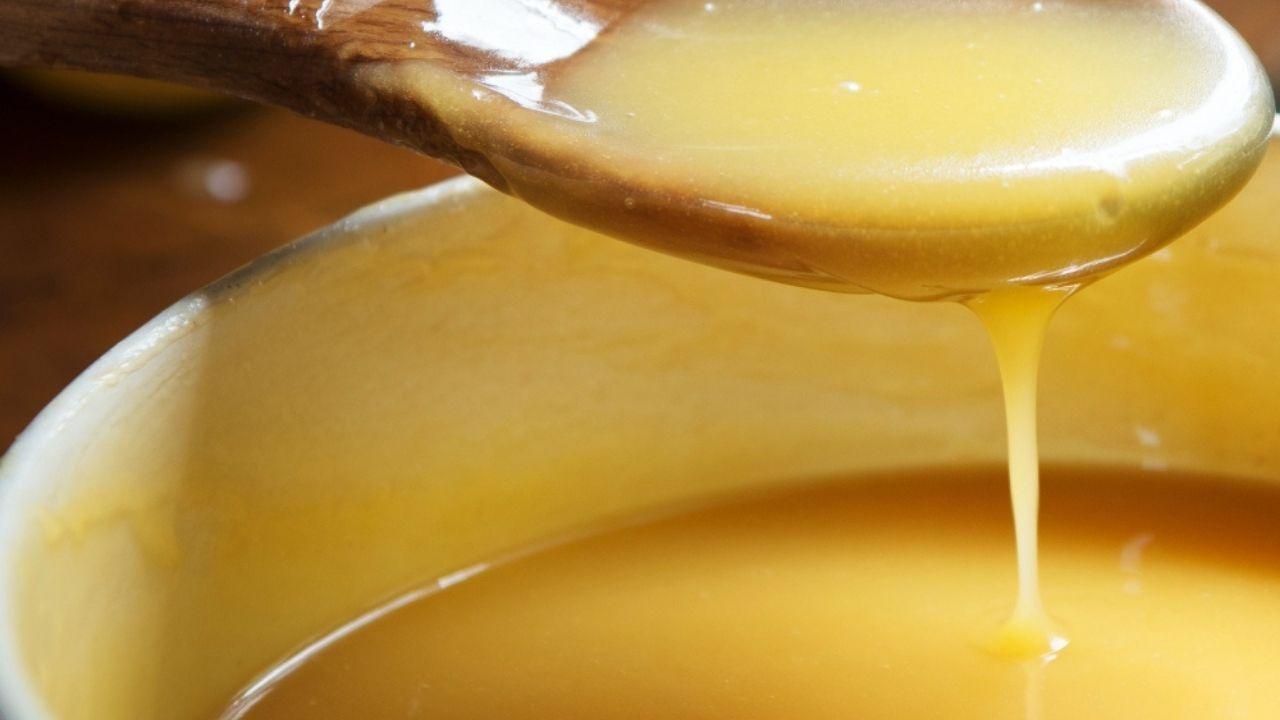
Clarified butter, or ghee, has long been a key ingredient in various traditional cuisines, especially within Indian culinary practices. It is produced by heating butter, which removes the milk solids, resulting in a concentrated butterfat. While it is renowned for its rich flavor and potential health advantages, people often question whether clarified butter contributes positively or negatively to heart health. Here, we delve into the crucial aspects.
Primarily composed of fat, clarified butter contains both saturated and unsaturated fats, with a higher proportion of saturated fat. Elevated levels of saturated fats can lead to increased LDL (low-density lipoprotein) cholesterol, commonly dubbed 'bad' cholesterol. High LDL cholesterol levels may result in the buildup of plaque in arteries, enhancing the risk of heart disease and stroke.
Nevertheless, not all fats exhibit the same properties. Clarified butter is a source of essential nutrients, including vitamins A, D, E, and K, integral for boosting the immune system, sustaining bone health, and promoting general wellness. It also has butyrate, a short-chain fatty acid recognized for its anti-inflammatory benefits.
The chief concern regarding clarified butter is its saturated fat content, which has been correlated with elevated LDL cholesterol levels, potentially leading to heart-related issues. However, it's worth noting that different saturated fats may exert varying effects on the body. Notably, clarified butter's butyrate may aid in mitigating inflammation and regulating cholesterol. Some studies suggest a reduction in heart disease risk linked to butyrate.
Despite its high saturated fat content, clarified butter contains monounsaturated (MUFAs) and polyunsaturated (PUFAs) fats, known for their roles in promoting heart health. These beneficial fats can lower LDL cholesterol while enhancing HDL (high-density lipoprotein) cholesterol, often referred to as 'good' cholesterol. This mix might help offset the adverse impacts of saturated fats in clarified butter.
Since inflammation is a significant factor in cardiovascular conditions, research indicates that clarified butter's butyrate might possess anti-inflammatory capabilities. By helping reduce body-wide inflammation, clarified butter could diminish the likelihood of heart disease.
Within many traditional diets, clarified butter is primarily used in moderation and often paired with other heart-healthy foods like fruits, vegetables, and whole grains. In such contexts, clarified butter serves as a cooking fat rather than the central fat source. The essence lies in balance—clarified butter plays a role in a comprehensive diet that ensures the right fat intake.
Although clarified butter has more saturated fat than certain oils, its higher smoke point makes it less liable to break down into harmful substances at elevated cooking temperatures. This quality renders clarified butter a safer cooking option at higher heat compared to oils like vegetable or olive oil, which degrade more rapidly when heated.
However, moderation remains crucial for heart health. While clarified butter is a safer choice for high-temperature cooking, careful consumption alongside other heart-healthy fats is vital.
Experts hold varied views on clarified butter’s role in heart health. Certain professionals recommend restricting its consumption due to high saturated fat, while others assert that moderate intake won’t markedly heighten heart disease risks for most individuals. Research indicates that substituting clarified butter for processed oils or trans fats might yield a neutral or even positive impact on heart health.
When incorporating clarified butter into your diet, moderation should be the guiding principle. Like all fats, it is prudent to use clarified butter in limited quantities. Generally, one to two teaspoons daily suffices to harness the nutritional benefits without saturating your body with excessive fats. Collective intake should be balanced with ample fruits, vegetables, and whole grains while avoiding excessive fat consumption altogether.
If you're mindful of clarified butter’s saturated fat yet desire its flavor, consider these heart-healthy substitutes:
Olive Oil: This oil is rich in monounsaturated fats and an excellent alternative to clarified butter. It's known to lower LDL cholesterol levels and lessen cardiovascular disease risk.
Coconut Oil: Although coconut oil contains saturated fat, its unique fatty acid composition may benefit heart health if consumed wisely.
Avocado Oil: High in monounsaturated fats, avocado oil stands as another heart-friendly alternative suitable for cooking and salads.
So, is clarified butter a boon or bane for heart health? The essence is moderation. Clarified butter offers healthy fats and vital nutrients beneficial in small amounts. Though containing saturated fat that may elevate cholesterol levels, it bears advantages such as anti-inflammatory properties and better gut health.
If you’re apprehensive about heart disease or cholesterol, limit clarified butter consumption as part of a balanced diet. Incorporate abundant fruits, vegetables, and whole grains while opting for heart-healthy oils like olive or avocado oil for cooking. Striking the right balance is key to securing heart health; when consumed sparingly, clarified butter can find its place in a balanced diet.
As with any dietary issues, consulting a healthcare provider or nutritionist is a good idea when addressing heart disease or cholesterol-related questions.
The content of this article is meant for general informational use and should not be interpreted as medical guidance. Always seek advice from a healthcare professional, registered dietitian, or nutritionist before making significant dietary changes, especially if you have health conditions such as heart disease, elevated cholesterol, diabetes, or other chronic issues. Individual nutritional needs differ, and a healthcare specialist can customize that advice according to your health profile.










Spain's Diego Poncelet Sets Skateboarding World Speed Record
Spain's Diego Poncelet reaches 151.83 km/h in a record-breaking downhill skateboard run in Canada, s

Hyundai Recalls 94,622 US Vehicles Over Potential Fire Risk
Hyundai recalls 94,622 US vehicles over overheating seat motors. Check affected Genesis models, fire

Nvidia Pledges $250 Million for UK AI Safety Research
Nvidia will provide $250 million in computing resources over five years to support AI safety researc

Jacob Bethell Returns as England Name Squads for Australia Tour
England name ODI and T20 squads for the Australia tour, with Jacob Bethell returning from injury and

Beauden Barrett Opens Up About Mental Struggles During All Blacks Exile
Beauden Barrett discusses his confidence struggles after missing six tests, his return against Austr

IMF Says AI Investment Supports Global Growth Despite Energy Shock
IMF says AI investment is supporting global growth near 3%, with Asian economies benefiting from ris

