You have not yet added any article to your bookmarks!
Join 10k+ people to get notified about new posts, news and tips.
Do not worry we don't spam!
Post by : Samjeet Ariff
Step into a grocery store today, and you’ll find shelves brimming with items touting themselves as healthy, natural, sugar-free, high-protein, low-fat, organic, or immunity-boosting. These labels dominate the marketplace and heavily influence consumer behavior. By 2026, the tactics employed in packaged food marketing have outsmarted many shoppers, creating a health halo around products that aren’t quite as wholesome as they suggest.
This article delves into the truth behind so-called “healthy” packaged foods, illuminating the marketing strategies used, essential ingredients to consider, and ways to make informed food choices without falling prey to misleading labeling.
Food companies realize that consumers increasingly desire convenience alongside a healthy image. As more people adopt busier lifestyles, the demand for quick and convenient meal options rises. Brands respond by redesigning their products and packaging to project a nutritious façade.
Key reasons packaged foods can appear healthy include:
Sleek packaging with green, brown, or minimalist aesthetics
Keywords such as “natural,” “clean,” and “wholesome”
Endorsements from celebrities or influencers
Claims of added vitamins or protein content
Relative comparisons made with junk food rather than whole foods
However, it’s crucial to recognize that the appearance of health doesn’t equate to actual health benefits.
There is no standardized definition for the term “healthy” when it comes to packaged foods. Many marketing terms used on packaging are legally ambiguous.
Natural doesn’t necessarily mean unprocessed
No added sugar does not imply sugar-free
Low fat frequently correlates with higher sugar
High protein doesn’t guarantee a balanced diet
Organic ingredients alone don’t ensure whole product health
These terms often aim to shape perception rather than educate consumers.
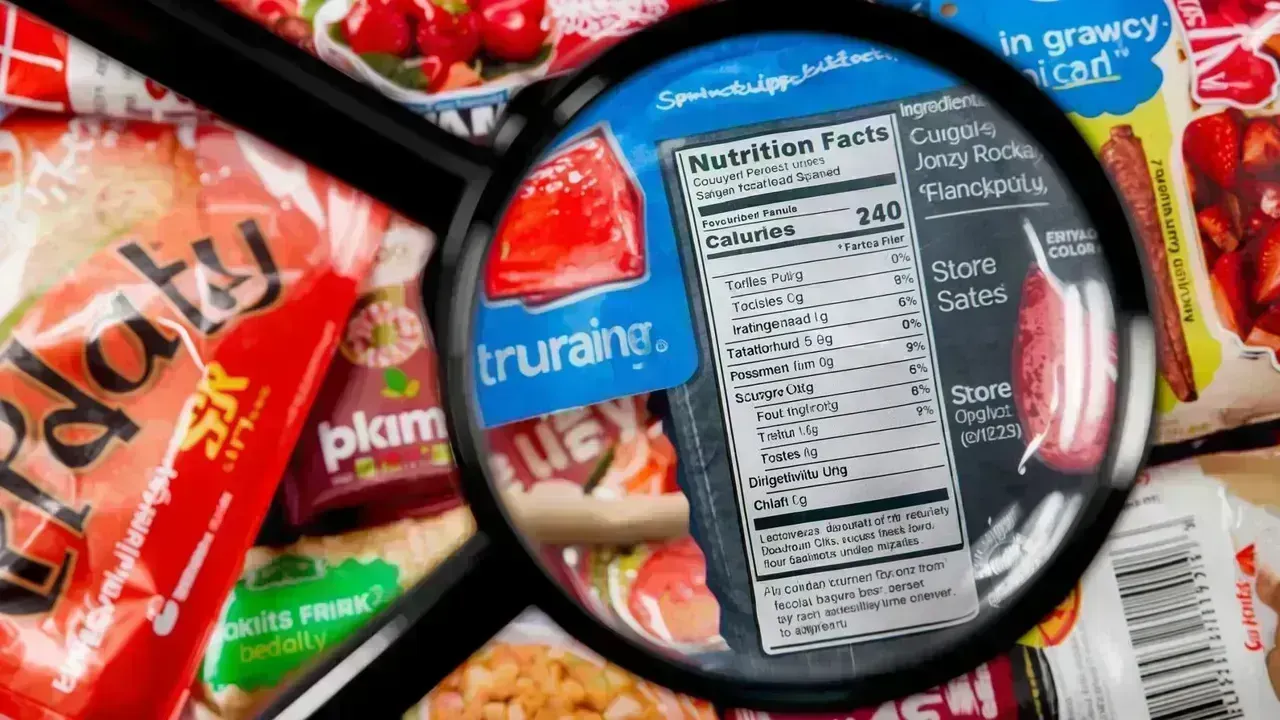
The most revealing part of any food package is its ingredient list, yet it often goes unnoticed.
Ingredients are listed by weight
The first three ingredients typically constitute the majority of the product
Various names for sugar may appear separately to obscure totals
If sugar, refined flour, or oils are listed early, the item is likely nutritionally poor, despite label claims.
Many items marketed as healthy may harbor unexpectedly high sugar levels.
Common culprits include:
Breakfast cereals
Granola bars
Protein bars
Flavored yogurt
Fruit juices and smoothies
Manufacturers utilize terms like glucose syrup, maltodextrin, cane juice, and honey to disguise sugar content. Ultimately, your body doesn’t differentiate—sugar remains sugar.
Low-fat products gained favor when fat was mistakenly identified as the primary culprit of weight gain.
Fat is eliminated
Sugars, starches, or additives are introduced for flavor
Overall calorie content remains constant or can even increase
Low-fat options in cookies, yogurts, and snacks may elevate blood sugar levels and induce hunger, making them more detrimental to metabolic health.
Many “healthy” packaged options fall under the category of ultra-processed foods, even with added nutrients.
Extensive ingredient lists
Artificial additives or colors
Emulsifiers and preservatives
Modified starches
Long-lasting preservatives
Ultra-processed foods have been linked to inflammation, gut issues, and a heightened risk of lifestyle diseases, despite claims of nutritional value.
Protein has emerged as a leading health buzzword today.
Protein bars may feature more sugar than protein
Protein powders can have artificial sweeteners
Excessive protein doesn’t automatically equate to better health
The quality of protein, its digestibility, and balance with fibers and fats are far more vital than sheer quantity.
Numerous packaged foods strip natural nutrients during processing and then reintroduce synthetic vitamins.
Synthetic nutrients might not be as effectively absorbed
Fortification doesn’t ameliorate poor food quality
Whole foods contribute nutrients in their natural combinations
A sugary cereal, even if fortified, remains sugary.
Another prevalent tactic is unrealistic serving sizes.
Nutrition values appear low per serving
Actual consumption tends to be much higher
Sugars, salts, and calories swiftly accumulate
Always assess values per 100g rather than just per serving.
Some brands eliminate artificial additives yet still rely on refined ingredients.
Clean-label products can often be:
High in sugars
Low in fiber content
Deficient in micronutrients
True health hinges on overall nutritional balance, rather than just ingredient perception.
When individuals perceive food as healthy, they are likely to:
Consume larger portions
Snack more consistently
Disregard hunger signals
This can lead to overconsumption, even with items marketed as beneficial.
Ultimately, these products primarily favor:
Food companies aiming for higher profit margins
Consumers in search of quick solutions
Brands driven by marketing strategies
They seldom promote long-term wellness when consumed regularly.
Not every packaged food is unhealthy.
Some acceptable options are:
Raw nuts and seeds
Unsweetened oats
Single-ingredient items
Frozen vegetables with no additives
Minimal-ingredient products
The essential factor lies in minimal processing and transparency.
Opt for foods with minimal ingredients
Avoid products containing multiple sugar sources
Prioritize fiber-rich selections
Disregard front-label claims
Complement packaged foods with fresh meals
Perfection isn’t necessary—just awareness is enough.
Packaged foods cater primarily to shelf life rather than human health. The more processed a food item, the further it strays from its natural form. Heavily relying on packaged “healthy” options engenders a false sense of security, potentially undermining long-term well-being.
It’s an uncomfortable truth: most packaged foods are crafted to sell rather than nourish. Health claims reflect marketing strategies rather than guarantees of nutrition. Authentic health derives from whole foods, consistency, and an understanding of labels—rather than trendy packaging.
Awareness transforms consumers into informed decision-makers, empowering them to pursue the most meaningful health advancements.
This article is for informational and educational purposes only and does not constitute medical or nutritional advice. Dietary needs vary based on age, health conditions, and lifestyle. Readers should consult a qualified nutritionist or healthcare professional before making significant dietary changes.










Beauden Barrett Opens Up About Mental Struggles During All Blacks Exile
Beauden Barrett discusses his confidence struggles after missing six tests, his return against Austr

IMF Says AI Investment Supports Global Growth Despite Energy Shock
IMF says AI investment is supporting global growth near 3%, with Asian economies benefiting from ris

Will O'Rourke Ruled Out of New Zealand's India Series
New Zealand fast bowler Will O'Rourke will miss the India series with hamstring and calf injuries as

AI Companies Expected to Drive Most US Earnings Growth in Q3
AI companies are expected to drive US third-quarter earnings growth as investors assess tech profits

Money Market Funds See Record Inflows as Global Bond Selloff Intensifies
Global money market funds attract $153.81 billion as bond yields rise, inflation fears persist and i

Meta Bans TikTok Ads on Facebook and Instagram in Seven Countries
Meta has banned TikTok ads in seven countries, escalating competition over social media users, adver