You have not yet added any article to your bookmarks!
Join 10k+ people to get notified about new posts, news and tips.
Do not worry we don't spam!
Post by : Anis Farhan
A significant update to nutrition labels announced recently is reshaping the way consumers read, compare, and select packaged foods. For years, shoppers encountered confusing nutritional data, small print, misleading claims, and inconsistent serving sizes. The newly introduced format — launched across grocery stores — aims to address these challenges by simplifying the data, clarifying portions, and highlighting essential nutrients more clearly.
Nutrition labels play a pivotal role in influencing dietary choices. However, due to time constraints and an overload of jargon, many shoppers either miss or misinterpret this information. The updated labels are designed to bridge this gap by enhancing intuitiveness and readability, aligning more closely with real eating habits. This change comes at a crucial time as consumers are increasingly interested in health and actively comparing products beyond just brand names.
This article breaks down the key changes, their significance, shopper responses, and the potential impact of the new labels on future eating habits.
Experts in nutrition, regulatory bodies, and consumer advocates have long recognized that the previous label structure lacked consumer-friendliness.
Many consumers found the outdated format daunting and difficult to interpret, with nutrients listed in a manner that lacked context.
Terms like "low-fat," "sugar-free," or "multigrain" could mislead shoppers into believing certain products were healthier than they actually were.
Many labels featured unrealistically small serving sizes that concealed high levels of sugar, sodium, or fats present in realistic portions.
The inconsistent display of vitamins and minerals made it challenging for consumers to pinpoint dietary deficiencies.
The rising interest in health and personalized nutrition has prompted consumers to seek clearer information for informed choices.
The nutrition label update aims to directly tackle these issues.
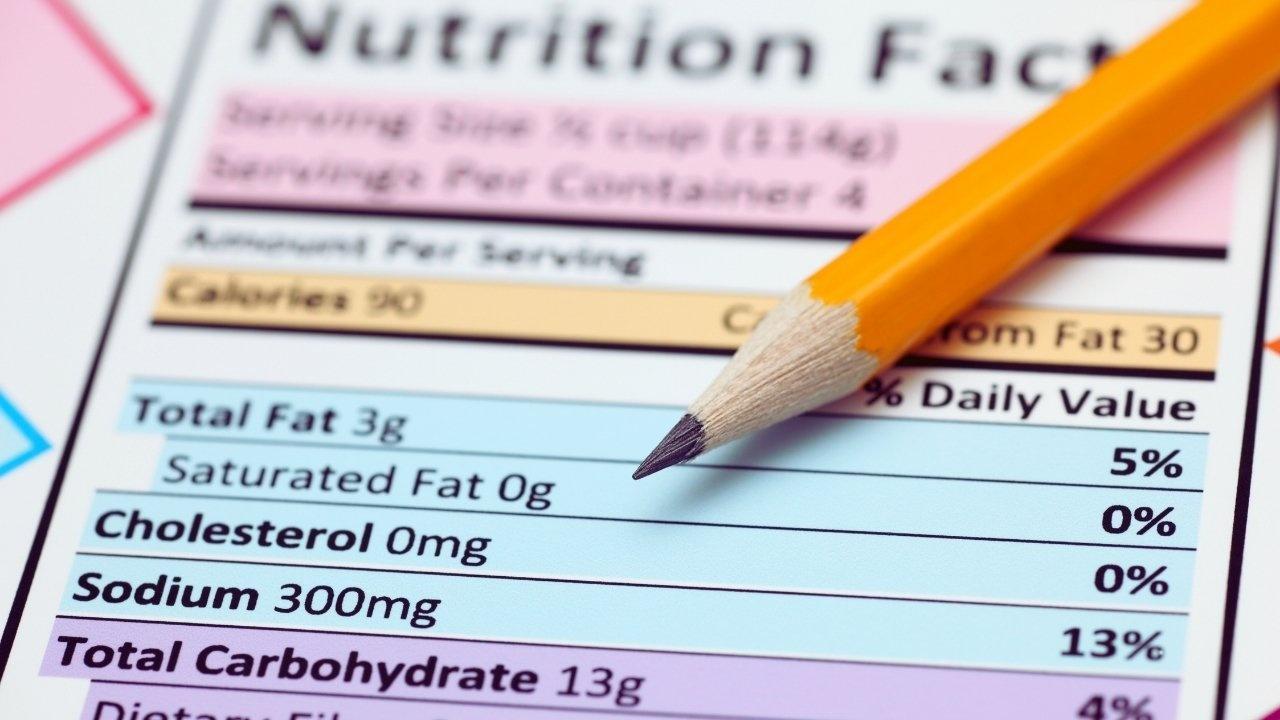
The updated label emphasizes clarity, realistic servings, and distinct nutrient highlights.
Calories are now displayed in a bolder font for easy visibility, helping busy shoppers with quick comparisons.
Serving sizes now align with actual consumption, addressing typical amounts for beverages, snacks, and ready meals.
Nutrients with significant health effects — such as added sugars, saturated fats, and sodium — are now clearly highlighted, with added sugars listed separately from natural sugars.
Daily Value percentages are now displayed prominently, helping users understand the nutrient contribution of each product.
Some brands are adopting voluntary quick-view boxes showing calories, sugars, fats, and salt, simplifying the decision-making process.
Essential vitamins and minerals will now have a standardized display format, reducing shopper confusion.
These enhancements contribute to a label that feels more user-friendly and less intimidating.
Consumers have already begun to notice positive changes while shopping.
The separate listing for added sugars has significantly improved product evaluation, helping shoppers realize that flavored yogurts or granola bars may contain unhealthy sugars.
Previously, shoppers often misinterpreted the nutritional profile by mistaking an entire package for one serving. The new servings align better with real consumption.
With improved fonts and layouts, consumers can easily compare products side by side and assess differences in sugars, fats, and sodium levels.
Healthy snack selections become clearer as the new labels reveal hidden sugars or high sodium content in products marketed as low-calorie.
Consumers appreciate brands that offer straightforward and readable labels, fostering trust amid skepticism towards marketing claims.
The redesigned labels assist individuals in managing their portions better, supporting weight control and metabolic health.
Overall, the updated labels are designed to encourage healthier consumer behavior and decision-making.
Many companies are rethinking packaging in light of the new requirements.
Minimalistic designs make nutritional information more easily identifiable.
Enhanced color contrast facilitates readability.
Brands are eliminating excessive promotional graphics to focus on clear communication.
More products now feature straightforward ingredient descriptions that align with label clarity.
Thus, packaging is evolving into a tool for education, transcending mere marketing tactics.
Supermarkets are modifying shelf displays and signage to guide shoppers in adapting to the new label standards.
Some stores add simplified nutrition indicators alongside price tags.
Products meeting specific nutrient criteria are grouped for easier browsing.
Staff members are being trained to assist customers with questions about the new labels.
Some stores promote healthier options that align with insights from the newly updated labels.
These initiatives help reinforce the label update's objectives.
The new labeling strategy has gained widespread approval from nutrition experts.
Nutritionists believe these changes will encourage consumers to engage in thoughtful evaluations instead of impulse purchases.
With clearer indications of nutrients like fiber and sugars, the labels align better with contemporary dietary guidelines.
Clear labels assist individuals — including young people — in naturally learning about healthy eating through daily selections.
In the long run, the updates may decrease health issues tied to high sugar and sodium consumption.
Experts hope the new labels transform consumer perception from legal jargon to practical advice.
Families stand to gain significantly from the enhanced clarity of nutrition labels.
Parents can confidently select healthier snacks for children.
Increased visibility of added sugars allows parents to dodge hidden sugars usually found in kids' products.
Families can construct balanced meals more intuitively based on nutrient content.
Older adults managing sodium, sugar, or fat intake can navigate the new labels with greater ease.
Teenagers shopping independently can glean clearer insights into their choices.
The update transforms grocery shopping into a daily lesson in nutrition.
Food companies face significant adaptations due to the updates.
Several brands are revising recipes to reduce sugars or sodium to maintain competitiveness.
Brands are now required to present clearer ingredient and nutrient information, leading to less vague claims.
Manufacturers may explore new ingredients or production methods to meet improved nutritional standards.
Some brands might leverage these changes to showcase cleaner ingredients or better quality.
While the transition requires effort, it positions brands favorably for future consumer expectations.
As with any significant overhaul, misconceptions are emerging.
This is incorrect; serving sizes have simply adjusted to reflect real consumption patterns.
In actuality, added sugars have always existed; they are just now being clearly labeled.
Beneficial fats (like those from nuts and avocados) still hold health benefits; labels clarify the types of fat.
Not necessarily; the quality of nutrients outweighs mere calorie counts.
The updated labels are designed to foster a nuanced understanding, not promote fear.
The new label format is expected to yield far-reaching effects.
A lower intake of sugars and sodium could significantly diminish the likelihood of obesity, diabetes, and heart conditions.
Enhanced nutrient visibility is likely to lead to increased consumption of wholesome foods.
Youth growing up with clearer labels are likely to develop healthier habits earlier.
As demand for healthier options grows, manufacturers will need to evolve.
These trends collectively contribute to enhanced public health outcomes.
Examining two like items can reveal surprising differences.
These nutrients significantly impact long-term health.
Short, familiar ingredient lists often indicate higher quality.
Fiber, protein, and micronutrients are equally important.
Whether focusing on cardiovascular health, energy levels, or weight management, labels can guide choices.
The more consumers engage with the new labeling system, the instinctive it becomes.
The revised nutrition label is not just a cosmetic change — it marks a move toward transparency, empowerment, and improved choices for everyday shoppers. By streamlining serving sizes, emphasizing critical nutrients, and enhancing readability, the update bridges the existing gap between packaged food information and consumer understanding.
With households becoming increasingly health-conscious and global packaged food consumption remaining robust, this label update could influence eating habits, encourage cleaner food production, and bolster public health initiatives for the foreseeable future. Ultimately, the new labels deliver what shoppers have long needed: clarity, integrity, and the ability to make better choices.
This piece is meant for general information only. It summarizes recent updates to nutrition labels impacting packaged foods and should not be construed as medical or dietary guidance.










Hyundai Recalls 94,622 US Vehicles Over Potential Fire Risk
Hyundai recalls 94,622 US vehicles over overheating seat motors. Check affected Genesis models, fire

Nvidia Pledges $250 Million for UK AI Safety Research
Nvidia will provide $250 million in computing resources over five years to support AI safety researc

Jacob Bethell Returns as England Name Squads for Australia Tour
England name ODI and T20 squads for the Australia tour, with Jacob Bethell returning from injury and

Beauden Barrett Opens Up About Mental Struggles During All Blacks Exile
Beauden Barrett discusses his confidence struggles after missing six tests, his return against Austr

IMF Says AI Investment Supports Global Growth Despite Energy Shock
IMF says AI investment is supporting global growth near 3%, with Asian economies benefiting from ris

Will O'Rourke Ruled Out of New Zealand's India Series
New Zealand fast bowler Will O'Rourke will miss the India series with hamstring and calf injuries as