You have not yet added any article to your bookmarks!
Join 10k+ people to get notified about new posts, news and tips.
Do not worry we don't spam!
Post by : Badri Ariffin
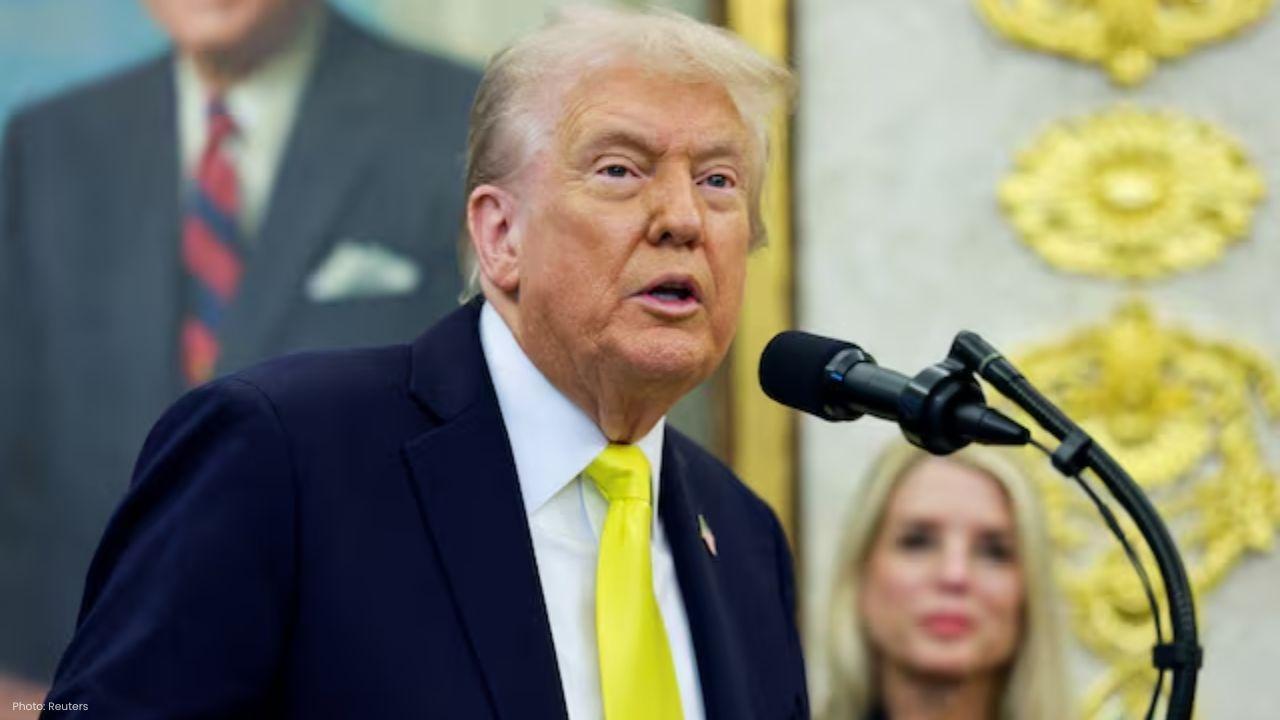
In a move that has sparked debate across environmental and industrial circles, U.S. President Donald Trump announced a rollback of a stringent air pollution rule targeting copper smelters. The rule, originally finalized in May 2024 under the Biden administration, required smelters to limit emissions of hazardous substances such as lead, arsenic, mercury, benzene, and dioxins.
Trump’s proclamation provides a two-year exemption from compliance for affected facilities, a step the administration says will protect domestic copper production and promote national mineral security. According to the White House, imposing the original limits could have forced further closures in an already strained industry, potentially undermining U.S. industrial capacity and increasing reliance on foreign copper processing.
The policy change directly affects the only two copper smelters in the U.S., operated by Freeport-McMoRan and Rio Tinto. While the exemption explicitly applies to Freeport’s facility, the implications for Rio Tinto’s plant remain unclear. Neither company has issued a public response so far.
Copper has gained strategic importance under Trump’s administration. Earlier this year, the president designated copper as a critical material essential for defense, infrastructure, and emerging technologies like electric vehicles and clean energy systems. This classification triggered a Section 232 investigation into whether U.S. reliance on imported copper poses a threat to national security. The review led to the imposition of a 50% tariff on certain imported copper and a mandate that a growing portion of domestically produced high-quality scrap copper be sold within the U.S.
Industry analysts note that the rollback may offer short-term relief to domestic producers but raises questions about environmental impacts. With copper demand rising globally, balancing industrial growth with sustainable practices remains a key challenge.
The two-year exemption gives companies breathing space to adjust operations without immediate regulatory pressure, while the government continues to emphasize domestic production as a pillar of economic and strategic resilience.







Study Warns Using AI for Medical Advice Is ‘Dangerous’ as Users Get Inaccurate Health Guidance
A major new study reveals that artificial intelligence (AI) chatbots and tools may give misleading o
Top Sci-Fi Movies Streaming on Netflix This February: Must-Watch Picks for Genre Fans
A curated news-style guide to the best science fiction films currently available on Netflix in Febru

BCCI Central Contracts Shake-Up: Kohli, Rohit Moved to Grade B as Board Reshapes 2025–26 List
Virat Kohli and Rohit Sharma have been placed in Grade B in the BCCI’s 2025–26 central contract list

Dalal Street Spotlight: Top 10 Stocks Investors Are Watching as Markets Open on a High
Indian stock markets begin the week with strong momentum, and several blue-chip and mid-cap stocks a

Market Movers Today: Key Stocks Set To Watch In Indian Markets
Indian equity markets are poised for active trading as several major companies, including Bharti Air

Milan Welcomes the World: Inside the Grand Opening Ceremony of the 2026 Winter Olympics
The 2026 Winter Olympics opening ceremony in Milan marked a defining moment for global sport, blendi