You have not yet added any article to your bookmarks!
Join 10k+ people to get notified about new posts, news and tips.
Do not worry we don't spam!
Post by : Saif Rahman
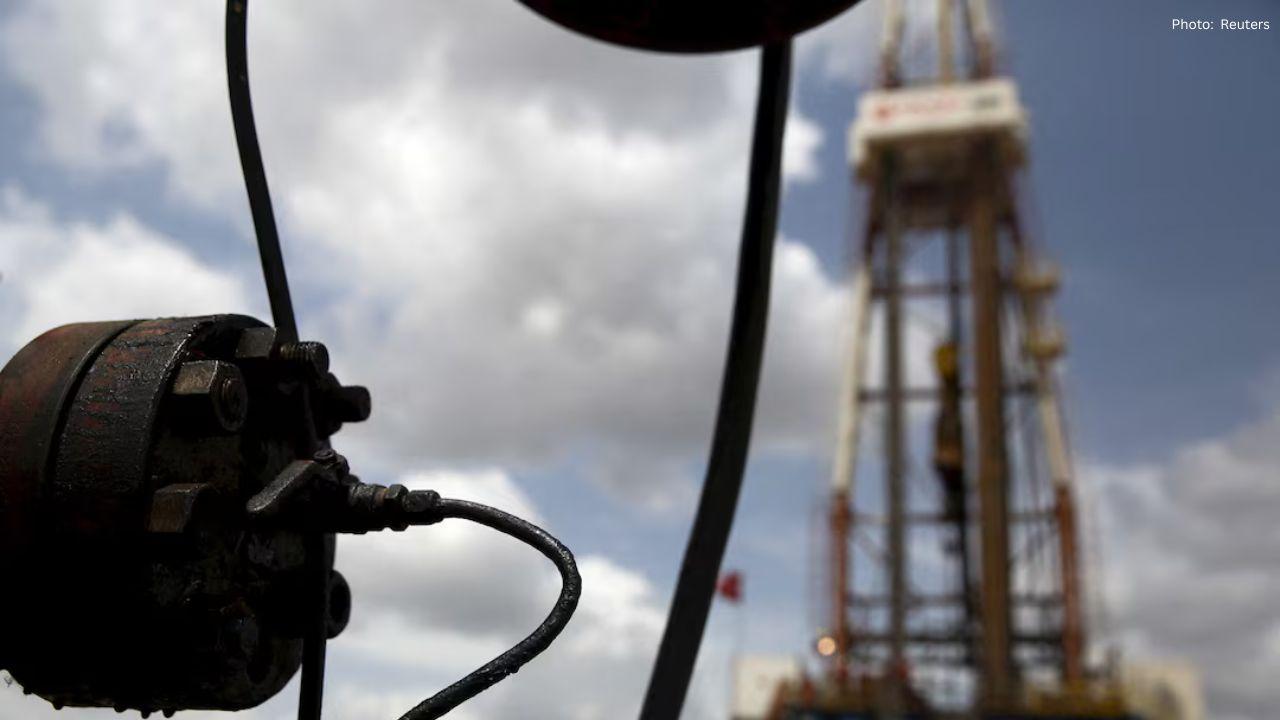
In a significant development, Venezuela is poised to send up to $2 billion worth of crude oil to the United States following a groundbreaking deal with Washington. This agreement, revealed by U.S. President Donald Trump, shifts Venezuelan oil exports from China and is expected to transport between 30 million to 50 million barrels to American ports.
This deal arrives at a crucial juncture for Venezuela’s oil sector, which has been grappling with severe U.S. sanctions, plummeting production, and limited storage capabilities. Per Trump, the oil will be available at market rates, and the U.S. government will oversee the proceeds to benefit both Venezuelans and Americans alike.
The arrangement presents a potential lifeline for Venezuela, which has millions of barrels remaining in tankers and storage that could not be shipped due to a U.S. blockade initiated in mid-December. Without new market options, the nation was on the brink of further production declines due to diminishing storage for unsold crude.
This blockade is part of the increasing pressure exerted by the Trump administration on President Nicolás Maduro’s government, intensifying over the weekend when U.S. forces detained Maduro, transporting him to the U.S. to face drug-related accusations. Venezuelan officials have condemned the action as a kidnapping, accusing the U.S. of attempting to seize control over Venezuela’s extensive oil resources.
Following Maduro’s ousting, Delcy Rodriguez assumed the role of interim president. Trump has made it clear he expects her administration to grant U.S. firms significant access to Venezuela’s oil industry, or face further repercussions. This oil export pact demonstrates that Caracas is responding to these expectations.
The agreement entails redirecting oil shipments initially intended for China to U.S. destinations. Over the past decade, China has been Venezuela's leading oil purchaser, particularly after U.S. sanctions in 2020 pushed many Western corporations out of the nation. This redirection signifies a notable shift in Venezuela's trade relationships.
Currently, Chevron is the sole U.S. entity permitted to export Venezuelan oil. The firm has been sending between 100,000 and 150,000 barrels daily to the U.S. via joint ventures with Venezuela’s state oil company, PDVSA. Chevron continues its operations despite sanctions, maintaining full control over the flow of Venezuelan oil to the U.S.
The extent to which Venezuela will access funds from these oil sales remains uncertain. Sanctions have barred PDVSA from the global financial network, freezing bank accounts and obstructing U.S. dollar transactions. Venezuela has been offering its primary crude, Merey, at significant discounts, rendering the overall deal value approximately $1.9 billion.
U.S. and Venezuelan officials have also discussed potential auctions for oil cargoes, allowing U.S. buyers to bid, along with issuing special licenses for PDVSA’s partners. Historically, such licenses enabled U.S., Indian, Chinese, and European companies to refine or resell Venezuelan oil, with some already preparing to resume receiving cargoes.
Discussions have also touched upon the possibility of Venezuelan oil replenishing the U.S. Strategic Petroleum Reserve in the future, although Trump did not explicitly mention this scenario.
U.S. Interior Secretary Doug Burgum expressed optimism regarding the surge of Venezuelan oil flowing to the U.S. Gulf Coast, viewing it as positive news for American jobs, fuel pricing, and Venezuela's economic recovery. He highlighted that American investment and technology could be instrumental in revitalizing Venezuela’s economy.
U.S. Gulf Coast refineries are adept at processing Venezuela’s heavy crude, having previously imported around 500,000 barrels per day before the sanctions. The announcement of this deal quickly influenced market trends, resulting in a more than 1.5% drop in U.S. crude prices as traders adjusted costs for heavy oil varieties.
This agreement underscores the intricate connections between energy, politics, and authority. While it may aid in stabilizing oil markets and mitigating economic decline in Venezuela, it poses significant questions regarding sovereignty, sanctions, and the true control over the oil trade's benefits.
The forthcoming weeks will clarify whether this agreement marks a step toward Venezuela’s recovery or simply another chapter in a prolonged struggle under foreign pressures and internal political discord.




China’s Tiangong Sets New 400m Record at Robot Olympics
China’s Tiangong robot sets a new 400m record at the Robot Olympics, beating a South African robot i

George Russell Wins Dutch GP Sprint, Boosts Mercedes Morale
George Russell wins the Dutch GP Sprint from pole as Mercedes teammate Kimi Antonelli extends his F1

Australia 50/3 After Bangladesh Bowled Out for 64 in Second Test
Australia reached 50/3 after Bangladesh were bowled out for 64 in the second Test, with Mitchell Sta

Jordan Burroughs Returns to Wrestling with 2028 Olympic Dream
Jordan Burroughs returns to wrestling with Real American Freestyle as the Olympic champion eyes a po

Lamborghini Catches Fire on Singapore's ECP, Causing Heavy Traffic
A Lamborghini caught fire on Singapore's ECP, causing heavy traffic and bus delays. No injuries were

Bangkok Airport Duty-Free Area Flooded by Pipe Burst
A burst water pipe flooded the duty-free shopping area at Bangkok's Suvarnabhumi Airport on July 16,