You have not yet added any article to your bookmarks!
Join 10k+ people to get notified about new posts, news and tips.
Do not worry we don't spam!

Post by : Rohit Dhiman
Prime Minister Narendra Modi presented Russian President Vladimir Putin with a Russian translation of the Thirukkural during their meeting in New Delhi on the sidelines of the 18th BRICS Summit 2026. The presentation added a cultural dimension to the high-level engagement between the Indian and Russian leaders and brought attention to one of India's most respected classical literary works. The meeting between Modi and Putin was held as the two leaders reviewed several areas of bilateral cooperation. According to the official account of the meeting, their discussions covered political, economic, defence, energy, space, skill mobility and people-to-people cooperation. They also discussed India's BRICS chairship and broader engagement in the multilateral forum. Against this diplomatic backdrop, the presentation of the Russian-language edition of the Thirukkural stood out as a gesture focused on culture, literature and shared understanding.
The Thirukkural is a celebrated work associated with the Tamil poet and philosopher Thiruvalluvar. The classical text consists of 1,330 couplets and deals with a wide range of subjects, including ethics, virtue, governance, personal conduct, relationships and responsible living. Its concise verses have allowed its ideas to travel well beyond the region where the work originated. For generations, the text has remained an important part of Tamil literary and cultural heritage. Its central themes are not restricted to a particular time or society, which has helped the work gain recognition among readers outside the Tamil-speaking world. The Russian translation presented to Putin provides another opportunity for the ideas associated with Thiruvalluvar to reach readers in a different linguistic and cultural environment.
The edition presented by Modi was published in 2026 by the Central Institute of Classical Tamil. It includes the original Tamil text, transliteration and a Russian rendering of the verses. The Russian translation was prepared by Naira Mkrtchyan. By presenting the work in Russian, Modi highlighted the importance of making India's classical literature accessible to international audiences. A translation allows readers who cannot read Tamil to engage with the ideas and principles contained in the text. The gesture also demonstrated how literature can serve as a form of cultural diplomacy. Instead of being limited to official statements and policy discussions, relations between countries can also develop through exchanges involving books, language, art and heritage.
The presentation carried significance beyond the exchange of a book. Modi described the Russian translation as a way of carrying Thiruvalluvar's enduring wisdom across languages and borders. The message placed emphasis on the universal character of the work and its ability to connect readers from different backgrounds. The gesture came at an important moment in India Russia Relations, with Modi and Putin holding discussions on ways to expand cooperation across several sectors. The two leaders reviewed progress in political and economic cooperation while also discussing defence, energy, space and industrial engagement. The cultural exchange therefore complemented the wider diplomatic discussions taking place between New Delhi and Moscow.
The meeting took place in New Delhi as world leaders gathered for the 18th BRICS summit hosted by India. The summit has brought together leaders to discuss economic cooperation, global governance and issues affecting emerging economies. Modi and Putin also visited the INNOPROM India industrial exhibition during their engagement. The official account said the leaders welcomed the exhibition's role in expanding trade and industrial links between India and Russia. While bilateral talks generally focus on strategic and economic priorities, the Thirukkural exchange offered a different dimension to the meeting. It placed India's cultural heritage alongside discussions about trade, technology, energy, defence and international cooperation.
The continuing popularity of the Thirukkural comes from the breadth of subjects covered in its verses. The work explores ideas about personal responsibility, moral behaviour, leadership, justice, social relations and human values. Its structure allows readers to approach the text from different perspectives. Some verses focus on individual conduct, while others address governance, public responsibility and relationships. This broad range has helped the work remain relevant across generations. The text has also been translated into numerous languages, allowing its ideas to reach readers around the world. The Russian edition adds another important language to that long history of translation and international engagement. For Tamil Literature, the translation represents an important opportunity to introduce a major classical work to a wider Russian-speaking audience.
The Modi-Putin exchange also demonstrates the role literature can play in international relations. Diplomatic ties are usually associated with government meetings, agreements, trade negotiations and strategic partnerships. Cultural exchanges, however, can provide another way for people in different countries to understand each other's heritage. A classical work such as the Thirukkural can serve as a bridge because its themes deal with questions that extend beyond national boundaries. Ideas about ethical behaviour, responsible leadership and relationships can be understood by readers regardless of their country or language. The Russian translation makes that cultural exchange more accessible and gives the work a place within a new linguistic setting.
The gift comes as India and Russia continue to maintain a broad relationship covering multiple areas. During the latest meeting, the two leaders reviewed cooperation in political, economic, defence, energy, space and people-to-people sectors. They also discussed India's role in BRICS and the wider multilateral relationship between the two countries. In that context, presenting Putin with the Russian edition of the Thirukkural added a symbolic element to the meeting. It highlighted India's effort to present its civilisational and literary heritage to an international audience while strengthening cultural links with Russia. The gesture also showed that diplomatic engagement can extend beyond immediate political and economic interests. Cultural understanding can create additional connections between societies and give international partnerships a human and historical dimension.
The Russian translation allows the teachings associated with Thiruvalluvar to reach readers who may not otherwise have access to the original Tamil work. The presentation therefore represents both an international cultural exchange and an effort to carry India's classical literary tradition into another language. For India, the Thirukkural remains an important symbol of Tamil heritage and intellectual tradition. For international readers, translations provide a way to understand the principles and ideas that have kept the work relevant for centuries. Modi's presentation of the book to Putin during a major international summit consequently became more than a ceremonial exchange. It placed Tamil literature at the centre of a high-level India-Russia engagement and demonstrated how cultural heritage can complement modern diplomacy.
0
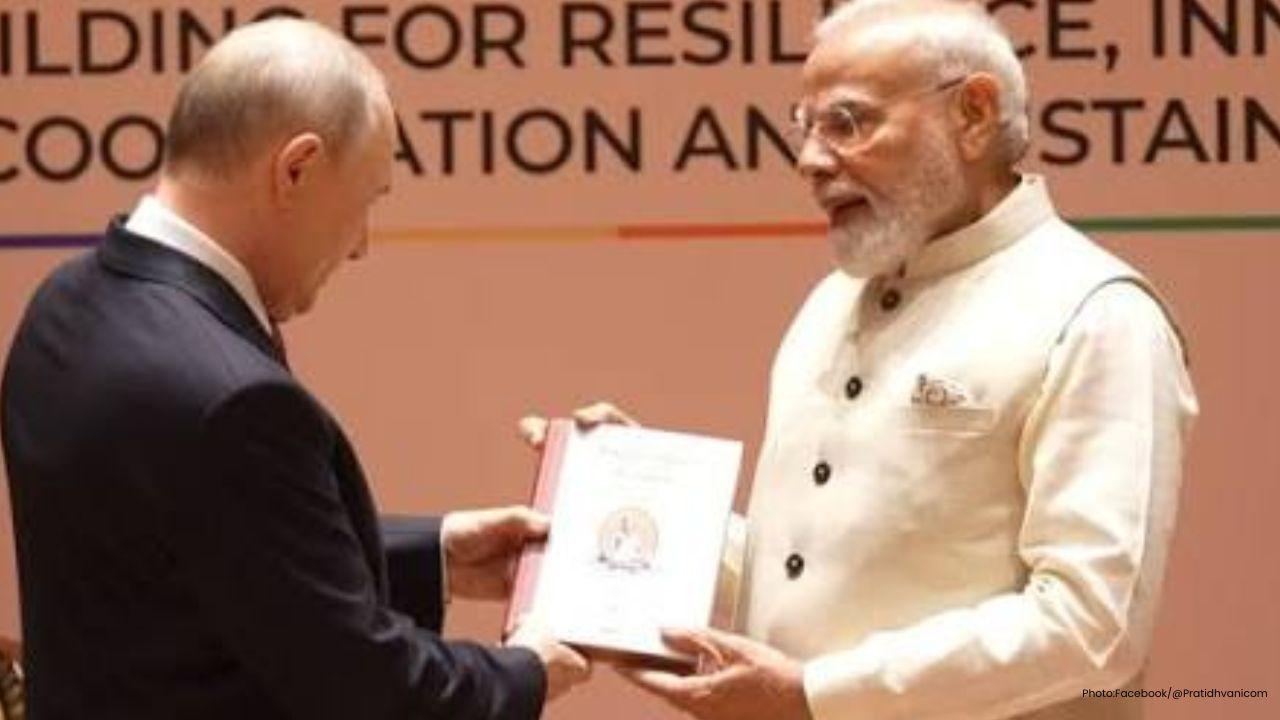
PM Modi Presents Putin Russian Translation of Thirukkural at BRICS Summit
PM Modi gifts Putin a Russian Thirukkural translation, highlighting India-Russia ties and the global
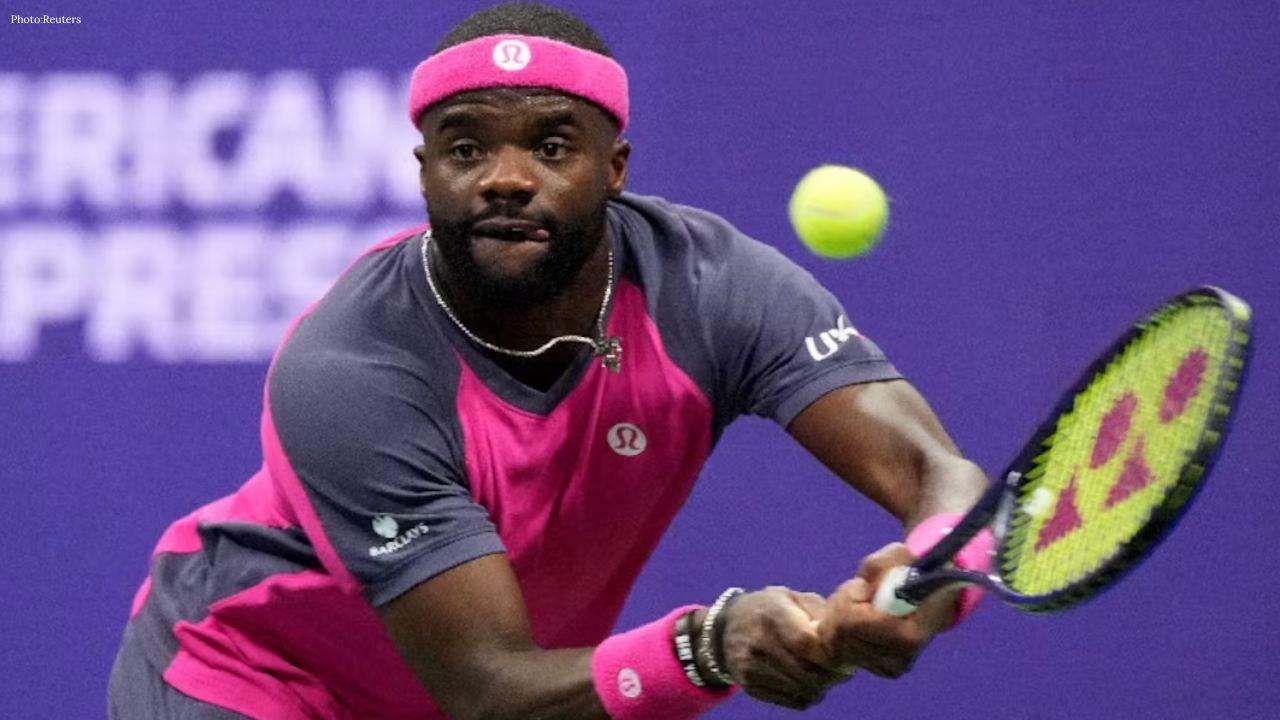
Tiafoe Proud of Comeback Season Despite Shelton Semi-Final Loss
Frances Tiafoe returns to the world top 10 after a strong US Open run, despite losing to Ben Shelton