You have not yet added any article to your bookmarks!
Join 10k+ people to get notified about new posts, news and tips.
Do not worry we don't spam!

Post by : Rohit Dhiman
Four bodies have been recovered from a hydropower project tunnel in Nepal’s Rasuwa district, nearly three weeks after a devastating flood struck the region. The recovery has renewed attention on the difficult search for people who have remained unaccounted for since the disaster. The bodies were recovered from the underground powerhouse area of the Chilime Hydropower Project during an ongoing search operation. Nepal’s Army said a joint rescue team entered the tunnel and searched towards its far end before locating the bodies. A human body part was also recovered during the operation. The remains were transported to Trishuli for further procedures and identification. The development is part of a continuing Nepal flood rescue operation following the major Bhotekoshi flood of August 26.
The latest recovery took place at the Chilime Hydropower Project, where rescue personnel had been trying to reach people believed to have been trapped inside the tunnel after the flood. According to reports from Nepal, a joint team involving the Nepal Army, Armed Police Force, Nepal Electricity Authority personnel and Indian rescue specialists took part in the operation. Divers were also involved in the search inside the tunnel. The rescue team had to work through extremely difficult conditions because the flood had damaged the access route and filled sections of the tunnel with mud, silt, large rocks and timber. The conditions significantly slowed the operation and prevented rescuers from reaching the affected areas immediately after the disaster.
Six people were believed to have been inside the Chilime project when the flood struck. Reports said five were employees of the hydropower plant, while another was a Nepal Electricity Authority employee who had been deployed at the project gate. The identities of the recovered victims had not immediately been established. Authorities called family members of people believed to have been trapped inside the project to Trishuli as the identification process was prepared. The recovery has therefore provided important information to families who had been waiting for news about their missing relatives.
The search at the hydropower project has been difficult because the flood swept away the access road and pushed huge quantities of debris into the tunnel system. Rescuers had to clear mud and other material while also dealing with water inside the underground structure. In some sections, rising water made it difficult to operate heavy equipment, forcing teams to consider alternative ways of reaching blocked areas. The operation was delayed for several weeks as authorities worked to restore access and transport machinery and equipment to the affected project area. The continuing work demonstrates the complexity of Nepal flood rescue operations, particularly when flooding damages underground infrastructure.
Technical support has been provided by teams from neighbouring countries as Nepal continues its search and recovery operations. A 24-member tunnel rescue team from India was deployed in coordination with the Nepal Army at the Chilime and Langtang hydropower project areas. Technical teams from China and South Korea have also been involved in rescue-related efforts at other affected hydropower sites. The involvement of specialist teams has been particularly important because several missing people were believed to be connected to hydropower projects where tunnels became blocked or flooded.
The Bhotekoshi flood of August 26 caused severe destruction along the Bhotekoshi-Trishuli river corridor. Hydropower projects were among the facilities heavily affected by the disaster. Roads and other infrastructure were also damaged, making access to several locations difficult for rescue teams. The disaster has resulted in a large number of deaths and missing persons across Nepal. The scale of the situation has made identification and recovery a prolonged process. The latest reports from Nepal's disaster authorities put the number of missing people at more than 6,000, while the reported death toll has crossed 1,400. These figures remain subject to verification and reconciliation as authorities continue updating records.
For families of people who remain missing, the prolonged rescue operation has brought continued uncertainty. Relatives have been asking authorities for information about the status of their loved ones and for faster search operations at affected sites. The recovery of bodies from the Chilime tunnel may help authorities establish what happened to some of those who disappeared during the flood. Families are also facing the difficult process of identifying recovered remains as rescue teams continue working in hazardous locations.
The recovery of four bodies does not mark the end of the operation at Chilime. Rescue teams continue to examine the tunnel and surrounding areas for additional people who may still be unaccounted for. The search has required a combination of manual work, specialist tunnel techniques, divers and heavy equipment because normal access routes were destroyed by the flood. At the Chilime project, rescuers have gradually made their way deeper into the affected underground structure as debris is removed and access improves. The operation remains closely watched because hydropower tunnels are difficult environments even under normal conditions, while flood damage can create additional risks from unstable debris, water and damaged structures.
The Chilime project is not the only hydropower facility where recovery work is taking place. On the same day, a separate search operation at the Upper Trishuli Hydropower Project-1 recovered five bodies from an audit tunnel. Those bodies were found deep inside the structure, adding to the scale of the recovery operation across Rasuwa. The simultaneous recovery operations at multiple hydropower sites highlight the extensive impact of the flood on Nepal's energy infrastructure and the workers present at these facilities.
0
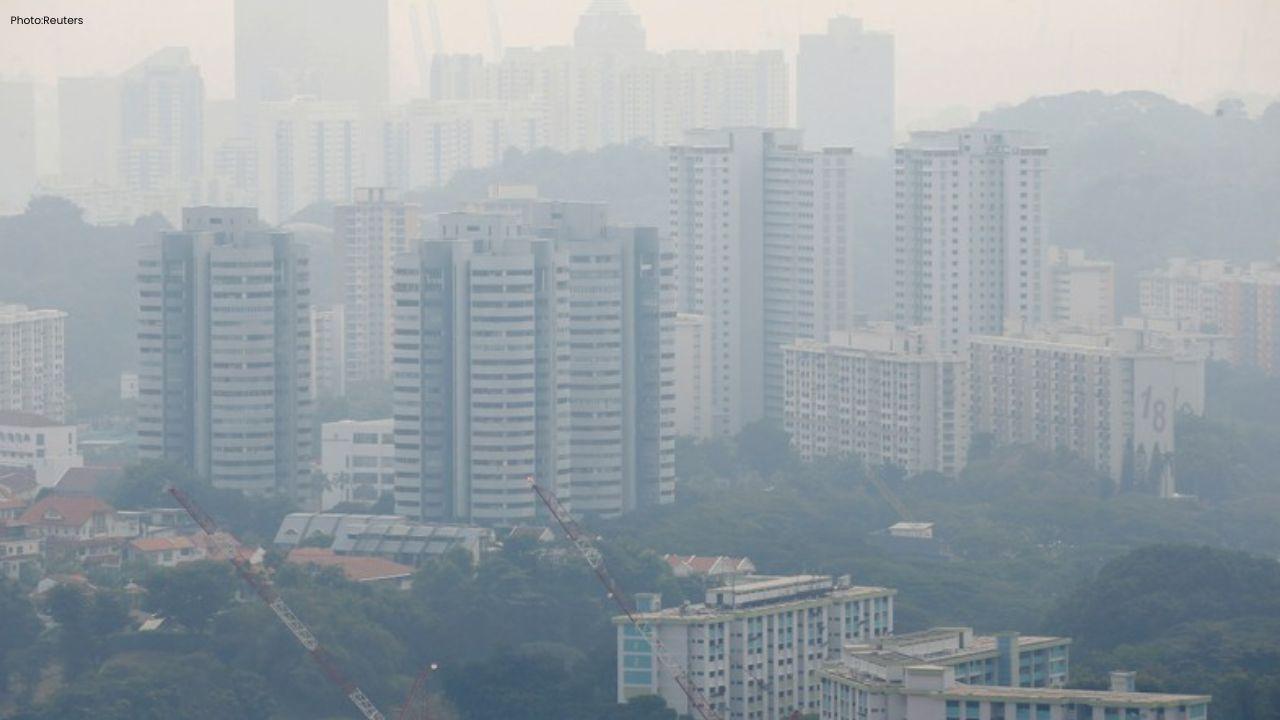
Air Quality Back At Unhealthy Levels In Central Singapore
Singapore haze returns as central PSI crosses 100, with smoke from fires in Sumatra and Kalimantan d
Don’t Lay Off Staff To Cut Costs, Union Urges AirAsia
Nufam urges AirAsia to protect workers as rising jet fuel costs and financial pressure raise concern