
You have not yet added any article to your bookmarks!
Join 10k+ people to get notified about new posts, news and tips.
Do not worry we don't spam!
Post by : Anis Farhan
A New Era of Daily Management
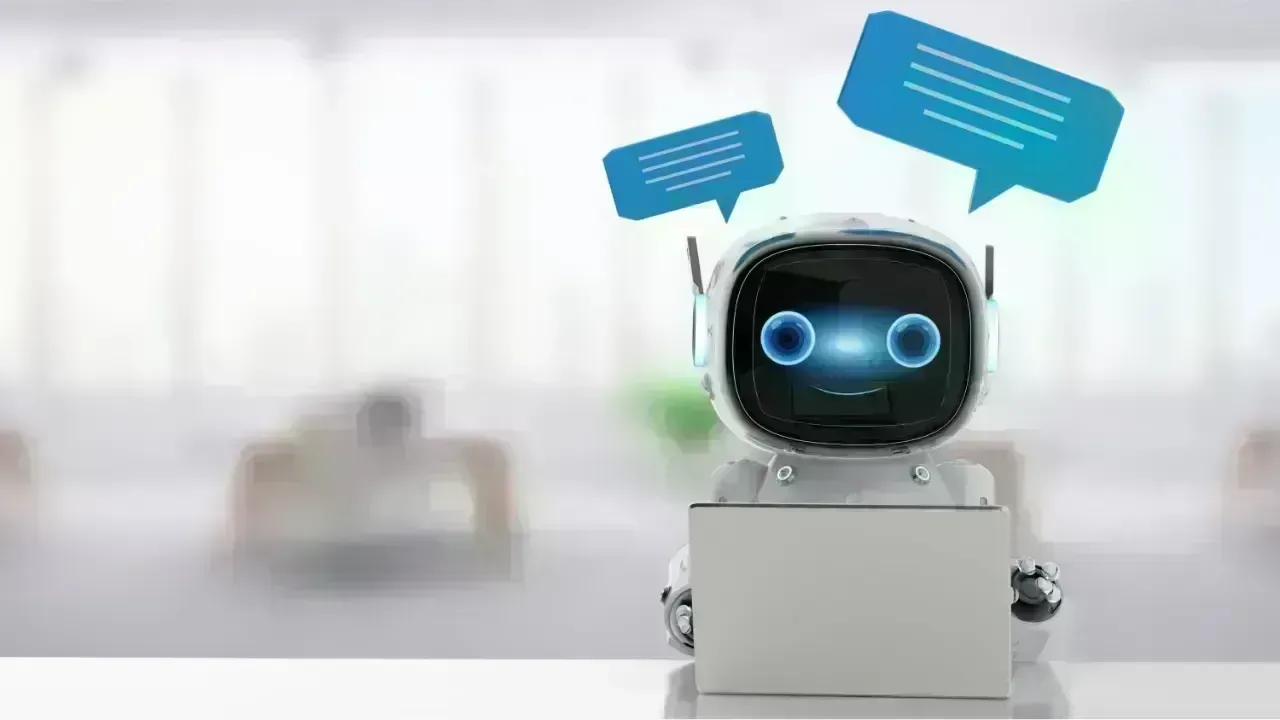
AI assistants are not just a thing of the future; they have become integral to everyday life, changing how we manage our time and tasks. Available on smartphones, laptops, and smart home devices, these tools reduce the burden of routine tasks by handling them efficiently and intuitively.
In a world where life is a whirlwind of responsibilities, AI assistants bring clarity and ease, making daily management more manageable and less stressful.
Rising Dependence on AI Assistants
As remote work becomes more common and everyday demands grow, the reliance on AI assistants is increasing. They tackle cognitive overload, helping users juggle their personal and professional lives.
Key advantages of these digital aides include:
– Immediate availability
– Reliable reminders
– Organized information
– Swift responses
– Automation of repeated tasks
– Decreased decision fatigue
– Effortless organization
Offloading minor responsibilities to an assistant allows people to focus on what matters.
Simplifying Daily Scheduling
The impact of AI assistants is most evident in planning. Tracking appointments and deadlines is simplified; just command the assistant, and it takes care of the rest.
For instance, saying, “Remind me to pay the bill tomorrow,” prompts an automatic alert. Email-based meetings can be directly added to calendars without further action. The assistant can also suggest optimal times in a packed schedule, minimizing overwhelm and maximizing balance.
This ease in scheduling significantly lowers stress and enables clearer focus.
Automating Household Chores
In households, AI assistants are redefining routine management. Tasks like checking weather forecasts, setting alarms, or managing shopping lists are now delegated to technology.
They assist with:
– Grocery list management
– Daily wake-up calls
– Home device controls
– Streaming music or news
– Cooking timers and recipe management
– Reminders for chores
By handling these smaller tasks, AI assistants allow families and busy professionals to maintain smooth daily operations.
Boosting Work Efficiency
As the shift towards remote work intensifies, AI assistants enhance workplace productivity by managing administrative tasks, freeing employees to concentrate on more significant responsibilities.
They help with:
– Meeting scheduling
– Quick email drafting
– Document summarization
– File organization
– Task lists management
– Deadline tracking
– Work hour management
The ability to convert spoken commands into completed tasks streamlines workflows and minimizes distractions.
Assistance in Decision-Making
AI assistants also function as valuable decision-making aids. Users often feel inundated by information when faced with choices, such as purchasing decisions or scheduling routes. These assistants summarize data and offer recommendations.
With capabilities to compare prices or suggest alternatives, AI assistants save time and help users make faster, informed choices.
Facilitating Learning and Growth
In addition, AI assistants are emerging as powerful educational tools. They provide clarity, assist with vocabulary, summarize concepts, and support learners of all ages.
Use cases include:
– Answering questions
– Language practice
– Study reminders
– Educational notes and explanations
– Tracking learning goals
This is particularly valuable for self-learners seeking growth at their own pace.
Enhancing Accessibility for All
For individuals facing mobility challenges, AI assistants provide true empowerment through voice-controlled commands for managing daily tasks independently.
Benefits include:
– Voice interactions
– Hands-free device management
– Accessible message reading
– Simple home adjustments
– Enhanced independence
This inclusive capability elevates the value of AI assistants beyond mere convenience.
Mitigating Digital Overload
Ironically, while technology simplifies tasks, it can also add to mental clutter. Constant alerts and updates create pressure. AI assistants manage this by organizing information and filtering out distractions.
They combat overload with:
– Intelligent notifications
– Sorting priorities
– Focused quiet hours
– Summarized updates
– Rapid responses
This leads users towards a more structured and calm digital lifestyle.
Personalizing the User Experience
AI assistants increasingly tailor their responses based on user behavior, remembering specific preferences and habits to deliver personalized suggestions.
Examples include:
– Notifications for timely departures
– Alerts about seasonal tasks
– Daily briefings
– Personalized productivity strategies
– Break reminders during extensive work sessions
This tailored approach enhances user satisfaction.
Role of AI Assistants in Family Life
Within family dynamics, AI assistants serve various roles. Children may engage with them for entertainment, while parents use them for organizing family life.
Common applications include:
– Project deadlines reminders
– Household task alerts
– Inter-room announcements
– Coordinated shopping lists
– Shared family calendars
AI assistants help families manage their daily lives more effectively.
Shifts in Lifestyle Practices
The growing presence of AI assistants symbolizes a fundamental lifestyle change; people crave simplicity amidst life’s chaos. Sharing routine responsibilities with a digital partner redefines our approach to daily tasks.
Rather than managing everything solo, individuals can delegate tasks to accessible digital allies ensuring a more balanced life.
Encouraging Positive Habit Formation
Establishing new habits is streamlined as consistent reminders and support are offered by AI assistants. They promote routines like drinking water, exercise breaks, or study schedules.
Regular prompts lead to sustained behavior changes, ultimately driving significant personal development.
Emphasizing Data Privacy
With increased usage comes the need for privacy and responsible data management. Users are more inclined to engage with transparency features, consent choices, and data control.
This shift points towards an increasingly informed user base concerning their digital footprints.
The Future of AI as Everyday Companions
The evolution of AI assistants will continue as they grow more conversational and integrated into daily life. Rather than adapting to technology, the technology will adapt to users.
The subtle integration of AI into daily routines marks a move towards a more relaxed, organized existence, with digital helpers becoming critical to maintaining balance.
Disclaimer:
This article serves informational and educational purposes. Users should evaluate privacy settings to promote responsible digital tool usage.









Nvidia Pledges $250 Million for UK AI Safety Research
Nvidia will provide $250 million in computing resources over five years to support AI safety researc

Jacob Bethell Returns as England Name Squads for Australia Tour
England name ODI and T20 squads for the Australia tour, with Jacob Bethell returning from injury and

Beauden Barrett Opens Up About Mental Struggles During All Blacks Exile
Beauden Barrett discusses his confidence struggles after missing six tests, his return against Austr

IMF Says AI Investment Supports Global Growth Despite Energy Shock
IMF says AI investment is supporting global growth near 3%, with Asian economies benefiting from ris

Will O'Rourke Ruled Out of New Zealand's India Series
New Zealand fast bowler Will O'Rourke will miss the India series with hamstring and calf injuries as

AI Companies Expected to Drive Most US Earnings Growth in Q3
AI companies are expected to drive US third-quarter earnings growth as investors assess tech profits

