You have not yet added any article to your bookmarks!
Join 10k+ people to get notified about new posts, news and tips.
Do not worry we don't spam!
Post by : Rohit Dhiman
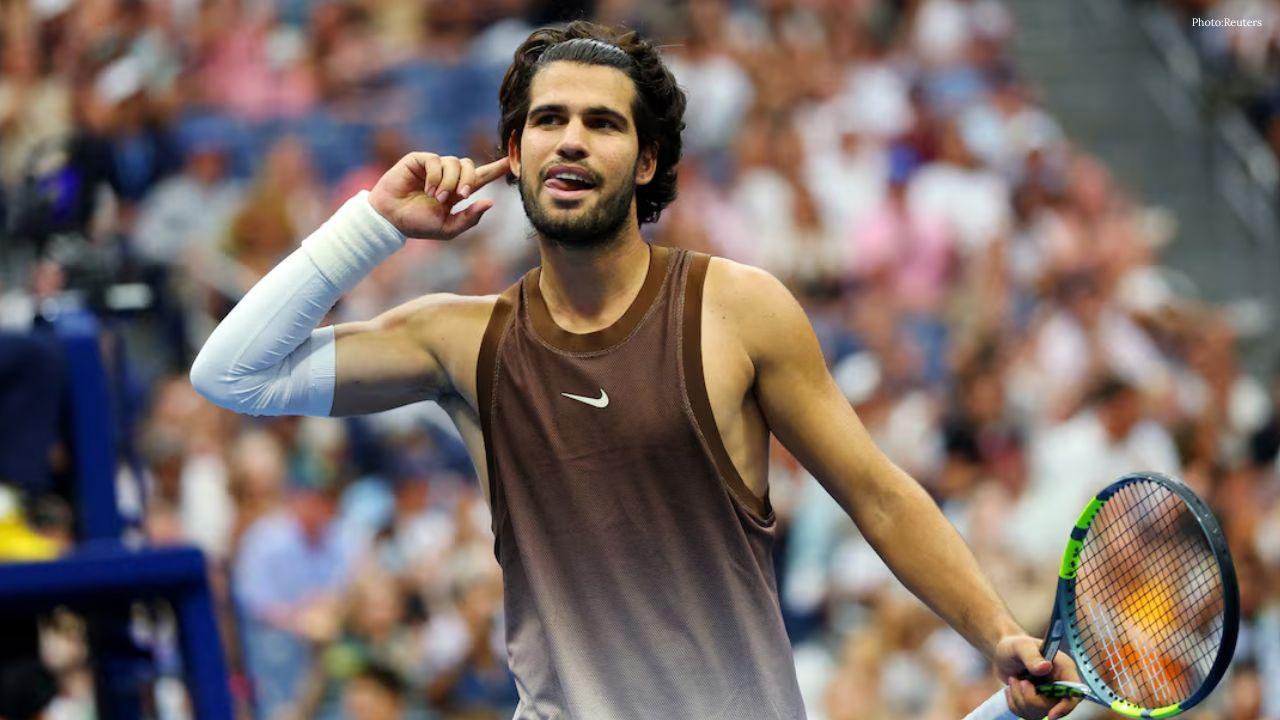
Carlos Alcaraz has indicated that he intends to make more room for rest in his future schedule, arguing that the increasingly demanding professional tennis calendar is placing excessive physical pressure on players. The Spanish star returned to competitive action at the US Open following a lengthy absence caused by a wrist problem. His comeback has also prompted him to reassess how frequently he competes throughout the season. Alcaraz believes players cannot realistically participate in every major tournament without eventually facing fatigue or increasing their chances of suffering an injury. The world number three now appears ready to make selective withdrawals from tournaments so that he can remain physically prepared for the most important competitions. His comments have once again brought the issue of the ATP Tour schedule and player workload into the spotlight.
Alcaraz wants additional time away from competition because the modern tennis season requires leading players to compete for much of the year. With major tournaments, Masters events and other competitions occupying the calendar, players who attempt to participate in almost everything can spend a large part of the year travelling and competing. Alcaraz believes this leaves insufficient time for proper physical recovery. Instead of waiting for another injury to force him away from tennis, he intends to plan rest periods in advance. His approach could mean skipping selected tournaments and returning to competition only when he feels physically prepared.
Alcaraz's recent wrist injury has influenced his thinking about workload and recovery. The Spaniard spent a significant period away from competition while recovering before returning at the US Open. The experience appears to have reinforced the importance of managing his body throughout a long season. Rather than treating every tournament as compulsory, Alcaraz now wants to build a more balanced schedule around major objectives. For a player competing at the highest level, managing physical condition can be just as important as improving technique or maintaining match rhythm.
The professional tennis calendar has become increasingly demanding in recent seasons. Several ATP Masters 1000 tournaments have adopted longer formats, meaning some major events now occupy more days on the annual calendar. For elite players, the challenge is not limited to individual matches. They must also deal with international travel, changing surfaces, training sessions and recovery between tournaments. The result is a season in which top players can spend a very large number of weeks either competing or preparing for competition. Alcaraz believes this structure can make it difficult for players to maintain peak physical condition throughout the year.
The modern tennis season takes players across different countries and continents, with tournaments being held on hard courts, clay and grass. Constant movement between locations adds another layer of physical and mental stress. Players must adjust quickly to new courts, weather conditions, time zones and playing environments. For leading athletes, every tournament also brings expectations to perform at the highest level. The combination of travel, competition and limited recovery time can contribute to fatigue. This is why concerns surrounding the tennis schedule have become increasingly important among players and teams.
Alcaraz has suggested that his future planning could include breaks lasting several weeks. Rather than disappearing from the sport for an extended period, his preference is to take shorter but meaningful recovery periods during the season. This could involve missing certain tournaments that do not fit his physical or competitive priorities. The strategy would allow him to focus more strongly on major events while reducing unnecessary workload. For Alcaraz, the objective is not to play fewer matches simply for convenience but to improve his ability to remain healthy and competitive over a longer career.
Alcaraz also pointed to the number of prominent players who have experienced physical problems. Several established and emerging names were absent from this year's US Open because of injuries. Jannik Sinner, Jack Draper, Holger Rune and Joao Fonseca were among the players who missed the tournament. Their absences have added to wider concerns about whether the current structure of professional tennis is demanding too much from athletes. The issue is particularly important for younger players, who are trying to establish themselves while competing against experienced stars across a long season.
The increasing number of important tournaments means elite players face difficult decisions when creating their annual calendars. Although players have some control over which events they enter, certain competitions carry significant importance or participation requirements. A player trying to compete in every major event can end up spending close to the entire year on the professional circuit. That can reduce opportunities for training, recovery and injury prevention. Alcaraz believes the sport needs to pay greater attention to the physical demands being placed on players before the injury situation becomes even more serious.
The ATP has previously maintained that players have control over their individual schedules and can decide how they structure their seasons. The organisation has also said that it is working toward encouraging an appropriate number of matches for players. However, the growth of several major events has created a difficult balance. Players want ranking points, titles and opportunities to compete at major tournaments, while their bodies require sufficient recovery time. This tension has become one of the central challenges facing modern professional tennis.
Grand Slam tournaments remain the biggest objectives for leading players, but Masters 1000 events also carry substantial ranking and competitive importance. With several Masters events now running for longer periods, players have fewer natural gaps in the calendar. For athletes targeting the top of the rankings, skipping too many major tournaments can also have competitive consequences. This creates a difficult choice: compete frequently and risk exhaustion, or rest more often and potentially sacrifice ranking opportunities. Alcaraz appears increasingly willing to choose the second option when he believes his health requires it.
The Spanish player is still at an early stage of his career, making physical management especially important. A long professional career requires athletes to protect their bodies rather than simply maximise the number of tournaments they play each season. Alcaraz's latest comments suggest that he is thinking beyond individual tournaments and focusing on maintaining his highest level for many years. His planned breaks could therefore become part of a broader strategy aimed at avoiding repeated injuries and maintaining consistency.
Read Also: US Missile Strike Allegedly Claims Four Lives at Wedding in Iran
If Alcaraz follows through with a more selective tournament schedule, other leading players could also consider similar approaches. Top athletes increasingly have to balance ranking ambitions with recovery and long-term health. A greater focus on rest could potentially reduce fatigue and allow players to arrive at major tournaments in better physical condition. However, taking time away from competition can also mean losing match practice and ranking opportunities. The effectiveness of the strategy will depend on how carefully Alcaraz chooses which tournaments to play and when to rest.
Alcaraz's return to the US Open provides an important example of why workload management matters. After spending time away because of his wrist issue, he returned to the competition with the challenge of rebuilding match fitness while avoiding another setback. His approach now appears to be centred on quality rather than simply quantity. The goal is to remain healthy enough to perform strongly when the biggest tournaments arrive.

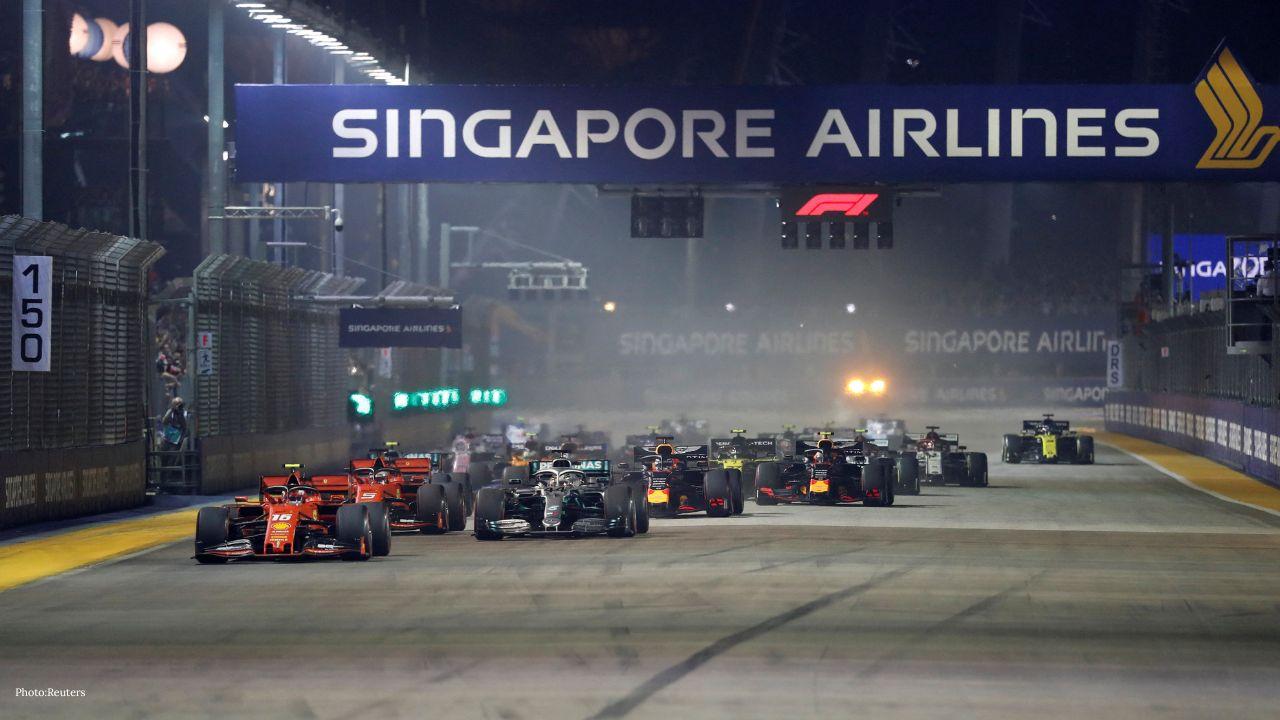






2026 F1 Singapore Grand Prix: Major Road Closures Announced
Major roads will close for the F1 Singapore Grand Prix 2026 from Oct 7 to Oct 13, with public transp

Smriti Mandhana Becomes Women's Cricket's Leading Run-Scorer
Smriti Mandhana becomes the leading women's cricket run-scorer after a record century against Hong K

France Begins Road Tests of Tesla Self-Driving Technology
France begins testing Tesla FSD on public roads as Europe considers wider approval of the technology

CapitaLand Investment Lays Off About 90 Employees in Singapore
CapitaLand Investment has cut about 90 jobs in Singapore during a restructuring exercise, affecting

Japan to Make Driving Tests Harder for Some Older Motorists
Japan will tighten driving tests for some elderly motorists as authorities address rising accidents

Alcaraz Raises Concerns, Says Busy Schedule Is Increasing Injury Risk
Carlos Alcaraz plans longer breaks as the packed tennis calendar raises concerns over player fatigue