You have not yet added any article to your bookmarks!
Join 10k+ people to get notified about new posts, news and tips.
Do not worry we don't spam!
Post by : Rohit Dhiman
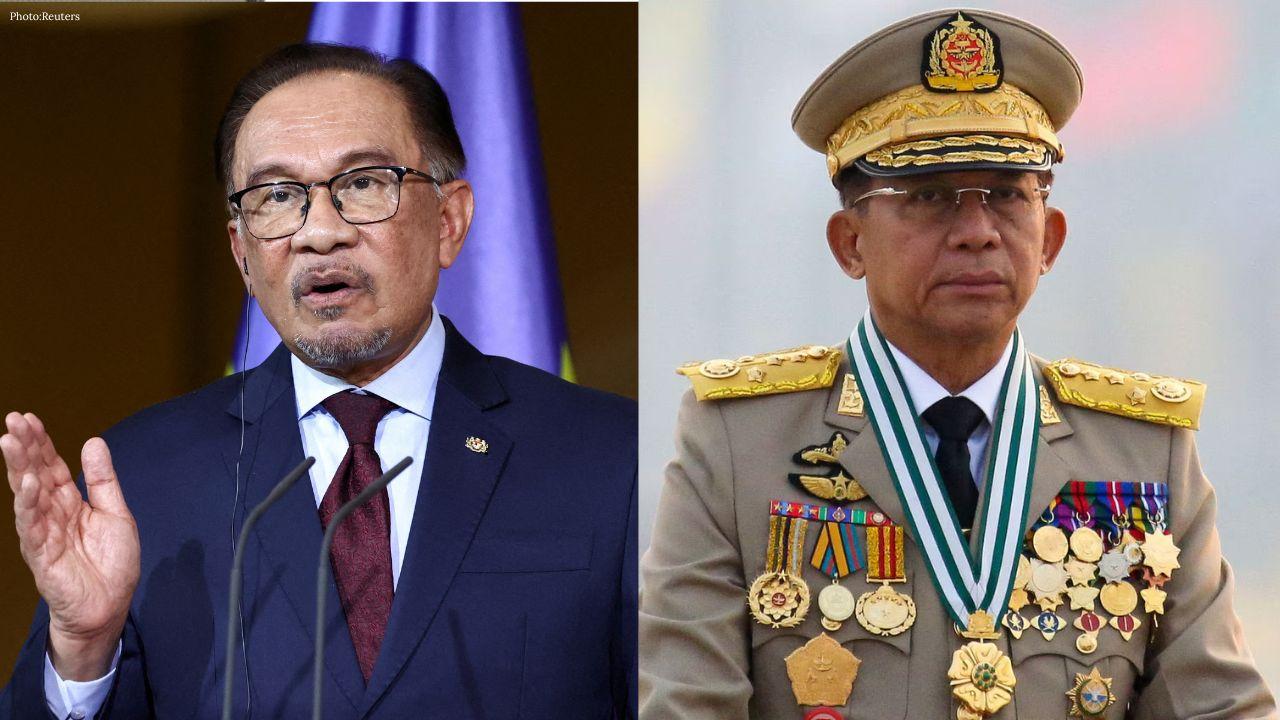
Malaysian Prime Minister Anwar Ibrahim has said he plans to invite Myanmar President Min Aung Hlaing to Malaysia as part of efforts to accelerate the return of Rohingya refugees currently living in the country. Anwar said the proposed diplomatic engagement was intended to find a longer-term solution to an issue that has remained a major challenge for Malaysia. He said discussions with Myanmar should focus on the country's willingness to receive its nationals back and on creating an organised process for their return. The prime minister said Myanmar had previously agreed to accept 5,000 people in stages. The initial arrangement was presented as a first step towards a larger process rather than an immediate return of the entire population.
Anwar said Malaysia could work with Myanmar on a phased arrangement if it was not possible to receive a very large number of people at one time. His comments underline the Malaysian government's preference for a gradual process rather than attempting to organise the return of a much larger population in a single operation. The prime minister said Malaysia was also prepared to help with practical expenses connected with the repatriation process, including clothing, food and transportation costs. He argued that providing logistical support for the return process could be less expensive than maintaining people in immigration detention facilities for extended periods. The issue has become increasingly important as Malaysia manages a sizeable population of refugees and asylum seekers, including a large Rohingya community from Myanmar. Recent government figures cited by Reuters said Malaysia hosts more than 215,000 refugees and asylum seekers registered with the UN refugee agency, including more than 126,000 Rohingya.
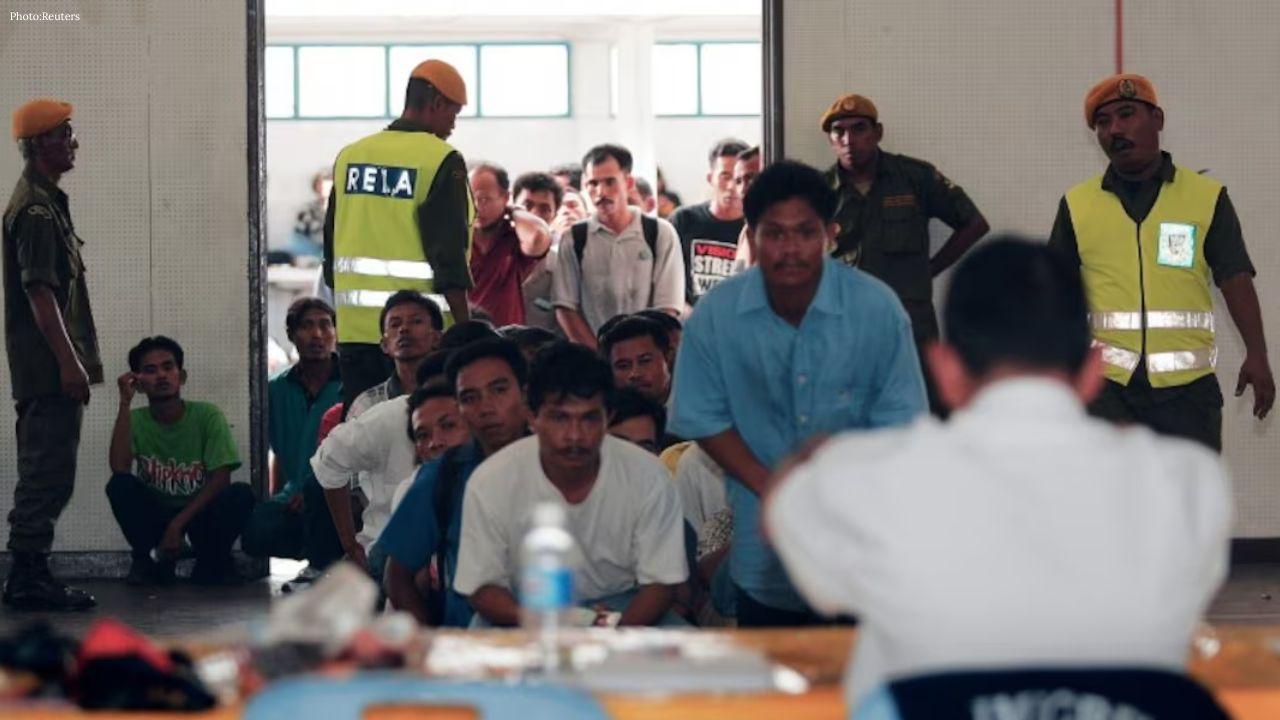
Malaysia has already moved from discussions towards implementing the first phase of the repatriation arrangement. The Home Ministry announced in August that 1,476 eligible Myanmar nationals who had agreed to return would be sent back on September 29. The group is part of the larger 5,000-person programme agreed with Myanmar. The Malaysian government said the operation would involve two Myanmar naval warships and a hospital ship. The date was agreed following coordination between the Home Ministry, Foreign Ministry, National Security Council and Defence Ministry, with logistical requirements taken into account. The arrangement is being described by Malaysian authorities as a voluntary repatriation programme. The government has also said that it will continue identifying people who are eligible and willing to return.
The proposed return of Rohingya refugees has attracted international attention because of the continuing security and humanitarian situation in Myanmar. Rohingya people have faced persecution and displacement for years, particularly in Myanmar's Rakhine State. Many fled the country during the major displacement crisis that began in 2017, while others have subsequently sought safety in neighbouring countries. Human rights organisations have raised concerns about returning Rohingya people to Myanmar while serious security and human rights risks remain. Human Rights Watch has called on Malaysia to reconsider returns that could expose refugees to persecution or other serious abuses. Amnesty International Malaysia has similarly criticised the planned returns, arguing that conditions in Myanmar remain unsafe for Rohingya refugees.
The Malaysian government has stressed that the issue cannot be addressed by Malaysia alone because the refugees' country of origin is Myanmar. Bernama reported that more than 95% of refugees in Malaysia come from Myanmar, including Rohingya, Chin, Karen and Mon communities. The Home Ministry said the government would continue direct diplomatic negotiations with Myanmar to ensure that any return process is carried out in an orderly and dignified manner and with agreement between both countries. The planned invitation to Min Aung Hlaing is therefore part of a wider diplomatic effort surrounding the issue. Anwar has indicated that Malaysia can maintain relations and trade with Myanmar while also pressing the Myanmar government to take responsibility for receiving people who are eligible to return.
Anwar has also indicated that Malaysia is willing to cover certain logistical expenses associated with the return process. These could include basic necessities such as clothing and food, as well as transportation costs. The Malaysian prime minister argued that helping people return could be financially more manageable than keeping them in detention facilities, where daily expenses are incurred. The proposal reflects the government's attempt to combine diplomatic negotiations with practical arrangements that could make a phased return possible. However, the process also involves verification of identities, nationality and eligibility. Malaysia has said that authorities are carrying out checks before individuals are included in the repatriation programme.
The planned invitation to Min Aung Hlaing comes as Myanmar's government seeks greater engagement with Southeast Asian countries. The Myanmar government has already been coordinating with Malaysian authorities over the return of nationals from immigration detention facilities. Myanmar's Foreign Ministry said in early September that arrangements had been made for 1,476 verified Myanmar nationals to return on September 28 and 29, following coordination between the two governments. This coordination shows that the repatriation process involves several stages, including identification, verification, documentation, transportation and arrangements for receiving returnees after they reach Myanmar.
For Malaysia, the issue involves immigration management, humanitarian considerations, public concerns and relations with Myanmar. For Myanmar, accepting returnees would require authorities to receive and process people returning from Malaysia after periods of displacement or detention. The two governments therefore need to coordinate on the practical and security aspects of the programme. The first phase involving 1,476 people is expected to provide a test of how the broader arrangement involving 5,000 Myanmar nationals can be implemented. The eventual scope of the programme will depend on eligibility checks, individual consent where applicable, diplomatic coordination and assessments of conditions for those returning.
Anwar wants to use direct diplomatic engagement with Myanmar to discuss and accelerate the phased return of eligible Myanmar nationals, including Rohingya refugees.
Read Also: 150 Indonesian Nationals Deported From Johor Over Immigration Offences
Myanmar has agreed to receive 5,000 people under the phased repatriation arrangement announced by Malaysia.
Malaysia has announced September 29, 2026, for the first phase involving 1,476 eligible Myanmar nationals.
No. The Malaysian government has described the process as phased, with the first group involving 1,476 people.
Malaysia's Home Ministry said the first repatriation operation will use two Myanmar naval warships and a hospital ship.
Human rights organisations have raised concerns about the safety of returning Rohingya refugees to Myanmar because of continuing conflict and reported risks of persecution and human rights abuses.
The issue connects Malaysia, Myanmar, and the wider Southeast Asian region. Malaysia hosts a large population of refugees and asylum seekers, with Rohingya from Myanmar forming the country's largest refugee community. The proposed repatriation programme involves direct coordination between Malaysian authorities and the Myanmar government. Malaysia's Home Ministry, Foreign Ministry, National Security Council and Defence Ministry have been involved in planning the first phase, while Myanmar authorities are preparing to receive the returnees.





Avinash Sable Overcomes Hurdle Fear Ahead of Asian Games Title Defence
Avinash Sable returns after injury as he targets the Asian Games title, with Asian Games 2026 and In
Grab to Expand Autonomous Vehicle Fleet from 10 to 50 in Singapore
Grab will expand its autonomous vehicle fleet from 10 to 50 in Singapore, with new AV services plann

Judge Refuses to Record RM1.7mil Road Accident Settlement
Malaysia High Court says court approval is needed before a RM1.7 million road accident settlement in
Tesla Establishes Vietnam Unit in Major Southeast Asian Market
Tesla establishes a Vietnam unit with $3 million capital, opening a new route into the country's gro

Lamine Yamal Says Mbappe Is His Only Ballon d'Or Rival
Lamine Yamal says Kylian Mbappe is his only Ballon d'Or rival after World Cup success and another La
PM Modi Presents Putin Russian Translation of Thirukkural at BRICS Summit
PM Modi gifts Putin a Russian Thirukkural translation, highlighting India-Russia ties and the global