
You have not yet added any article to your bookmarks!
Join 10k+ people to get notified about new posts, news and tips.
Do not worry we don't spam!

Post by : Anis Farhan
In a landmark development that could redefine the political landscape of the South Caucasus, Armenia and Azerbaijan have signed a historic peace agreement after decades of hostility and intermittent warfare. The deal, finalized after months of intensive negotiations facilitated by international mediators, marks the most significant diplomatic breakthrough in the region since the dissolution of the Soviet Union. For generations who have known nothing but conflict and mistrust, this moment brings a glimmer of hope for lasting peace and stability in a region long plagued by bloodshed.
The Armenia-Azerbaijan conflict, primarily centered around the Nagorno-Karabakh region, has deep historical roots dating back to the early 20th century. Both nations have laid claim to this mountainous enclave, which has been predominantly populated by ethnic Armenians but internationally recognized as part of Azerbaijan. The disintegration of the Soviet Union in the early 1990s escalated tensions into a full-scale war, resulting in tens of thousands of deaths and the displacement of over a million people.
The 1994 ceasefire brought an uneasy truce but left the underlying issues unresolved. Sporadic skirmishes became common along the border, and the 2020 war marked one of the most devastating episodes in recent history, altering territorial dynamics and fueling fresh resentment. Against this backdrop, the signing of a peace agreement represents a seismic shift—one that many had deemed impossible just a few years ago.
The signing of this treaty was neither swift nor simple. Diplomatic efforts intensified in early 2025, with both governments signaling a rare willingness to compromise. Several factors contributed to this breakthrough:
War Fatigue: After decades of intermittent fighting and economic hardship, public sentiment in both countries leaned heavily toward peace. Citizens on both sides expressed frustration over the human and financial cost of continued hostility.
Geopolitical Pressure: Regional powers and global stakeholders—including Russia, Turkey, the European Union, and the United States—played pivotal roles in pushing for dialogue. The shifting dynamics in global energy markets and the need for regional stability amplified international interest in resolving this conflict.
Economic Incentives: Both nations recognized the potential economic dividends of peace. From infrastructure development to trade routes connecting Europe and Asia, the South Caucasus holds immense strategic value. Peace would unlock opportunities that prolonged conflict had kept out of reach.
Negotiations took place over several rounds in neutral locations, culminating in a marathon session where final agreements were hammered out. Observers noted that both sides displayed an unprecedented level of pragmatism, driven by a shared understanding that peace was the only viable path forward.
The newly signed peace deal addresses multiple contentious issues that have fueled decades of hostility:
Demarcation of Borders: The agreement establishes a clear and mutually accepted border between Armenia and Azerbaijan, ending years of ambiguity and disputes over territorial control.
Special Status for Nagorno-Karabakh: While Nagorno-Karabakh remains part of Azerbaijan under international law, the deal provides for significant cultural autonomy and local governance rights for its ethnic Armenian population. This compromise is designed to protect minority rights while preserving Azerbaijan’s territorial integrity.
Return of Displaced Persons: Both countries have committed to facilitating the safe return of refugees and internally displaced persons, with international organizations overseeing the process to ensure transparency and fairness.
Demilitarization Zones: Certain high-tension areas along the former line of contact will be transformed into demilitarized zones, monitored by international peacekeeping forces for an initial period of five years.
Economic Cooperation: A cornerstone of the agreement is the establishment of new trade corridors, infrastructure projects, and energy partnerships. These initiatives aim to integrate the region into broader economic frameworks, fostering interdependence that can reinforce peace.
World leaders and international organizations have welcomed the agreement as a rare success story in a world increasingly marked by geopolitical strife. The United Nations Secretary-General hailed it as a “milestone for peace and a beacon of hope,” while the European Union pledged economic aid packages to support post-conflict reconstruction and reconciliation.
However, experts caution that signing a treaty is only the first step. The real test lies in its implementation. Ensuring compliance, rebuilding trust, and addressing the psychological scars of decades-long hostility will require sustained effort and vigilance. There is also the challenge of neutralizing spoilers—hardline factions and political actors who may attempt to derail the process for ideological or strategic reasons.
Perhaps the most poignant reactions come from ordinary Armenians and Azerbaijanis who have lived through the horrors of war. For families separated for decades, the prospect of reunification brings overwhelming relief. Farmers envision a future where they can till their fields without fear of artillery fire, and students dream of studying without the shadow of conflict hanging over their heads.
Social media platforms in both countries have been flooded with messages of cautious optimism. Hashtags calling for peace and unity have trended for days, signaling a generational shift in attitudes. While skepticism persists—rooted in the painful legacy of broken promises—there is a palpable sense of hope that this time might truly be different.
Even as celebrations erupt in diplomatic circles, experts underscore the complexity of transitioning from conflict to coexistence. Among the immediate challenges:
De-Mining Operations: Vast swaths of the former conflict zone remain riddled with landmines and unexploded ordnance, posing a grave risk to civilians and delaying resettlement efforts.
Reintegration of Communities: Rebuilding trust between ethnic Armenians and Azerbaijanis will take more than political agreements. It demands grassroots initiatives, cultural exchanges, and sustained dialogue to heal deep-seated animosities.
Political Volatility: Domestic politics in both countries could threaten the stability of the agreement. Nationalist rhetoric, if left unchecked, has the potential to undermine the fragile consensus.
Economic Dependencies: While economic cooperation is a pillar of the agreement, disparities in development and resource distribution must be managed carefully to prevent new grievances.
The peace deal between Armenia and Azerbaijan is not just a bilateral achievement; it has far-reaching implications for regional geopolitics. The South Caucasus occupies a strategic position as a bridge between Europe and Asia, hosting vital energy corridors and trade routes. Stability in this region could enhance connectivity projects like the Middle Corridor, reduce dependency on volatile routes, and attract foreign investment.
For global powers, the agreement represents an opportunity to recalibrate their engagement in the region. Russia, traditionally a key player in the South Caucasus, now faces a new dynamic where Western and Turkish involvement could increase. Balancing these influences will be critical to preventing new geopolitical rivalries from destabilizing the fragile peace.
If successfully implemented, the Armenia-Azerbaijan peace agreement could serve as a blueprint for resolving other protracted conflicts worldwide. It demonstrates that even the most entrenched disputes can find resolution through dialogue, compromise, and the recognition of shared interests. For younger generations in Armenia and Azerbaijan, this treaty offers a chance to redefine their identities—not as adversaries, but as partners in building a peaceful, prosperous future.
The symbolism of this moment cannot be overstated. In a world grappling with wars, humanitarian crises, and climate disasters, the image of two nations laying down arms and extending hands of friendship resonates far beyond the borders of the South Caucasus. It is a testament to the enduring human capacity for change, resilience, and hope.
Peace is rarely perfect, and no treaty can erase decades of suffering overnight. But with courage, vigilance, and goodwill, Armenia and Azerbaijan have taken a decisive step toward breaking the cycle of violence. The road ahead will be long and fraught with challenges, but for the first time in generations, it is a road that leads toward a horizon of peace rather than the abyss of war.
The information provided in this article is based on publicly available reports, expert opinions, and official statements at the time of writing. While every effort has been made to ensure accuracy, geopolitical situations can evolve rapidly. Readers are advised to follow verified sources and official announcements for the latest updates. This article is intended for informational and educational purposes only.







Google Signs 3.6-GW Power Deal With Constellation Energy in US
Google signs a 3.6-GW power deal with Constellation Energy, including nuclear power upgrades to supp

Harmanpreet Kaur Steps Down as India Captain Across All Formats
Harmanpreet Kaur steps down as India captain across all formats after a remarkable leadership journe

Michael Bracewell Chooses Casual Contract, Targets BBL Opportunity
Michael Bracewell moves to a casual contract as he eyes a BBL opportunity while remaining available

Tuchel Says Alex Scott Can Challenge Declan Rice for England Midfield Spot
Thomas Tuchel says Alex Scott can challenge Declan Rice for an England midfield place after his impr
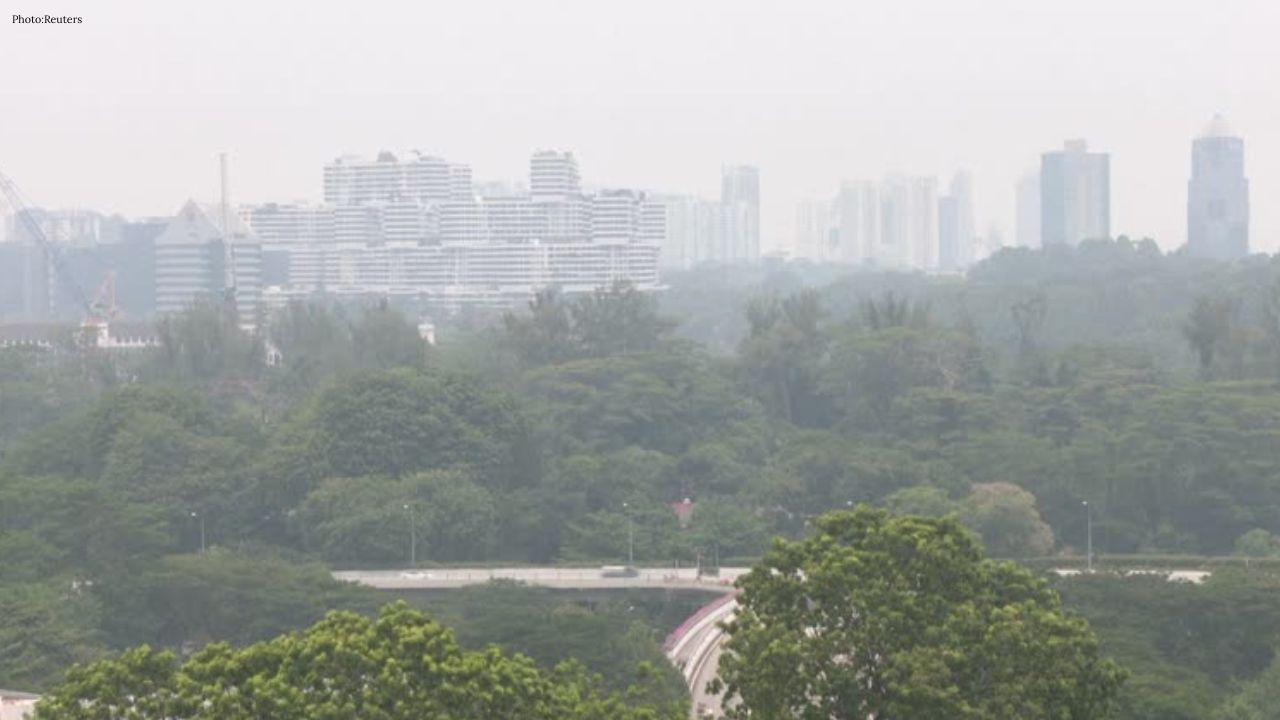
Air Quality Turns Unhealthy in Central and Western Singapore Amid Haze
Singapore haze pushes PSI above 100 in central and western areas as smoke from regional hotspots rai

PM Modi Pays Tribute to Mahatma Gandhi, Urges People to Support Khadi
PM Modi pays tribute to Mahatma Gandhi on Gandhi Jayanti and urges citizens to support Khadi and the

