
You have not yet added any article to your bookmarks!
Join 10k+ people to get notified about new posts, news and tips.
Do not worry we don't spam!
Post by : Rameen Ariff
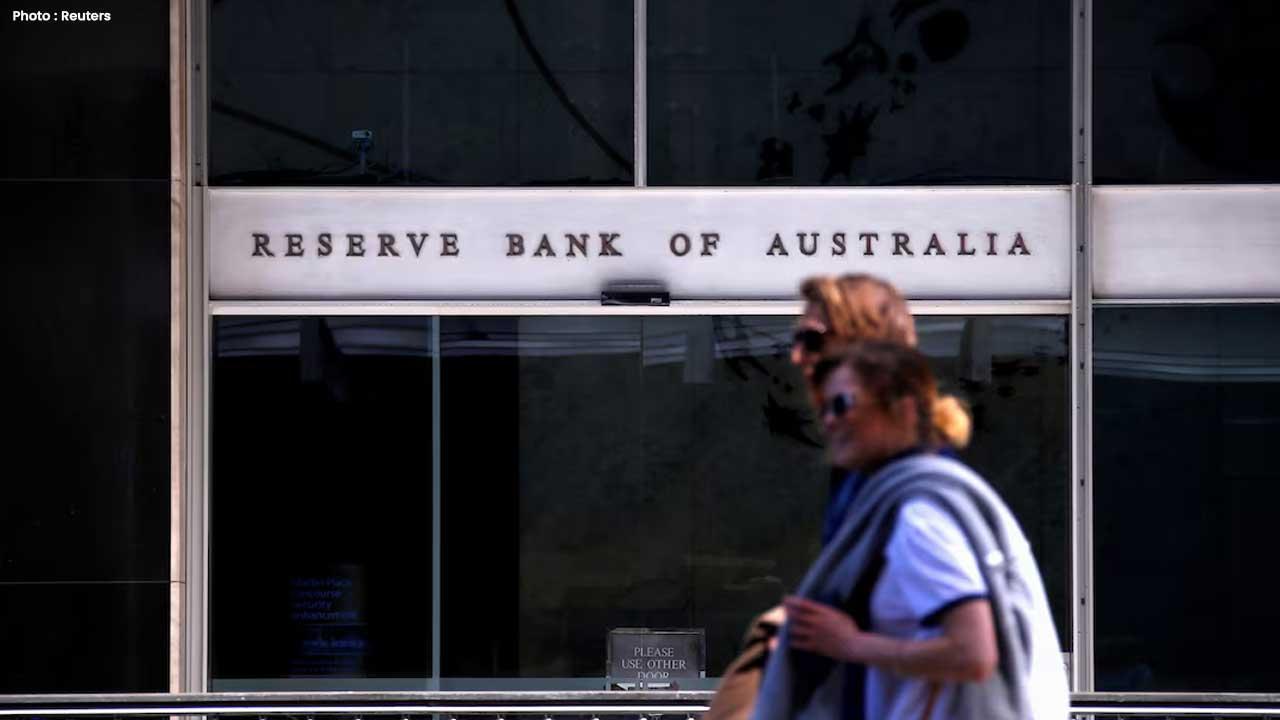
Australia’s central bank on Tuesday decided to leave its key cash rate unchanged at 3.60%, as expected by market analysts, signaling a cautious approach amid growing concerns over inflation. The Reserve Bank of Australia (RBA) concluded a two-day monetary policy meeting, stating that domestic demand had been stronger than anticipated, which could contribute to additional price pressures across the economy.
Officials emphasized that while the rate remains steady for now, it would take time to fully assess the persistence of inflation before considering future rate adjustments. “We are carefully monitoring economic conditions and price trends,” the RBA noted, highlighting that inflationary pressures had shifted slightly to the upside.
Markets had already anticipated no change this week, following recent reports of strong consumer demand and elevated inflation readings. Investors now see a higher possibility of a rate hike sometime next year, as the central bank balances the need to maintain economic growth with controlling rising prices.
The RBA’s statement reflects its measured approach to managing the Australian economy. By holding rates steady, the bank aims to give policymakers time to evaluate how persistent inflation pressures may be, while signaling that it remains ready to act if price growth continues. Strong domestic consumption and resilient economic activity have kept the risk of inflation elevated, prompting the bank to remain vigilant.
Economists note that Australia’s central bank is navigating a delicate balance. Higher interest rates can help cool inflation, but too aggressive a move could slow growth and affect employment. The RBA’s latest decision underlines its commitment to careful monitoring of inflation, consumer demand, and overall economic stability.
This cautious stance by the Reserve Bank comes at a time when global economic uncertainty is high, and central banks worldwide are adjusting policies to address inflation, changing consumer behavior, and external pressures. Analysts suggest that the RBA will continue to watch monthly economic data closely before any further adjustments to the cash rate are made.
Australia’s economic outlook remains positive, with strong household spending and employment growth. However, persistent inflation remains a key concern, and the central bank’s steady stance indicates that it will prioritize stability over quick action. The RBA’s approach ensures that while the economy continues to grow, inflation does not spiral out of control, protecting Australians’ purchasing power and maintaining confidence in financial markets.










APEC Members Emphasise Safe and Responsible Use of Artificial Intelligence
APEC members discuss responsible AI use, digital innovation and data governance as China and the US

Union of European Clubs Challenge UEFA and EFC Over EU Competition Rules
UEC files an EU competition complaint against UEFA and EFC, challenging club representation, governa

Mohammed Shami Retires From Test Cricket, Eyes White-Ball Career
Mohammed Shami retires from Test cricket after 13 years, with 229 wickets. He will continue playing

Singapore Warns Users About Privacy and Security Risks of AI Agents
Singapore warns users about AI agent security risks, data privacy, online scams and unauthorised acc

Chris Lynn Completes One-Month Ban After Positive Cocaine Test
Australian cricketer Chris Lynn completes a one-month ban after a positive cocaine test during the T

Djokovic Eyes Strong Season Finish as Health Improves Ahead of Paris Masters
Novak Djokovic reports improved health and performance as he targets a strong Paris Masters finish a