
You have not yet added any article to your bookmarks!
Join 10k+ people to get notified about new posts, news and tips.
Do not worry we don't spam!
Post by : Rameen Ariff
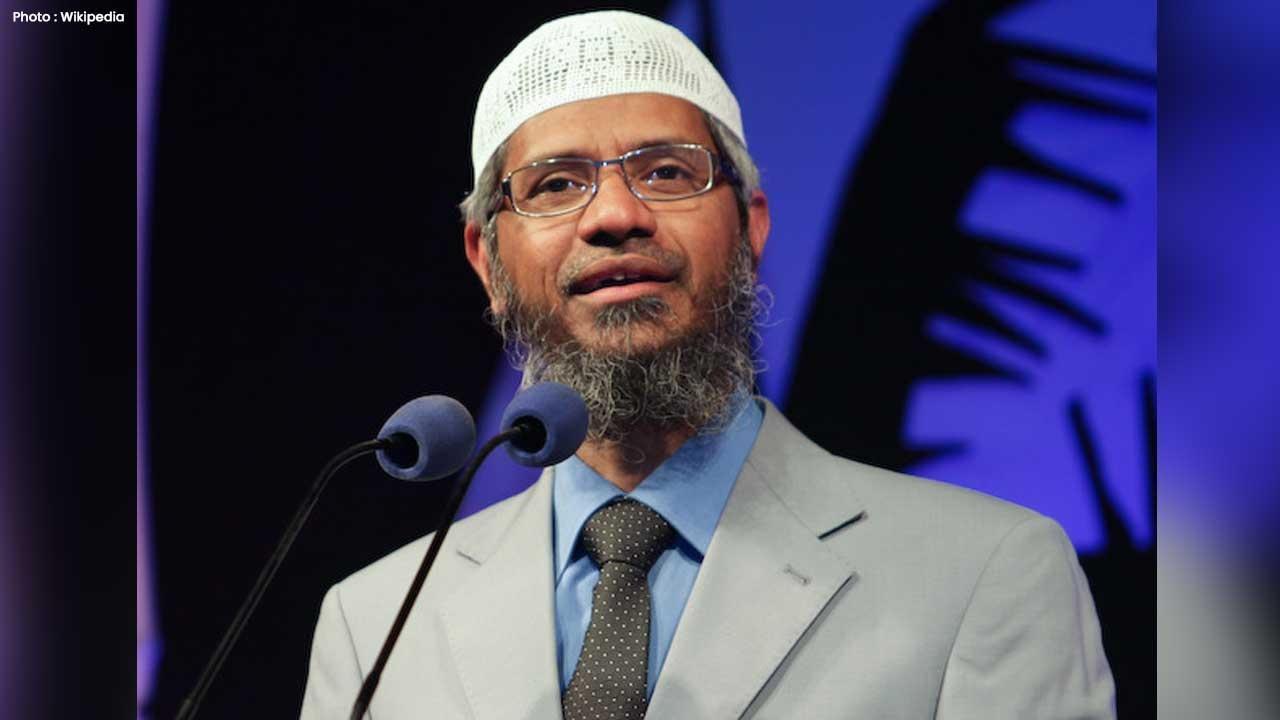
Nine years after the deadly Holey Artisan Bakery attack, Bangladesh is once again in the spotlight. The Muhammad Yunus-led administration has authorised a month-long stay for controversial preacher Zakir Naik from November 28 to December 20, a decision that has provoked strong reactions throughout the region.
Indian authorities have long accused Naik of delivering speeches that inflame communal tensions, and his Peace TV channel was barred in Bangladesh after investigators linked his rhetoric to the 2016 attackers. Critics now say the government’s move to host him signals a worrying shift in the country’s approach to radical rhetoric.
Bangladeshi officials indicate Naik will tour several cities and speak at public events. Analysts note the itinerary carries political as well as religious weight, and Indian intelligence agencies have flagged connections between his organisations and reports of forced conversions linked to groups such as the Popular Front of India (PFI).
During a recent trip to Pakistan, Naik reportedly met individuals tied to Lashkar-e-Taiba, an organisation blacklisted by the United States since 2008. Security specialists fear similar clandestine encounters could occur in Bangladesh with actors connected in some reports to Harkat-ul-Jihadi Islami (HuJI) and Jamaat-ul-Mujahideen Bangladesh (JMB), groups that have been alleged to feature in regional anti-India plotting.
The endorsement of Naik’s visit comes amid criticism of the Yunus government over alleged releases of convicted militants and questions about influence from Jamaat-e-Islami. Experts warn that openly accommodating a polarising figure may strengthen extremist networks in the wider area.
For India and other neighbours, Naik’s return is a reminder of how ideological narratives can intersect with politics. His past remarks, including the statement “If bin Laden is fighting the enemies of Islam, I am with him”, remain a focal point of concern for counter-extremism officials.
After being denied visas by the UK and Canada, Naik has lived in self-exile in Malaysia while maintaining an active presence through online platforms and satellite broadcasts in Urdu and Bangla. Observers say his renewed visibility in Bangladesh could extend his influence across the region.
Commentators are divided: some view the visit as a domestic political manoeuvre by Dhaka, while others see it as a sign of growing radical tilt. Either way, it has reopened difficult debates about extremism, governance and regional security.
As Zakir Naik prepares to land on Bangladeshi soil, governments and analysts will be watching closely to see whether the visit reignites past tensions or reveals deeper political calculations within Dhaka’s corridors of power.







Michael Bracewell Chooses Casual Contract, Targets BBL Opportunity
Michael Bracewell moves to a casual contract as he eyes a BBL opportunity while remaining available

Tuchel Says Alex Scott Can Challenge Declan Rice for England Midfield Spot
Thomas Tuchel says Alex Scott can challenge Declan Rice for an England midfield place after his impr

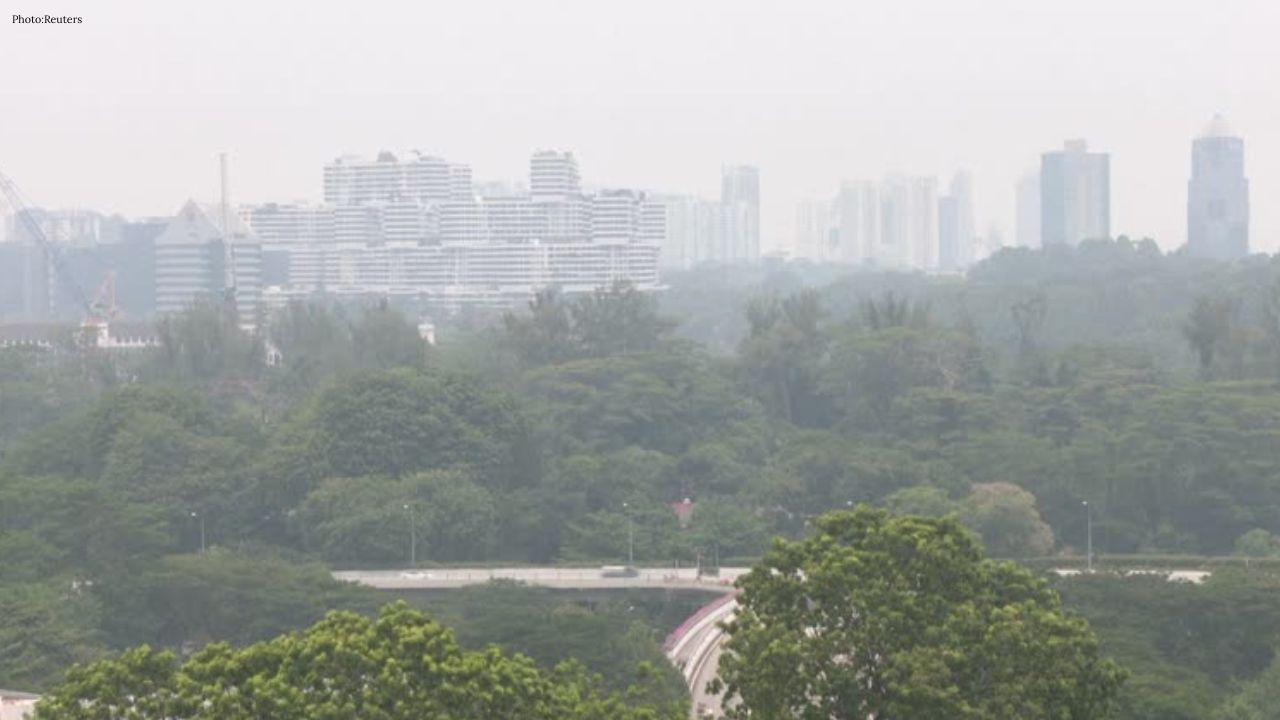
Air Quality Turns Unhealthy in Central and Western Singapore Amid Haze
Singapore haze pushes PSI above 100 in central and western areas as smoke from regional hotspots rai

PM Modi Pays Tribute to Mahatma Gandhi, Urges People to Support Khadi
PM Modi pays tribute to Mahatma Gandhi on Gandhi Jayanti and urges citizens to support Khadi and the

Amazon Seeks to Offload $8 Billion in Nvidia Chips to Investors
Amazon plans to move $8 billion in Nvidia chips to investors, using a new financing model to strengt

Samsung Raises Galaxy S26 Prices as Memory Chip Costs Rise
Samsung raises Galaxy S26 prices in South Korea as rising memory chip costs put pressure on smartpho

