You have not yet added any article to your bookmarks!
Join 10k+ people to get notified about new posts, news and tips.
Do not worry we don't spam!
Post by : Rameen Ariff
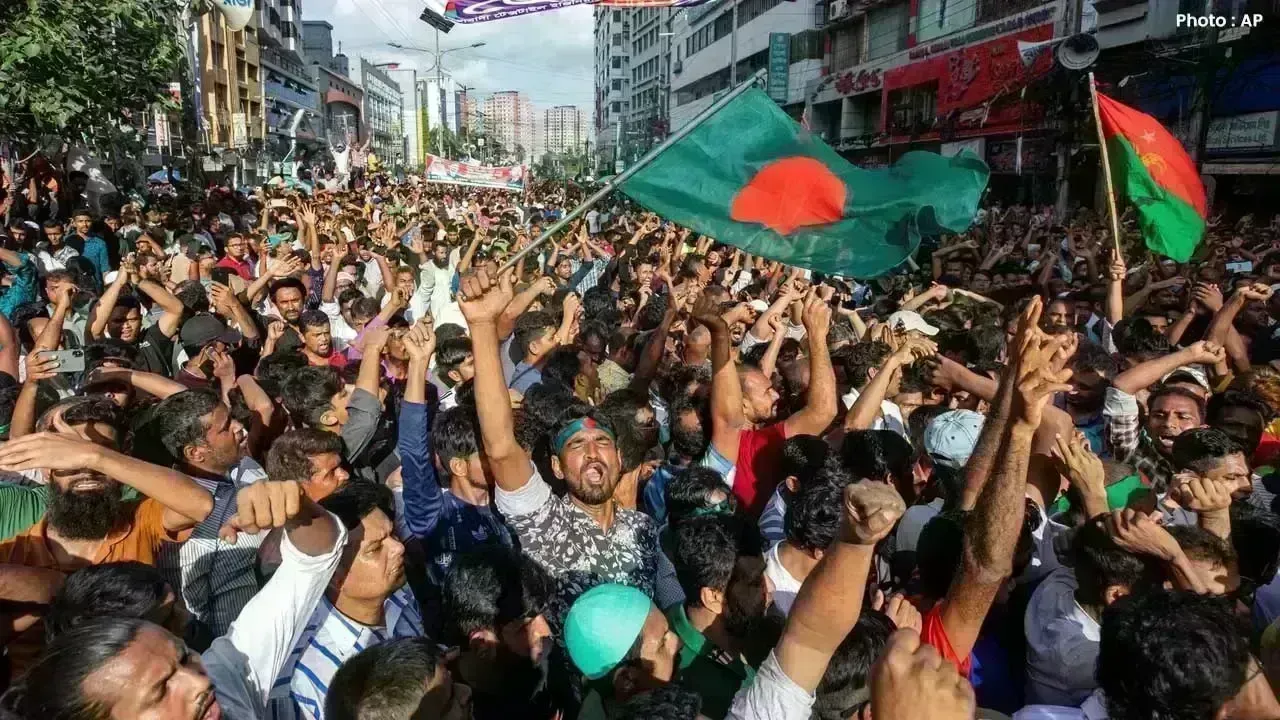
In Bangladesh, the student-led National Citizen Party (NCP), which emerged as a force after the ousting of long-time leader Sheikh Hasina, is struggling to convert its street-level popularity into electoral support ahead of the upcoming parliamentary elections in February. The party, founded by young activists who led mass protests against Hasina, has positioned itself as a movement seeking to end decades of nepotism and challenge the dominance of the country’s traditional political powers. Yet, opinion polls suggest the NCP is currently in third place, with just six percent support, far behind the Bangladesh Nationalist Party (BNP), which leads with thirty percent, and the hardline Jamaat-e-Islami at twenty-six percent.
NCP leaders acknowledge that the organization is still in its infancy, with limited structure, scarce resources, and a need to build a network capable of contesting all 300 parliamentary seats. Nahid Islam, a 27-year-old chief of the party and a prominent figure in last year’s anti-government protests, said that while the party is aware of these challenges, it is committed to taking them on. Speaking from their Dhaka headquarters, decorated with graffiti symbolizing the uprising, Islam emphasized that the movement’s goal is long-term structural reform rather than just immediate electoral success.
Despite initial enthusiasm from thousands of young supporters who rallied behind the NCP during its launch, some early backers have expressed disappointment. Feminist activist Prapti Taposhi criticized the party for hesitating to take clear stances on critical issues, including minority rights and women’s rights. The NCP’s failure to secure a single seat in the recent Dhaka University student elections, once the epicenter of the anti-Hasina movement, further reflects the challenges of translating activism into formal political influence. Hasina’s Awami League, still barred from contesting elections, has warned that prolonged restrictions could spark unrest, potentially affecting Bangladesh’s vital textile sector, the world’s second-largest garment exporter.
To strengthen its position, the NCP is reportedly exploring alliances with established parties such as the BNP and Jamaat-e-Islami. While collaboration could improve its electoral prospects, analysts warn that an alliance may dilute the party’s “revolutionary” image and its distinct identity outside Bangladesh’s traditional political structure. Many of the original student activists who drove the uprising have returned to their previous affiliations, leaving only a dedicated fraction to form and sustain the NCP. The party now faces the challenge of competing against entrenched networks and political machinery that extend deep into rural areas.
Financial constraints also limit the NCP’s operations. Members rely on personal incomes, small donations, and crowdfunding to support campaign activities. Some leaders, like 28-year-old Hasnat Abdullah, have attempted to mobilize support by appealing directly to villagers, emphasizing transparency and proper allocation of government funds over monetary incentives. Allegations of corruption against certain party leaders, which the NCP denies, have further affected public perception.
Despite these hurdles, the NCP continues to attract young supporters who see it as a potential force for change in a political system long dominated by money, dynasties, and entrenched interests. University student Manzila Rahman expressed hope that the party’s youth-led movement could foster a more egalitarian political culture. The NCP’s unconventional candidate search in November, which included over 1,000 ordinary citizens—from rickshaw pullers to students injured in protests—demonstrates its commitment to broadening political participation and giving power to ordinary people.
Some established leaders, including those from the BNP and Jamaat, also recognize the value of engaging with younger voters. BNP leader Mirza Fakhrul Islam Alamgir noted that the next generation will dominate the political landscape, making it important to incorporate youth perspectives in parliament. NCP leaders stress that their vision extends beyond immediate elections, aiming for long-term institutional and structural reforms. As Abdullah put it, “Win or lose, just by taking part in the election, we are offering something new,” signaling the party’s intention to reshape the political discourse in Bangladesh.
This rewrite ensures the news is simple, SEO-friendly, and journalistic, emphasizing key terms such as “National Citizen Party,” “Bangladesh elections,” “student-led movement,” and “Bangladesh politics” to optimize search visibility.









Lamborghini Catches Fire on Singapore's ECP, Causing Heavy Traffic
A Lamborghini caught fire on Singapore's ECP, causing heavy traffic and bus delays. No injuries were

Bangkok Airport Duty-Free Area Flooded by Pipe Burst
A burst water pipe flooded the duty-free shopping area at Bangkok's Suvarnabhumi Airport on July 16,
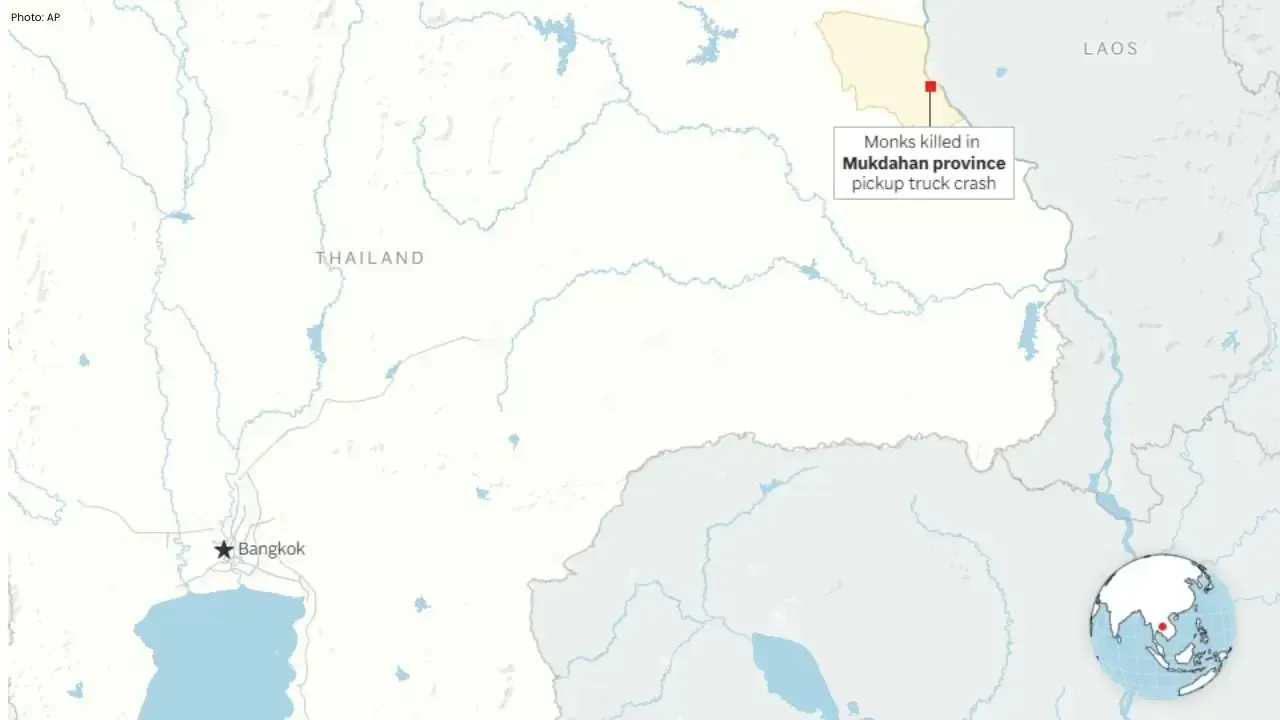
Nine Monks Killed in Thailand Pickup Truck Tragedy
An 11-year-old boy driving a pickup truck crashed into monks during a pilgrimage in northeastern Tha
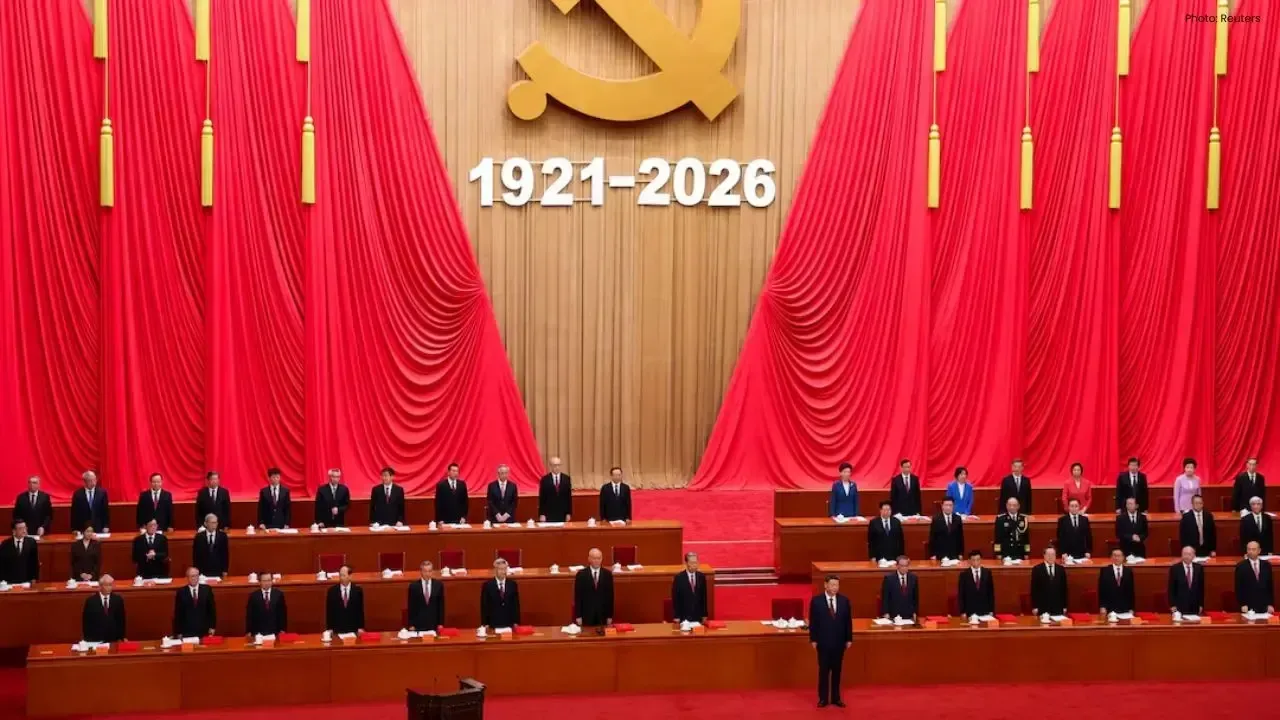
Anwar Congratulates Xi on CPC's 105th Anniversary
Malaysia reaffirms strong ties with China as PM Anwar Ibrahim sends a congratulatory letter to Presi
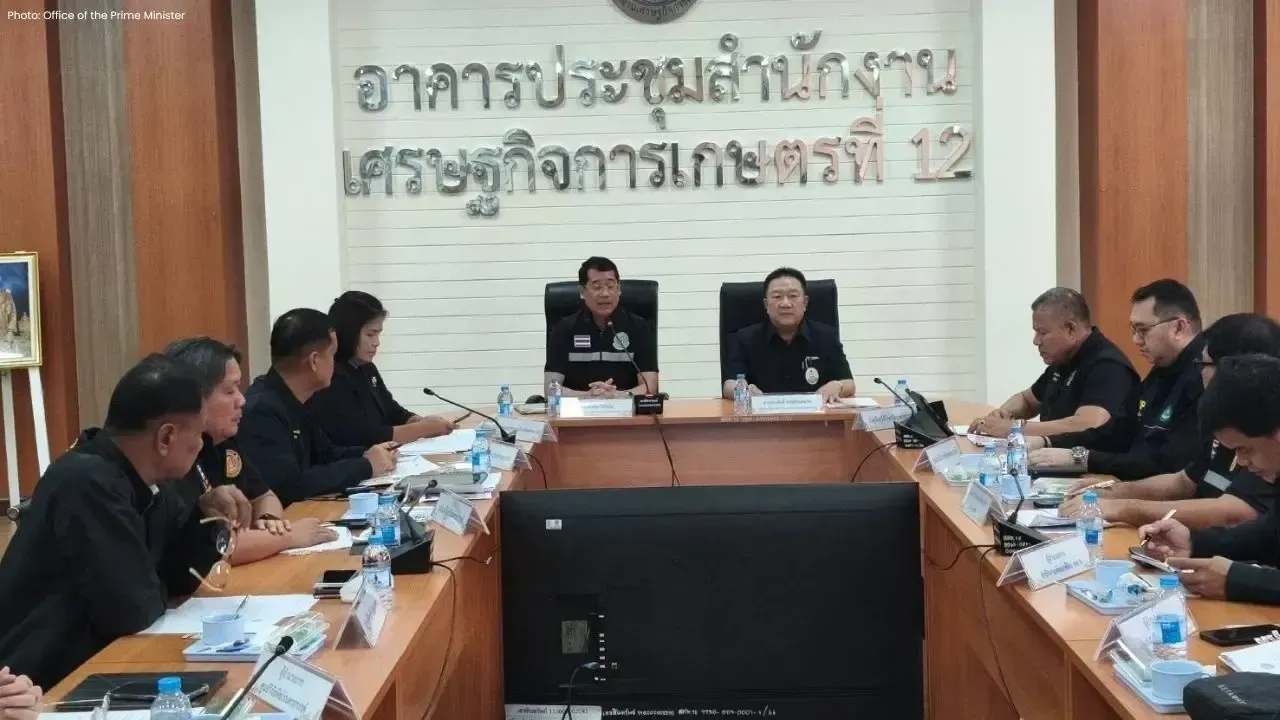
Thai Agriculture Team Reviews 2026 Farm Development Plans
Agriculture Ministry officials inspected livestock and organic rice projects in Nakhon Sawan to moni

Thailand, Canada Boost Ties in PM-Level Phone Talks
Thailand and Canada agreed to strengthen trade, security, OECD cooperation and ASEAN-Canada FTA talk