
You have not yet added any article to your bookmarks!
Join 10k+ people to get notified about new posts, news and tips.
Do not worry we don't spam!
Post by : Rameen Ariff
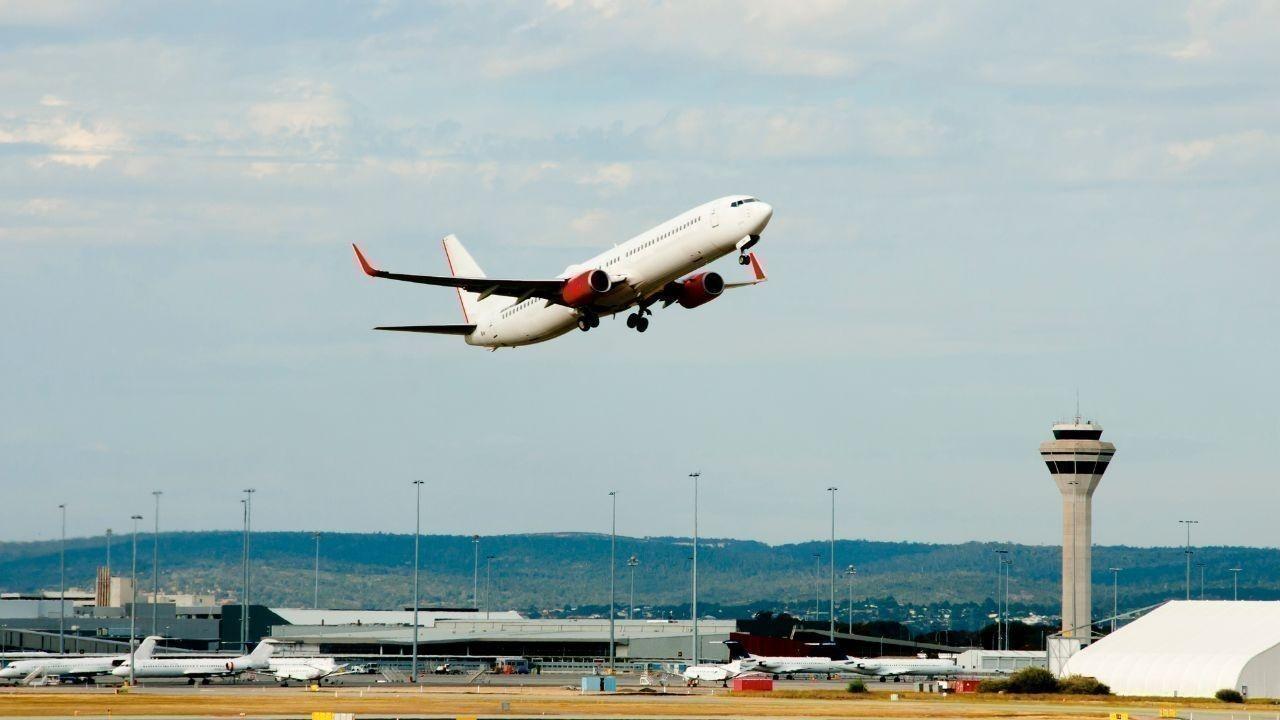
Berlin Brandenburg Airport experienced a sudden disruption on Friday night when unidentified drones were spotted flying over its airspace, forcing authorities to halt all flight operations for nearly two hours. The no-fly period, lasting from 8:08 pm to 9:58 pm local time, affected dozens of departures and arrivals, leading to several flights being diverted to alternate airports across Germany.
Airport officials acted swiftly to suspend all take-offs and landings to ensure passenger safety and avoid potential collisions. The disruption created a ripple effect of delays, but in a bid to ease passenger inconvenience, Berlin temporarily lifted its strict night-flight ban. This allowed delayed flights to land later than usual, helping clear the backlog more efficiently.
“We assume that the danger has been averted for the time being,” an airport spokesperson said after operations resumed following thorough checks of the airspace to confirm the absence of further drone activity.
Germany has seen a notable increase in drone-related incidents in recent months, with several airports facing similar disruptions. Munich Airport, for example, suspended operations twice in October due to unauthorized drone sightings. These events have raised growing concerns among aviation and security authorities about the threat posed by drones to flight safety.
Similar incidents have also been reported in neighboring European countries such as Denmark, Norway, and Poland, highlighting a broader regional challenge. Several European nations, including Romania and Estonia, have accused Russia of orchestrating these drone intrusions as part of hybrid warfare tactics. However, Moscow has consistently denied any involvement.
Germany, a key NATO ally supporting Ukraine, has reported multiple drone sightings over sensitive locations including military bases and critical infrastructure. The recent drone activity over Berlin Brandenburg Airport underscores the urgent need for enhanced detection systems and response protocols to protect civil aviation from such emerging threats.
As the frequency of drone disruptions increases, airport authorities and security agencies across Europe are under pressure to develop more robust countermeasures to safeguard air travel and prevent future incidents.










APEC Members Emphasise Safe and Responsible Use of Artificial Intelligence
APEC members discuss responsible AI use, digital innovation and data governance as China and the US

Union of European Clubs Challenge UEFA and EFC Over EU Competition Rules
UEC files an EU competition complaint against UEFA and EFC, challenging club representation, governa

Mohammed Shami Retires From Test Cricket, Eyes White-Ball Career
Mohammed Shami retires from Test cricket after 13 years, with 229 wickets. He will continue playing

Singapore Warns Users About Privacy and Security Risks of AI Agents
Singapore warns users about AI agent security risks, data privacy, online scams and unauthorised acc

Chris Lynn Completes One-Month Ban After Positive Cocaine Test
Australian cricketer Chris Lynn completes a one-month ban after a positive cocaine test during the T

Djokovic Eyes Strong Season Finish as Health Improves Ahead of Paris Masters
Novak Djokovic reports improved health and performance as he targets a strong Paris Masters finish a