
You have not yet added any article to your bookmarks!
Join 10k+ people to get notified about new posts, news and tips.
Do not worry we don't spam!
Post by : Rohit Dhiman
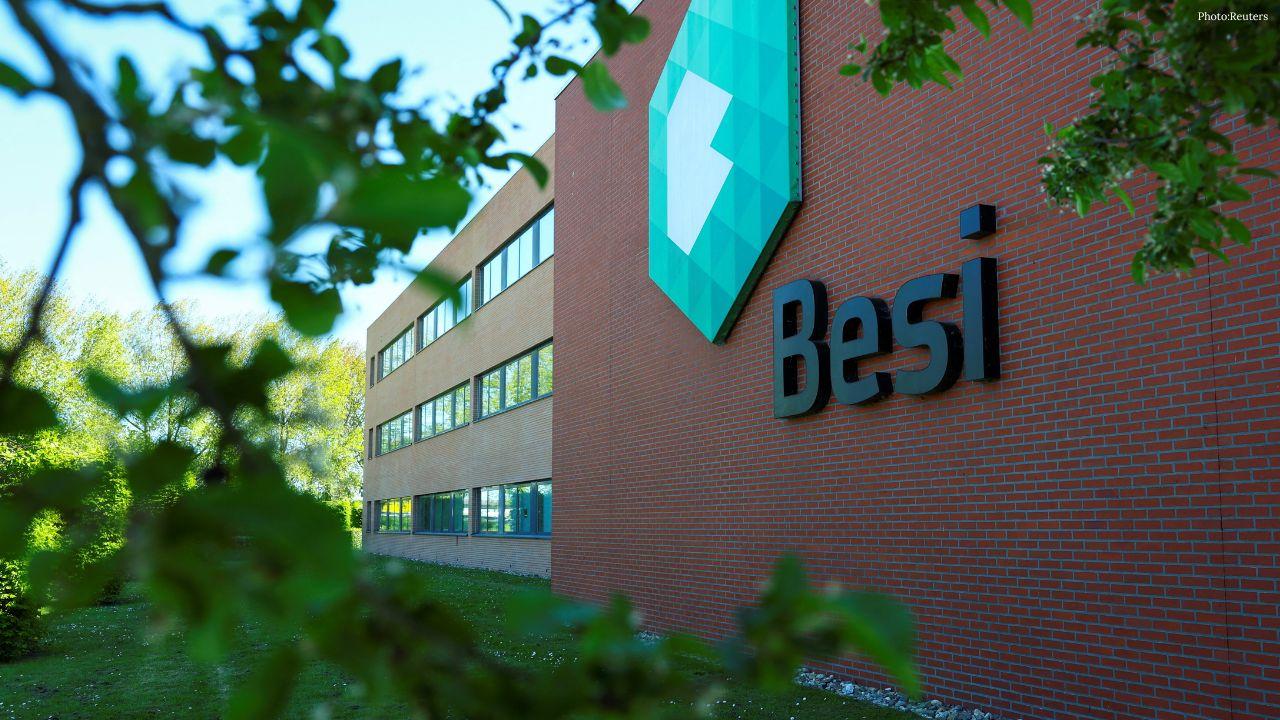
Dutch semiconductor equipment maker BE Semiconductor Industries, widely known as Besi, has reported stronger-than-expected third-quarter orders, supported by continued demand for equipment used in advanced chip packaging. The results highlight how the rapid expansion of artificial intelligence infrastructure is creating opportunities for companies that supply specialised technology to the semiconductor industry. Besi announced that its order intake reached €342.6 million in the third quarter of 2026. This represented a 17% increase from the previous quarter and a 96% rise compared with the same period a year earlier. The result exceeded market expectations. Analysts surveyed by research firm Visible Alpha had forecast quarterly orders of approximately €298 million, making the reported figure a notable improvement over the anticipated level. The figures are important because order intake is one of the key indicators investors monitor when assessing the future business performance of semiconductor equipment manufacturers. New orders provide an indication of customer demand and can help investors understand the potential direction of future revenue. For Besi, the latest performance suggests that spending linked to AI data centre demand continues to support its business, even as investors remain cautious about the pace at which certain advanced packaging technologies will be adopted.
The expansion of artificial intelligence has increased the need for computing systems capable of processing large volumes of information quickly and efficiently. Data centres supporting AI applications require powerful processors, specialised accelerators and advanced semiconductor components. As these systems become more sophisticated, chipmakers are increasingly looking at packaging technologies that can improve performance, reduce communication delays between components and make more efficient use of available space. This trend has created opportunities for equipment suppliers such as Besi, which develops technologies used in the assembly and packaging of semiconductor devices. Traditional semiconductor manufacturing focuses heavily on producing individual chips. Advanced packaging brings multiple chips or components together into a single package, allowing manufacturers to build more capable computing systems without relying exclusively on increasing the size of individual processors. The growing importance of these techniques has made advanced packaging a significant part of the wider semiconductor investment cycle.
Besi’s latest order figures showed a substantial improvement compared with both the previous quarter and the corresponding period in 2025. The company received €342.6 million in orders during the third quarter of 2026, compared with €298 million expected by analysts surveyed by Visible Alpha. The reported figure was approximately €44.6 million above the consensus forecast. It also represented a year-on-year increase of 96%, indicating a strong recovery in order intake compared with the same period last year.
|
Metric |
Reported figure |
|---|---|
|
Third-quarter orders |
€342.6 million |
|
Analysts’ forecast |
€298 million |
|
Increase from previous quarter |
17% |
|
Increase from a year earlier |
96% |
|
Difference above forecast |
€44.6 million |
The results suggest that customers placed more orders for Besi’s equipment than the market had anticipated. However, quarterly orders should not be confused with quarterly revenue. Orders reflect new business received, while revenue generally depends on equipment deliveries and the timing of customer acceptance. The distinction is particularly relevant in the semiconductor equipment sector, where large customer orders can vary significantly between reporting periods.
Besi chief executive Richard Blickman said the favourable order trend recorded during the first nine months of 2026 was expected to continue into the fourth quarter. In the company’s earnings statement, Blickman linked the outlook to the ongoing multiyear expansion of AI computing capacity. His comments indicate that Besi expects demand associated with the construction and expansion of AI infrastructure to remain an important business driver in the near term. The broader investment cycle includes the development of data centres, the installation of computing equipment and the expansion of semiconductor manufacturing capabilities. These projects can create demand across several parts of the technology supply chain. However, the outlook remains dependent on customers continuing to invest and on equipment orders translating into deliveries and revenue. Changes in capital expenditure plans, production schedules or technology choices could affect the pace of future demand.
Read Also: Bukayo Saka Injury: Arteta Worried After Arsenal Star Exits Early
One of the technologies closely associated with Besi is hybrid bonding, an advanced semiconductor packaging technique designed to connect chips directly to one another. Unlike conventional packaging methods that rely on certain intermediate connections, hybrid bonding enables very close electrical connections between semiconductor components. The approach can support higher connection density and improve communication between stacked chips. This is particularly relevant for advanced computing applications, where processors and memory components need to exchange large quantities of data efficiently. AI workloads can place significant demands on memory bandwidth, computing performance and energy efficiency. As a result, chipmakers are exploring different packaging approaches to meet the requirements of increasingly complex systems. Hybrid bonding has attracted attention because it could play an important role in future generations of advanced semiconductor products. However, developing a promising technology does not automatically translate into widespread commercial use. Semiconductor manufacturers must evaluate production costs, manufacturing yields, reliability and compatibility with existing processes before adopting new techniques on a large scale.
Despite the latest improvement in order intake, Besi’s shares have faced pressure in recent months, according to the report. Investor concerns have centred on whether semiconductor manufacturers will adopt hybrid bonding technology more slowly than previously expected. The issue highlights the difference between current equipment demand and expectations about future technological adoption. Strong quarterly orders can demonstrate that customers are purchasing equipment today. Share prices, however, also reflect expectations about future earnings, long-term growth and the potential commercial success of technologies still being developed or introduced. If manufacturers delay investments or take longer to adopt new packaging methods, the expected benefits may arrive later than investors had anticipated. The timing of customer orders can also affect quarterly performance. Semiconductor equipment purchases are often large and unevenly distributed, meaning a single quarter may not fully represent the direction of demand over a longer period. For investors, the central question is whether Besi can maintain its order momentum while converting technological opportunities into sustained business growth.
The growth of artificial intelligence has created new requirements across the semiconductor supply chain. Companies developing AI models and services need access to computing systems that can process increasingly demanding workloads. This has encouraged investment in specialised chips, high-performance memory, advanced networking and more sophisticated semiconductor packaging. Chip manufacturers are working to improve the performance of their products while managing power consumption, manufacturing complexity and production costs. Advanced packaging can help address some of these challenges by bringing different components together more efficiently. Equipment suppliers benefit when semiconductor manufacturers invest in new production capabilities. Their prospects are therefore closely connected to capital spending plans, technology road maps and the pace at which new products enter mass production. Besi’s latest order performance offers an indication that AI-related demand is supporting at least part of this investment cycle.
Besi’s third-quarter performance provides another indication of the growing importance of semiconductor packaging in the AI economy. The 96% annual increase in orders suggests that demand for its equipment improved significantly compared with the same period in 2025. The result also exceeded analysts’ expectations, offering a stronger-than-anticipated reading of customer demand. At the same time, investors will be watching whether the improvement continues into the final quarter of 2026, as management expects.







Tesla Shares Fall 5% as Spending Cuts Raise AI Concerns
Tesla shares drop 5% after cutting its 2026 spending forecast to $20 billion, raising questions abou

Spotify Forecasts Higher Fourth-Quarter Profit on AI Investments
Spotify forecasts fourth-quarter operating income above estimates as AI-powered playlists and person

Steve Smith Fit to Bat as Rain Delays South Africa Test
Steve Smith is available to bat despite a neck issue as rain delays the second South Africa Test, wi

Besi Quarterly Orders Beat Forecasts on Strong AI Data Centre Demand
BE Semiconductor Industries reports stronger quarterly orders as AI data centre investment boosts de

Bukayo Saka Injury: Arteta Worried After Arsenal Star Exits Early
Arsenal boss Mikel Arteta fears Bukayo Saka’s quadriceps injury after the winger left the Bayern Mun

Tom Cruise to Receive AFI Life Achievement Award in April 2027
Tom Cruise will receive the AFI Life Achievement Award at a Hollywood ceremony in April 2027, recogn

