
You have not yet added any article to your bookmarks!
Join 10k+ people to get notified about new posts, news and tips.
Do not worry we don't spam!
Post by : Anis Farhan
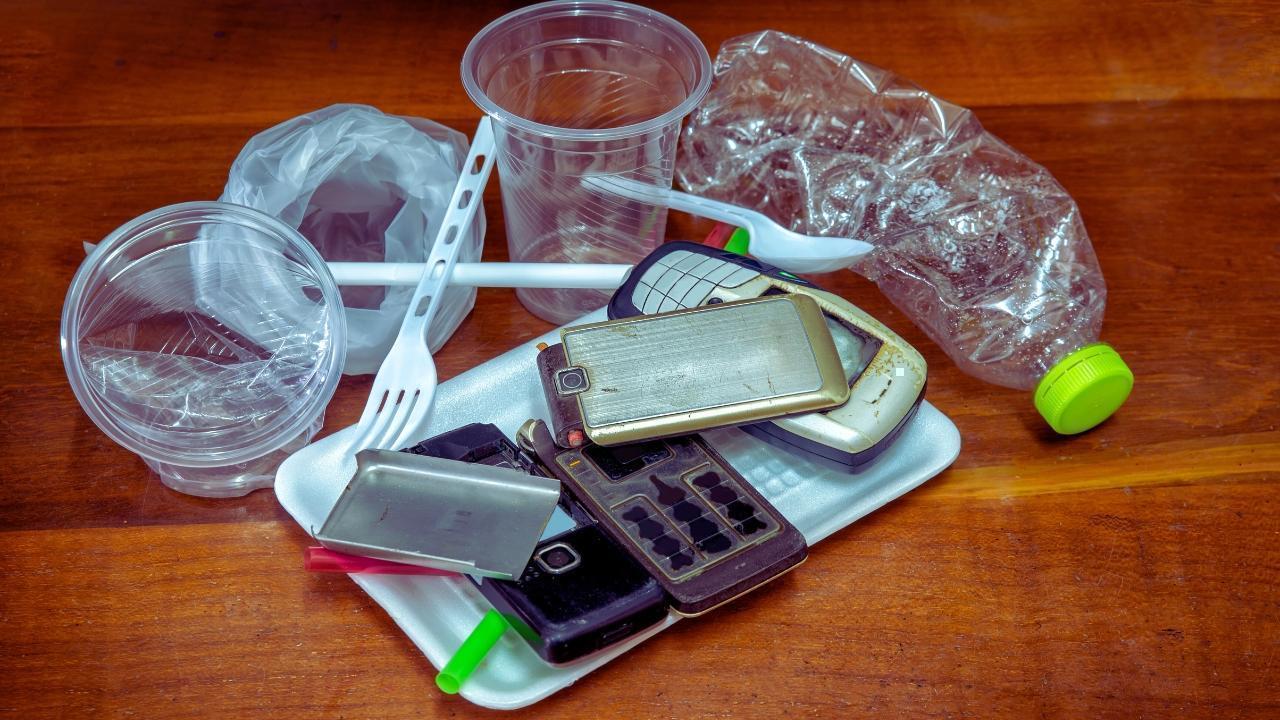
E-waste is the fastest-growing waste stream in the world, with over 50 million tons generated annually. From smartphones and laptops to smartwatches and kitchen appliances, modern life is deeply dependent on electronics. However, the environmental toll of discarded electronics, combined with toxic materials used in their manufacturing, has led to a critical sustainability crisis. As the world seeks greener solutions, biodegradable technology is gaining traction—promising electronic devices that naturally decompose without polluting the environment.
Biodegradable electronics are devices or components designed to break down into natural materials after their useful life. These innovations aim to reduce long-term waste and lessen the environmental burden of technological consumption. By using organic substrates, biodegradable polymers, and dissolvable circuits, these devices offer the potential to leave minimal or no ecological footprint. Universities, startups, and major tech companies are now actively investing in this space, signaling a transformative shift in the industry.
Several key advancements are pushing biodegradable tech from concept to reality:
Dissolvable Sensors: Medical implants that dissolve harmlessly after monitoring patient health.
Organic Printed Circuits: Flexible electronics printed on cellulose or silk that degrade without leaving toxic residue.
Biodegradable Displays: Research is advancing on eco-friendly screen materials made from gelatin, chitosan, or plant-based polymers.
Compostable Device Casings: Companies are creating smartphone and gadget casings from biodegradable plastics, bamboo, and agricultural waste.
These technologies show that high-tech devices don’t necessarily need to contribute to the planet’s waste crisis.
Samsung and Apple have started exploring biodegradable packaging and components.
Tech companies in Germany, Japan, and South Korea are leading in organic electronics.
Startups like Pivet and Pela are producing biodegradable phone cases gaining popularity worldwide.
Research institutions such as Stanford University and the University of Illinois are pioneering biodegradable circuit designs.
The momentum is building across industries—from consumer electronics to medical tech—showing a significant global shift.
Biodegradable electronics can drastically cut down landfill waste and reduce the risk of soil and groundwater contamination. Since many conventional devices contain hazardous materials like lead, mercury, and cadmium, biodegradable alternatives promise:
Lower toxic waste generation.
Reduced greenhouse gas emissions during disposal.
Decreased reliance on non-renewable raw materials.
Opportunities to create circular economies in electronics production.
Despite the promising outlook, several obstacles prevent widespread adoption:
Durability: Biodegradable materials may degrade prematurely or lack long-term performance.
Cost: Sustainable materials and processes are often more expensive than traditional methods.
Limited Scale Production: Most biodegradable tech is still in prototype or early-stage commercialization.
Consumer Awareness: Many buyers are unaware of biodegradable options or their benefits.
Industry experts suggest that technological improvements, regulatory support, and greater market demand are needed to scale biodegradable tech globally.
Countries worldwide are tightening regulations around e-waste and pushing for sustainable alternatives:
European Union’s Green Deal focuses on promoting circular economy principles, including electronics.
South Korea and Japan are funding biodegradable electronics research.
India’s e-waste management rules are pushing manufacturers towards sustainable designs.
The United States is seeing growing consumer movements favoring eco-friendly tech products.
Policy frameworks are increasingly incentivizing industries to invest in greener alternatives, setting the stage for rapid adoption.
Over the next decade, experts predict:
Expansion of biodegradable components into mainstream consumer devices.
Growth in biodegradable wearables, medical tech, and temporary sensors.
Integration of biodegradable tech in smart packaging and Internet of Things (IoT) devices.
New industry standards to certify and regulate biodegradable electronics.
With mounting environmental pressures and technological breakthroughs, biodegradable tech is on track to revolutionize the future of electronics, making them both smarter and greener.
The world is on the cusp of a new era in electronics—one where innovation and sustainability go hand-in-hand. Biodegradable technology offers a credible, scalable pathway to reduce e-waste and create more responsible consumption patterns. As global demand for electronics continues to surge, adopting eco-friendly materials and designs isn’t just an option—it’s an essential step toward a healthier planet and a smarter future for humanity.










PM Modi Pays Tribute to Mahatma Gandhi, Urges People to Support Khadi
PM Modi pays tribute to Mahatma Gandhi on Gandhi Jayanti and urges citizens to support Khadi and the

Amazon Seeks to Offload $8 Billion in Nvidia Chips to Investors
Amazon plans to move $8 billion in Nvidia chips to investors, using a new financing model to strengt

Samsung Raises Galaxy S26 Prices as Memory Chip Costs Rise
Samsung raises Galaxy S26 prices in South Korea as rising memory chip costs put pressure on smartpho

Lewis Hamilton Calls Singapore Grand Prix One of F1's Toughest Races
Lewis Hamilton discusses the demanding Singapore Grand Prix and brings Plus44 and Almave to Singapor

Denmark's Pandora Opens World's Largest Jewellery Factory in Vietnam
Pandora opens its largest jewellery factory in Vietnam, expanding global production, strengthening s

Gautam Gambhir Questions Batting-Friendly Pitches After India's Record ODI Chase
Gautam Gambhir questions batting-friendly ODI pitches after India’s record chase, calling for a bett

