
You have not yet added any article to your bookmarks!
Join 10k+ people to get notified about new posts, news and tips.
Do not worry we don't spam!
Post by : Anis Farhan
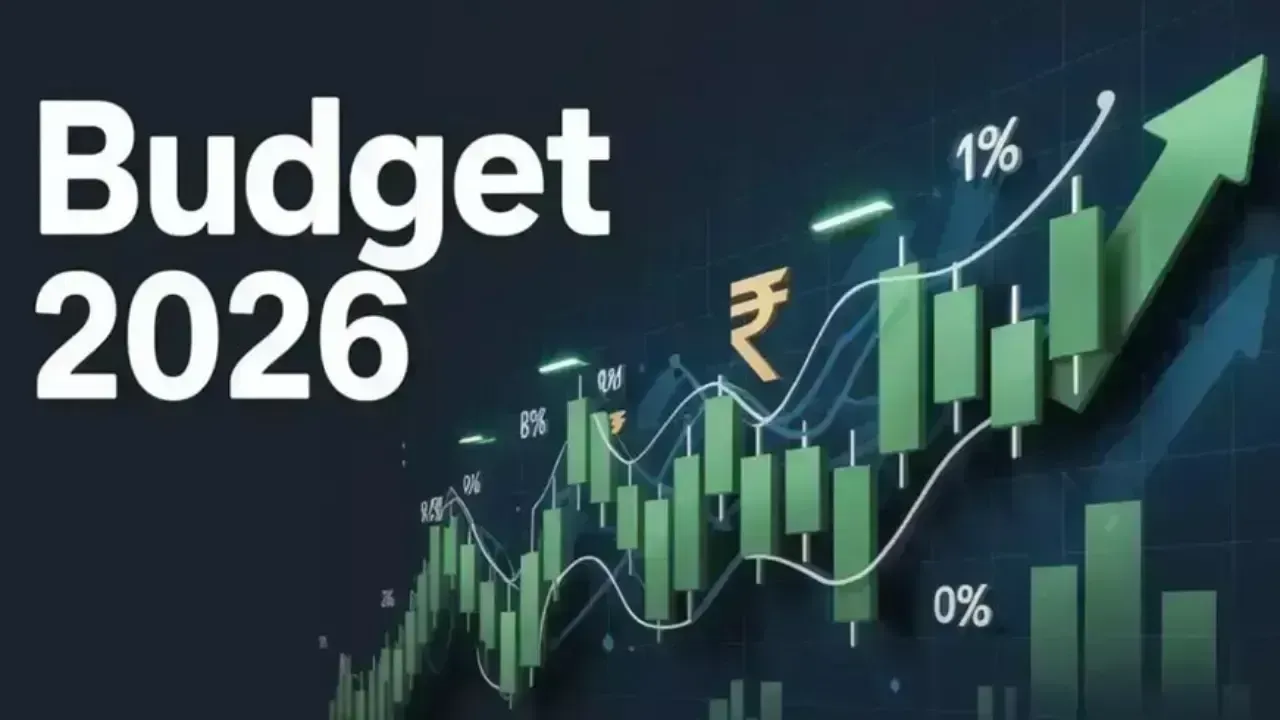
India’s Union Budget 2026, scheduled for 1 February 2026, is one of the most anticipated economic events of the year for individual taxpayers, salaried employees, and middle-class households. As concerns about inflation, disposable income and fairness in tax treatment intensify, taxpayers are calling for reforms that offer tangible relief and simplification in personal taxation. Analysts, tax professionals and common taxpayers alike are debating potential changes to basic exemption limits, deductions, tax slabs and compliance mechanisms in both the old and new income tax regimes. Expectations are particularly heightened this year due to the impending implementation of the Income-tax Act 2025, which is expected to take effect from April 2026, potentially reshaping the personal tax landscape in India.
One of the most talked-about demands among taxpayers ahead of Budget 2026 is an increase in the basic income tax exemption limit. Currently, many individuals fall into taxable brackets that reflect outdated thresholds, unable to keep pace with rising living costs and inflation. Taxpayers and experts alike are advocating for a hike in this exemption limit under both the old and new tax regimes to help middle-income households retain more of their earnings. Such a change could reduce tax burdens for millions, particularly those in the lower and middle income segments.
The standard deduction, a fixed amount that salaried taxpayers can subtract from their gross income before computing tax, is another major point of contention. Under the existing framework, the standard deduction has remained unchanged for several years under the old regime and was increased to Rs 75,000 under the new tax regime in 2024. Given rising inflation, tax experts argue that raising this deduction further — potentially to Rs 1 lakh or more — would offer meaningful relief to salaried households by offsetting increases in routine expenditures.
Under Section 80C of the Income Tax Act, taxpayers can claim deductions up to Rs 1.5 lakh for specified investments and expenses like life insurance premiums, pension plans, and ELSS funds. There is a strong push to raise this limit so that savings and long-term investment incentives are enhanced, encouraging greater participation in tax-saving instruments and financial planning. Such an increase would also boost disposable income and support a savings culture among a broader segment of taxpayers.
Section 87A provides tax rebates for taxpayers with incomes up to a prescribed threshold. Many observers are hoping that this rebate threshold will be adjusted upward in Budget 2026 to align with inflation and offer relief to middle-class earners. Revamping this rebate could streamline tax obligations for a large number of wage earners and enhance the attractiveness of compliance under the new tax regime.
India currently operates two personal income tax regimes:
The old regime, which offers a host of deductions and exemptions; and
The new regime, which has lower tax rates but minimal deductions.
While the new regime was designed to simplify tax computations, its multiple slabs and the absence of familiar deductions have caused confusion among taxpayers. Experts believe that a further rationalisation of tax slabs, possibly following a simpler structure like that used in the Goods and Services Tax (GST), could make the system more straightforward and easier to understand. Under the new regime, there are as many as seven different tax slabs — and critics argue that fewer, broader slabs would reduce complexity and improve compliance.
Beyond rate changes, there is an increased call for administrative efficiency in the tax system. Proposals include faster processing of tax refunds, streamlined filing procedures, extended deadlines for revised returns, and automated compliance mechanisms that reduce the burden on individual taxpayers. These changes do not directly reduce tax amounts, but they improve the overall taxpayer experience and reduce friction in tax filing.
As India’s demographic profile evolves, there is greater focus on providing tax relief tailored to senior citizens and those planning for retirement. Advocates suggest increased deductions for pension income, exemptions for annuity products, and enhanced benefits under Section 80C and related provisions to support long-term financial security for older taxpayers. Such measures would acknowledge the distinct financial needs of this group and offer targeted assistance in retirement planning.
Home ownership is often considered a cornerstone of financial planning for many Indian families. Under the current tax framework, deductions for housing loan interest are available only under specific conditions and are not applicable under the new tax regime. Taxpayers are urging the government to consider reforms that allow deductions for home loan interest even under the new regime, especially for self-occupied properties, thereby easing the financial burden of home loan repayments.
An ongoing debate revolves around the treatment of long-term capital gains (LTCG) and short-term capital gains (STCG). Tax experts and investors alike are advocating for the alignment of capital gains taxes with the broader income tax structure. Specifically, there is hope that gains below a certain threshold — consistent with exemptions available under Section 87A — could be taxed at lower rates or even be exempted to encourage investment while ensuring fairness. This approach would help reconcile perceptions of inequity between investment income and wage income.
Employees of startup companies often face higher tax outgo on Employee Stock Options (ESOPs), particularly when they exercise options before realising actual gains. Budget 2026 expectations include proposals to ease ESOP taxation to enhance India’s attractiveness as a startup destination and support employee retention and growth. A rationalised ESOP tax structure would help equitable wealth creation within the startup ecosystem.
The impending implementation of the Income-tax Act 2025 from April 2026 is at the heart of many expectations. Taxpayers and experts alike are anticipating not just structural changes in tax computation but also clarity on transition provisions, compliance requirements, data reporting standards, and dispute resolution mechanisms. A smoother transition to this new legislation could offer a once-in-a-generation opportunity to modernise India’s personal tax system comprehensively.
Despite strong demands for relief, the government is expected to balance taxpayer wishes with the need for fiscal prudence. Last year’s significant change, which made income up to Rs 12 lakh fully tax-free, represented a major shift in personal taxation. Given this recent reform, the fiscal space for additional tax cuts may be constrained, prompting calls for micro-policy changes and targeted relief instead of sweeping rate reductions.
The middle class remains the most vocal stakeholder in income tax debates. With rising costs of living, education and healthcare, many taxpayers feel that existing tax structures capture too much of their disposable income. Expectations for increased deductions and higher exemption limits are rooted less in avoidance of taxation and more in the desire for policies that reflect contemporary economic realities.
There is growing consensus among tax professionals and individual taxpayers that simplification — whether through streamlined slabs, reduced compliance burden, or transparent rules — can build greater trust in the tax system. Simpler tax laws not only aid compliance but also reduce litigation and administrative costs over time.
As India counts down to the presentation of Budget 2026, taxpayers are hopeful that their voices will be heard — not merely through broad headlines but via concrete, pragmatic changes that improve their financial wellbeing. From higher exemption limits and standard deductions to rationalised slabs and better compliance mechanisms, expectations reflect a deep desire for fairness, simplicity and a tax regime that rewards savings and investment without excessive burden. Balancing these demands with fiscal responsibility will be a key challenge for policymakers. Whether the budget delivers historic reform or targeted relief, the conversation itself underscores an evolving relationship between taxpayers and the tax system in India today.
Disclaimer:
This article is based on current public expectations and expert commentary ahead of India’s Union Budget 2026 and is intended for informational purposes only. It does not represent official budget law, financial advice, or guaranteed policy outcomes. Actual budget provisions may vary when the Finance Minister presents the Budget in Parliament.







Google Signs 3.6-GW Power Deal With Constellation Energy in US
Google signs a 3.6-GW power deal with Constellation Energy, including nuclear power upgrades to supp

Harmanpreet Kaur Steps Down as India Captain Across All Formats
Harmanpreet Kaur steps down as India captain across all formats after a remarkable leadership journe

Michael Bracewell Chooses Casual Contract, Targets BBL Opportunity
Michael Bracewell moves to a casual contract as he eyes a BBL opportunity while remaining available

Tuchel Says Alex Scott Can Challenge Declan Rice for England Midfield Spot
Thomas Tuchel says Alex Scott can challenge Declan Rice for an England midfield place after his impr
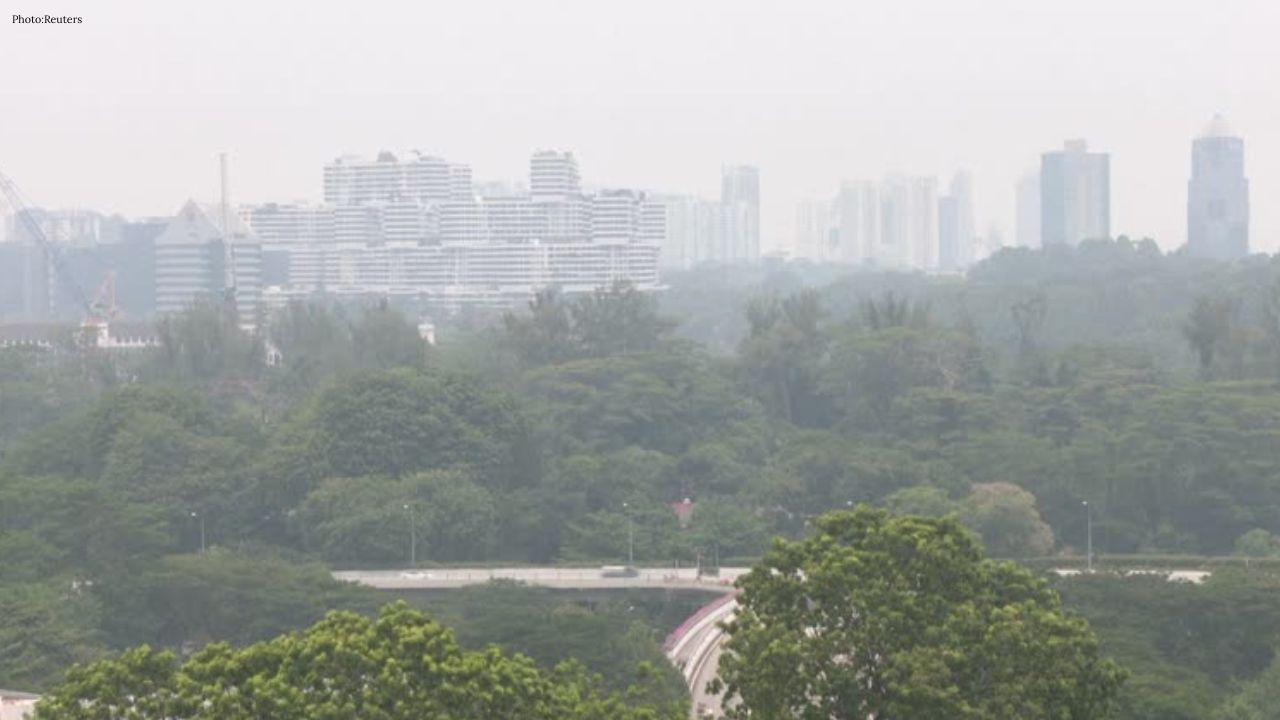
Air Quality Turns Unhealthy in Central and Western Singapore Amid Haze
Singapore haze pushes PSI above 100 in central and western areas as smoke from regional hotspots rai

PM Modi Pays Tribute to Mahatma Gandhi, Urges People to Support Khadi
PM Modi pays tribute to Mahatma Gandhi on Gandhi Jayanti and urges citizens to support Khadi and the

