You have not yet added any article to your bookmarks!
Join 10k+ people to get notified about new posts, news and tips.
Do not worry we don't spam!
Post by : Samjeet Ariff
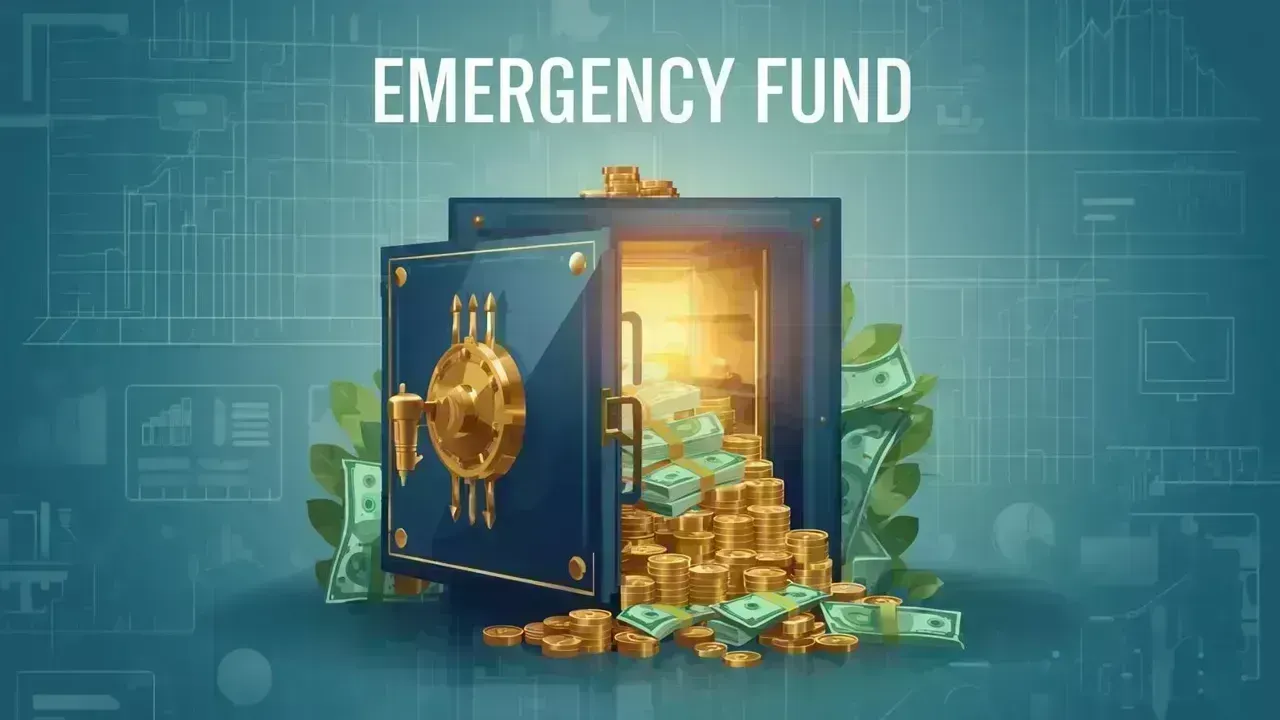
An emergency fund is essential for unexpected expenses, like medical bills or urgent home repairs. Many assume only those with large incomes can save; however, it’s often low and middle-income families who suffer most without these funds. A small emergency can lead to debt if no savings are available.
This fund is not for investments, vacations, or lifestyle enhancements. Instead, it’s specifically reserved for urgent, unavoidable costs. The aim is financial security, not high yields. Ideally, this fund should be readily accessible, insulated from market risks, and distinct from everyday expense accounts.
While three to six months' worth of expenses is often suggested, those on a tight budget might find this daunting. A better approach is starting modestly. Saving just one month's essential expenses is a practical first goal, focusing on necessities like rent, food, utilities, transport, and basic healthcare. Progress, not perfection, is what counts.
With limited earnings, most funds go towards essential expenditures. Fixed costs often leave minimal room for savings, compounded by irregular incomes and family obligations. Emotional spending and rising living costs make it even more challenging to save for emergencies. Acknowledging these hurdles is crucial for developing a feasible savings plan.
Instead of aiming high, set smaller, manageable monthly targets. Even a small, consistent saving habit builds financial discipline and confidence over time. It’s the routine of saving that matters most, rather than the amount saved.
Having your emergency fund in the same account as daily spending increases the risk of unintentional use. Consider opening a separate savings account to foster discipline. When these funds aren’t easily accessible for everyday transactions, they are more likely to remain intact.
Many don’t realize how daily small expenditures add up. By monitoring your spending for just one month, you can uncover unnecessary expenditures like frequent takeout or unused subscriptions. By diverting even a small fraction of these expenses to your emergency fund, you can significantly bolster your savings.
This strategy means saving a predetermined amount as soon as you receive your income, treating it like a necessary expense rather than a leftover. Automating this process enhances consistency and lessens the need for willpower.
Opportunities such as bonuses or side gigs can be excellent sources to enhance your emergency fund. Since these aren’t part of your regular monthly income, allocating them to savings can feel less burdensome.
Establishing an emergency fund doesn’t mean you must forgo all life’s pleasures. It’s about finding a healthy balance. Rather than eliminating expenses entirely, consider reducing them to keep the motivation alive while still aiming for long-term financial stability.
Emergency savings should not be tied up in high-risk investments. Market swings could diminish their value when you need them most. The priority should always be safety and liquidity over potential gains.
Windfalls, such as tax refunds, can lead to impulsive purchases. Instead, use a portion to shore up your emergency fund for long-lasting financial security. This practice instills responsible spending habits.
Building an emergency fund is an ongoing process. As income rises or expenses decrease, gradually increase your savings contributions to allow the fund to expand without straining your budget.
A frequent mistake is waiting for a salary increase to begin saving. Begin emergency savings regardless of your income level. Using these funds for non-emergencies weakens financial discipline, and trying to save too much too fast can lead to frustration.
Even a modest emergency fund brings peace of mind, easing worries about unforeseen costs and preventing reliance on loans. When one can face unexpected situations calmly, financial confidence flourishes.
Emergency funds serve a distinct purpose from savings aimed at vacations or purchases. Confusion arises when both are mixed, leading to potential misuse. Clearly separating them ensures that emergencies don’t disrupt long-term financial goals.
Progress in saving may seem sluggish initially. Celebrate small milestones and regularly remind yourself of your saving’s purpose to stay motivated. The value of these savings will become apparent when they cover unexpected costs.
Establishing an emergency fund on a limited income is challenging yet entirely feasible with the right approach and commitment. Consistent, small habits will build your financial security over time. It’s not the size of the income but the discipline and realistic goal-setting that matters, offering both financial security and peace of mind.
This article is for informational purposes only and does not constitute financial advice. Individual circumstances vary, and readers should evaluate their personal situation or consult a financial advisor before making decisions.
#Investments #Financial planning #5-year financial goals #Finance News #Emergency








Bounou the Hero as Morocco Beat Nigeria on Penalties to Reach AFCON Final
Goalkeeper Yassine Bounou shines as Morocco defeat Nigeria 4-2 on penalties to book a thrilling AFCO

Labubu Doll Factory Faces Worker Exploitation Allegations in China
Investigation claims Pop Mart supplier made employees work long hours, sign incomplete contracts, an

Canada-China Trade Slips 10% as PM Carney Visits Beijing
Canadian exports to China fell 10.4% in 2025 as PM Carney visits Beijing, aiming to restore trade ti

World Cup 2026 Tickets See Record 500 Million Requests Worldwide
FIFA reports over 500 million World Cup 2026 ticket requests globally, showing fans’ massive interes
Visa Changes Fuel Backlash Against Indian Workers and Firms in US
H-1B visa rules under Trump have triggered online harassment and rising hostility toward Indian prof

Delhi Pollution Behind Antonsen’s India Open Withdrawal Again
World No. 3 Anders Antonsen pulled out of the India Open citing severe air pollution in Delhi and wa