You have not yet added any article to your bookmarks!
Join 10k+ people to get notified about new posts, news and tips.
Do not worry we don't spam!
Post by : Meena Ariff
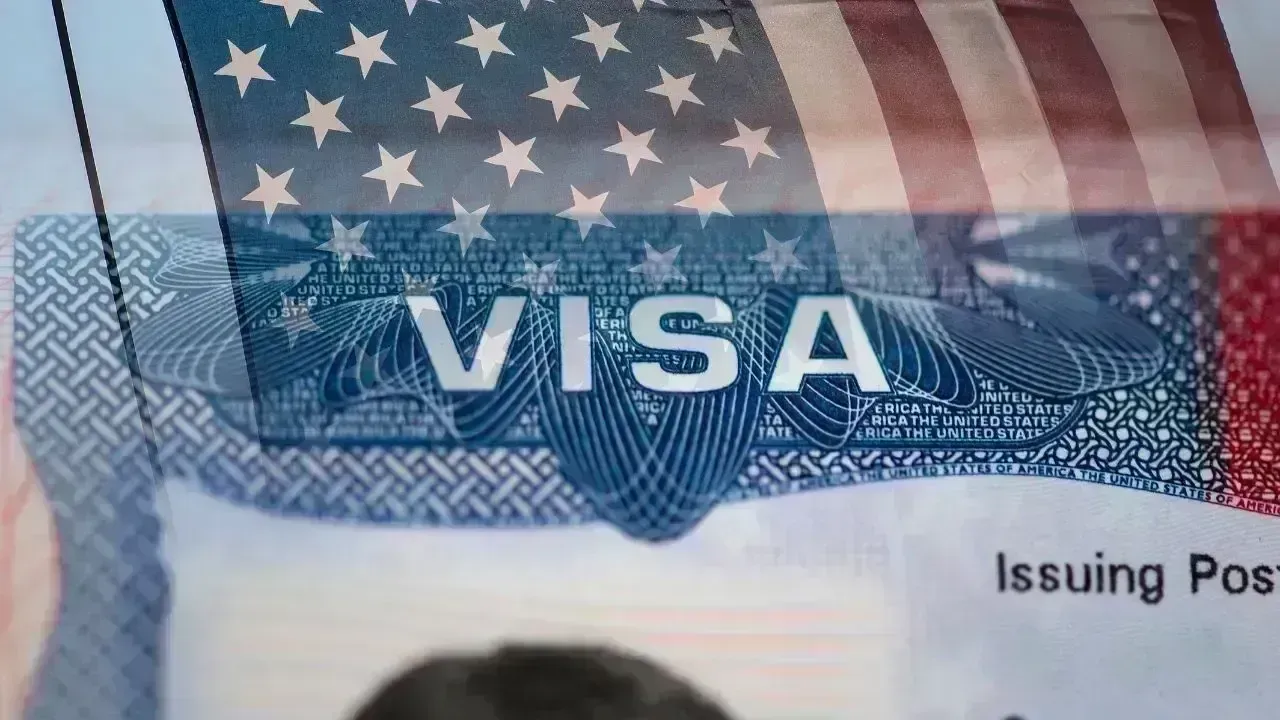
A noticeable rise in hostility toward Indian professionals and Indian-owned businesses has been reported across the United States following sweeping changes to the country’s skilled-worker visa system. Experts say the backlash is closely connected to recent policy revisions that reshaped the structure, eligibility rules, and cost of the H-1B visa programme.
The revised visa framework, announced in September, brought a sharp increase in application expenses. Under the new system, companies seeking to hire foreign skilled workers are now required to pay fees that can reach as high as $100,000. At the same time, the selection process has shifted to a wage-based model that strongly favours higher-paid positions, placing entry-level and mid-level roles at a disadvantage. Authorities have defended the changes by stating that the goal is to safeguard domestic jobs and prevent American workers from being undercut by foreign labour.
Critics, however, argue that the policy changes have produced social consequences extending well beyond the job market. Since the new rules came into effect, Indian professionals—who form a significant portion of H-1B visa holders—have increasingly faced online abuse, coordinated harassment, and allegations that they are unfairly taking jobs meant for Americans.
From February onward, the restrictions are expected to tighten further. Immigration officials are set to prioritise the highest-paid category of applicants, a group typically made up of senior-level professionals. Immigration analysts warn that this approach will further narrow eligibility, effectively excluding thousands of skilled workers in fields such as technology, healthcare, engineering, scientific research, and higher education.
As debate around the visa overhaul intensified, several major US corporations found themselves drawn into the controversy. Large multinational companies became targets of organised online attacks, with accusations that they were unlawfully offering jobs to Indian workers or deliberately replacing American employees with foreign hires. These claims have not been supported by verified evidence.
Researchers monitoring extremist and hate-driven behaviour say many of these attacks appear to be coordinated rather than random. Indian American business owners who legally accessed government-backed small business loans were reportedly singled out, with false allegations suggesting misuse of funds or unfair advantages.
Experts warn that discrimination against Indians in the United States has intensified both in volume and severity. Indian professionals are increasingly being portrayed as “job stealers” or “visa manipulators,” narratives that spread quickly online and are difficult to counter once they gain momentum.
Data compiled by advocacy and monitoring groups indicates a clear rise in threats and hateful language targeting South Asian communities. Threats of violence increased notably during the final months of last year, while the use of racial slurs and abusive terms directed at South Asians surged sharply across digital spaces.
This growing hostility has occurred alongside an increase in skilled migration from India to the United States. For decades, American companies have relied on Indian talent to fill critical shortages where local candidates are limited. Indian software developers, engineers, doctors, scientists, and academic researchers play a central role in sectors that drive innovation, productivity, and long-term economic growth.
Tensions escalated further after a widely shared video showing damage to a delivery vehicle circulated online. Although the incident had no confirmed connection to immigration or employment practices, the discussion quickly turned personal and racially charged. A wave of hostile messages was directed at the Indian-origin chief executive of the company involved.
Some posts contained explicit language calling for an end to what was described as an “Indian takeover” of American corporations. Commentators aligned with nationalist viewpoints amplified claims that American workers were being dismissed and replaced by Indian employees, despite the absence of verified evidence to support these allegations.
The company at the centre of the controversy strongly denied the accusations. It stated that all hiring and employment decisions are based solely on merit, qualifications, and business requirements, not nationality or ethnicity. The firm also highlighted its long-standing commitment to equal opportunity and noted that its workforce reflects the global scope of its operations, serving customers across more than 220 countries and territories.
The backlash against Indian professionals is unfolding amid broader shifts within corporate America. Over the past year, many large companies have scaled back or suspended diversity, equity, and inclusion initiatives following criticism that such programmes disadvantage certain groups. Supporters of these initiatives argue they are essential for creating fair and inclusive workplaces, while critics claim they distort hiring practices.
Observers say the combination of tighter immigration rules, reduced emphasis on diversity efforts, and heated political rhetoric around jobs and national identity has created an environment in which minority communities—particularly Indians and other South Asians—are increasingly vulnerable to being singled out.
Experts caution that if these trends continue unchecked, the consequences could extend beyond social divisions. Skilled migration has long been a cornerstone of innovation, entrepreneurship, and global competitiveness in the United States. Casting foreign professionals as scapegoats, analysts warn, risks deepening social tensions while weakening industries that depend heavily on global talent.
As immigration and employment debates continue to shape the political landscape, Indian professionals and businesses find themselves at the centre of a widening cultural and political conflict—one that reaches far beyond visa policy and touches on broader questions of identity, opportunity, and inclusion in modern American society.








George Russell Wins Dutch GP Sprint, Boosts Mercedes Morale
George Russell wins the Dutch GP Sprint from pole as Mercedes teammate Kimi Antonelli extends his F1

Australia 50/3 After Bangladesh Bowled Out for 64 in Second Test
Australia reached 50/3 after Bangladesh were bowled out for 64 in the second Test, with Mitchell Sta

Jordan Burroughs Returns to Wrestling with 2028 Olympic Dream
Jordan Burroughs returns to wrestling with Real American Freestyle as the Olympic champion eyes a po

Lamborghini Catches Fire on Singapore's ECP, Causing Heavy Traffic
A Lamborghini caught fire on Singapore's ECP, causing heavy traffic and bus delays. No injuries were

Bangkok Airport Duty-Free Area Flooded by Pipe Burst
A burst water pipe flooded the duty-free shopping area at Bangkok's Suvarnabhumi Airport on July 16,
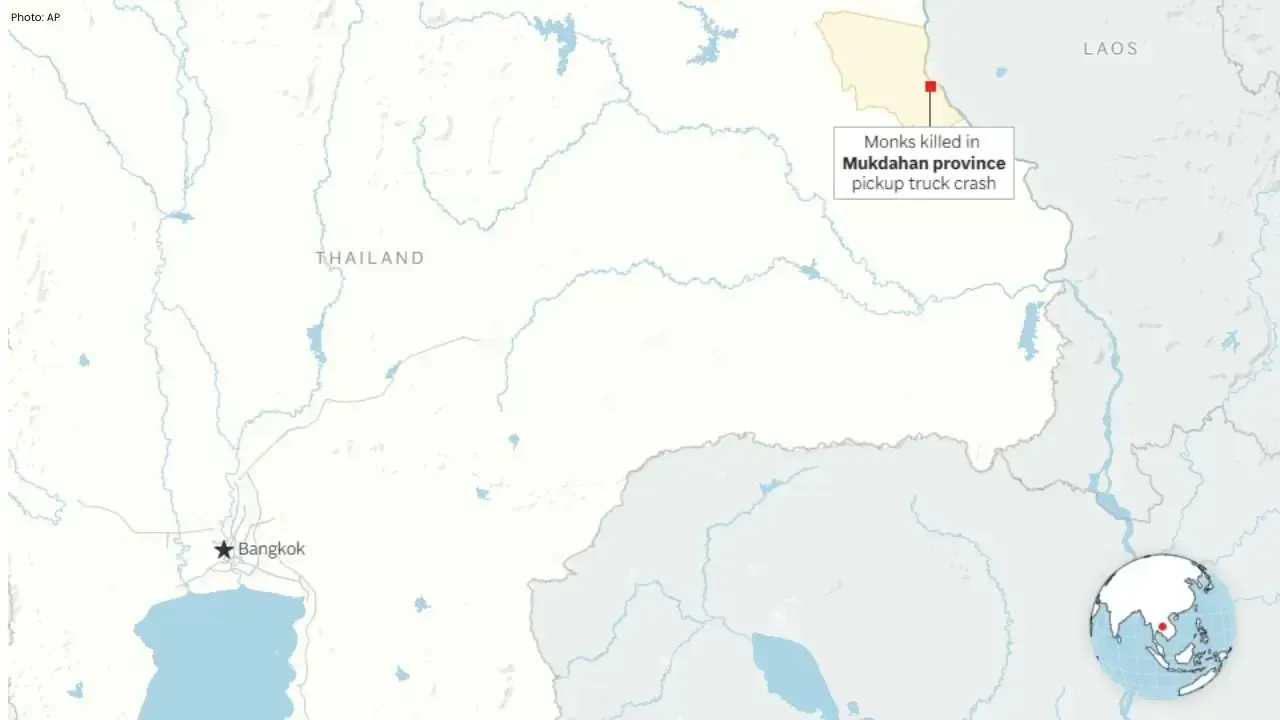
Nine Monks Killed in Thailand Pickup Truck Tragedy
An 11-year-old boy driving a pickup truck crashed into monks during a pilgrimage in northeastern Tha