You have not yet added any article to your bookmarks!
Join 10k+ people to get notified about new posts, news and tips.
Do not worry we don't spam!
Post by : Saif Rahman
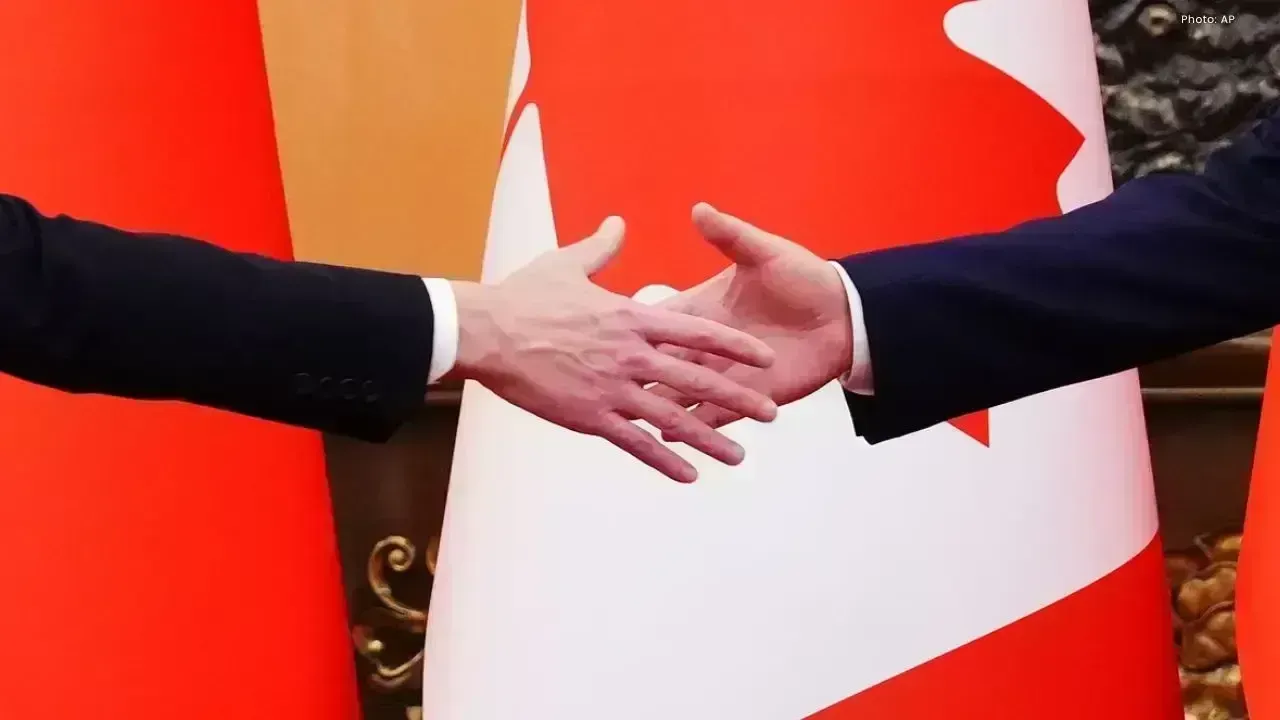
Canada’s recent diplomatic overture to China highlights the rapidly evolving landscape of global politics. Prime Minister Mark Carney’s journey to Beijing focused not merely on formalities, but on establishing a balanced approach in a world where traditional alliances face new pressures.
During his four-day visit, Carney engaged with Chinese President Xi Jinping, seeking to mend relations that have been tense for nearly a decade due to various political and economic disputes. This encounter marked a shift, with both leaders exhibiting a positive tone that hinted at a potential new chapter.
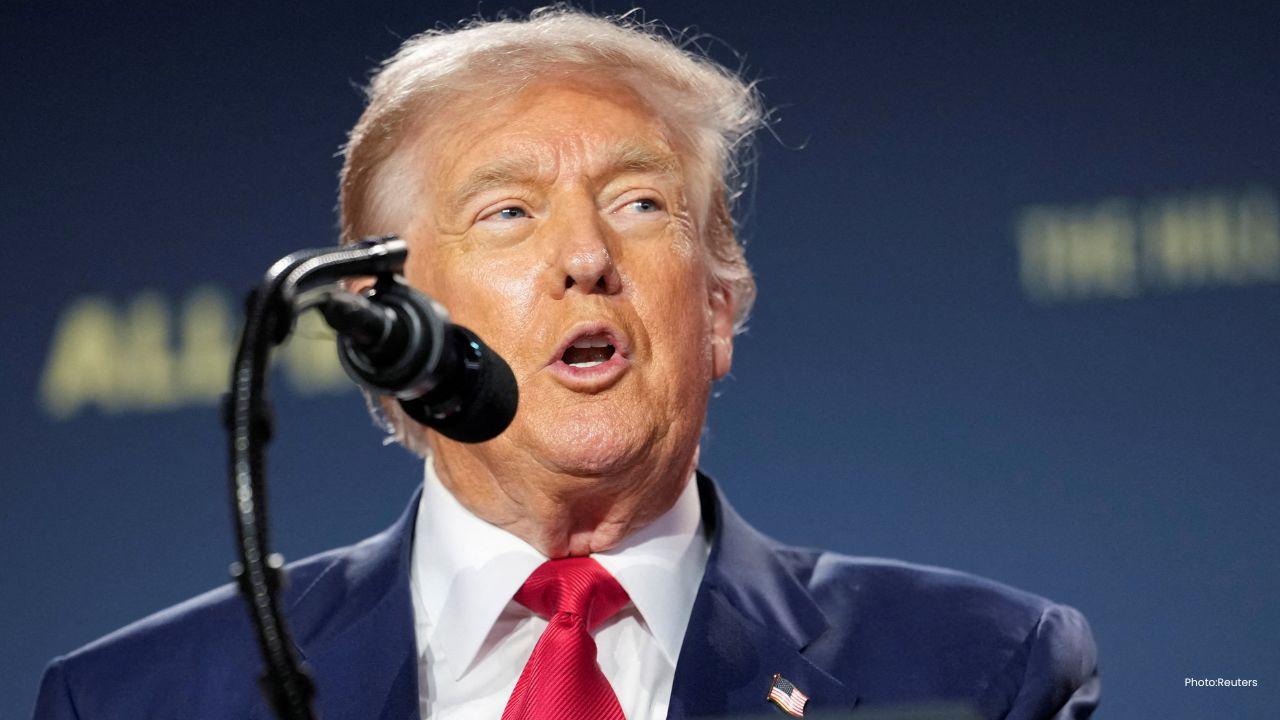
However, while the meeting was a direct dialogue between two leaders, U.S. President Donald Trump loomed large over the discussions. His often unpredictable policy decisions have encouraged several nations, including Canada, to reassess their dependency on the United States.
Historically, Canada and the U.S. have enjoyed a robust partnership in trade and security, but recent tensions, including tariffs that have impacted Canadian businesses, have raised concerns among Canadian officials.
In this context, Canada’s outreach towards China represents a quest for what many are terming “strategic autonomy.” Essentially, Canada aims to diversify its international relationships, rather than relying solely on a single dominant ally, thus bolstering its economic and security framework.
China stands as Canada’s second-largest trading partner after the U.S. Carney made it clear that diversifying dependencies is crucial, especially amidst an unstable global trade environment. He acknowledged the significant cultural and political differences between Canada and China, particularly regarding human rights issues, but emphasized that trade and communication can still progress despite these disparities.
The trip yielded tangible outcomes, with Canada agreeing to lower its steep tariffs on Chinese electric vehicles and, in turn, China committing to reducing tariffs on vital Canadian agricultural products, such as canola seeds. This collaboration promises to benefit both economies as they cope with inflationary pressures and trade obstacles.
Under this new agreement, Canada will permit a gradual increase in the number of Chinese electric vehicles entering its markets at lower tariffs, while China will significantly cut tariffs on Canadian canola, providing farmers with enhanced access to a vast consumer base.
Beyond trade specifics, the visit sends a broader political signal: Canada is exploring alternative pathways. This does not signify a complete withdrawal from U.S. relations, but it highlights Ottawa’s intent to pursue greater autonomy in its diplomatic decisions.
Analysts suggest that China benefits from warming ties with Canada, as it seeks to position itself as a counterbalance to U.S. dominance. Furthermore, the cultural and community ties between the two nations add layers of complexity to their relationship, particularly as millions in Canada have Chinese heritage.
Chinese state media characterized the visit as timely, citing rising global uncertainty and protectionism as challenges that both nations face, particularly in the context of U.S. trade tactics.
Notably, both Carney and Xi chose their words with care. While Xi spoke generally of stability, Carney refrained from overt criticism of Washington, suggesting that Canada's recent interactions with China felt more reliable. In a volatile world, predictability in diplomacy is increasingly valued.
Some analysts posit that while China advocates for a strong and stable Canada, Trump’s approach favors a weaker neighbor that can be influenced more easily. Regardless of the accuracy of this perspective, it underscores the differing dynamics that shape contemporary global politics.
Trump responded to Canada’s engagement with China with measured understanding, indicating it was sensible for Canada to safeguard its interests. Nonetheless, many are left wondering how this calm will persist, given Trump’s record of rapid shifts in tone.
Currently, Carney’s diplomatic venture has provided Canada with much-needed flexibility, demonstrating to its citizens and businesses that the country is not limited to a singular diplomatic path. It also reinforces the notion that middle powers like Canada can still excel in strategic diplomacy within a fragmented global environment.
The long-term ramifications of this revived Canada-China relationship are still unfolding. Although political and human rights challenges remain, diplomacy thrives on navigating differences rather than ignoring them.
Ultimately, as Canada seeks balance and stability, the success of this strategy will hinge not just on interactions between Beijing and Ottawa but also on future decisions made in Washington.




George Russell Wins Dutch GP Sprint, Boosts Mercedes Morale
George Russell wins the Dutch GP Sprint from pole as Mercedes teammate Kimi Antonelli extends his F1

Australia 50/3 After Bangladesh Bowled Out for 64 in Second Test
Australia reached 50/3 after Bangladesh were bowled out for 64 in the second Test, with Mitchell Sta

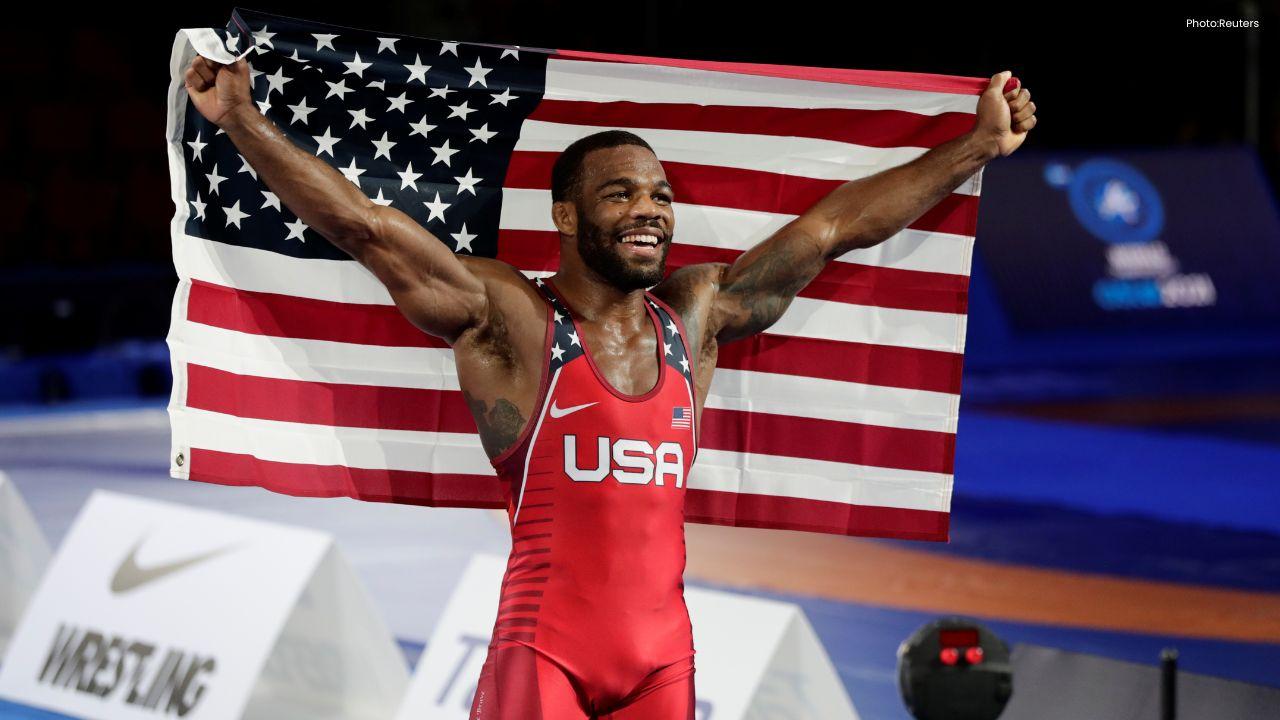
Jordan Burroughs Returns to Wrestling with 2028 Olympic Dream
Jordan Burroughs returns to wrestling with Real American Freestyle as the Olympic champion eyes a po

Lamborghini Catches Fire on Singapore's ECP, Causing Heavy Traffic
A Lamborghini caught fire on Singapore's ECP, causing heavy traffic and bus delays. No injuries were

Bangkok Airport Duty-Free Area Flooded by Pipe Burst
A burst water pipe flooded the duty-free shopping area at Bangkok's Suvarnabhumi Airport on July 16,
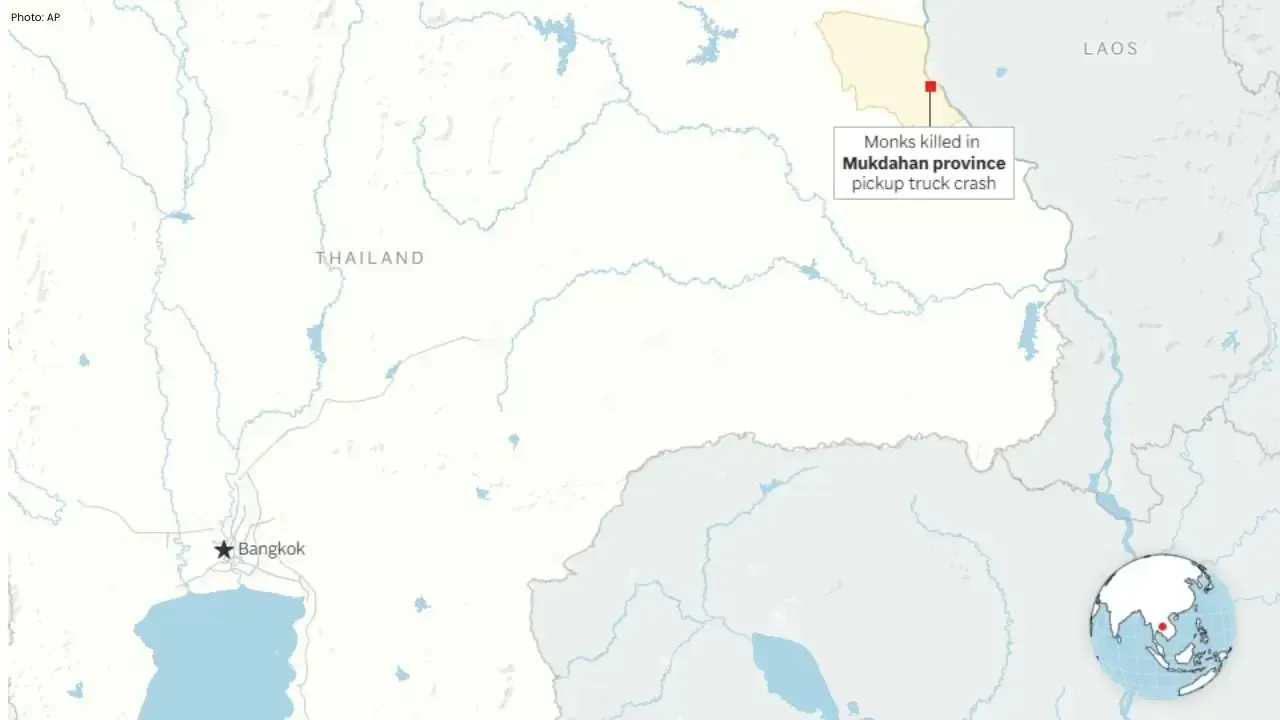
Nine Monks Killed in Thailand Pickup Truck Tragedy
An 11-year-old boy driving a pickup truck crashed into monks during a pilgrimage in northeastern Tha