
You have not yet added any article to your bookmarks!
Join 10k+ people to get notified about new posts, news and tips.
Do not worry we don't spam!
Post by : Saif Rahman
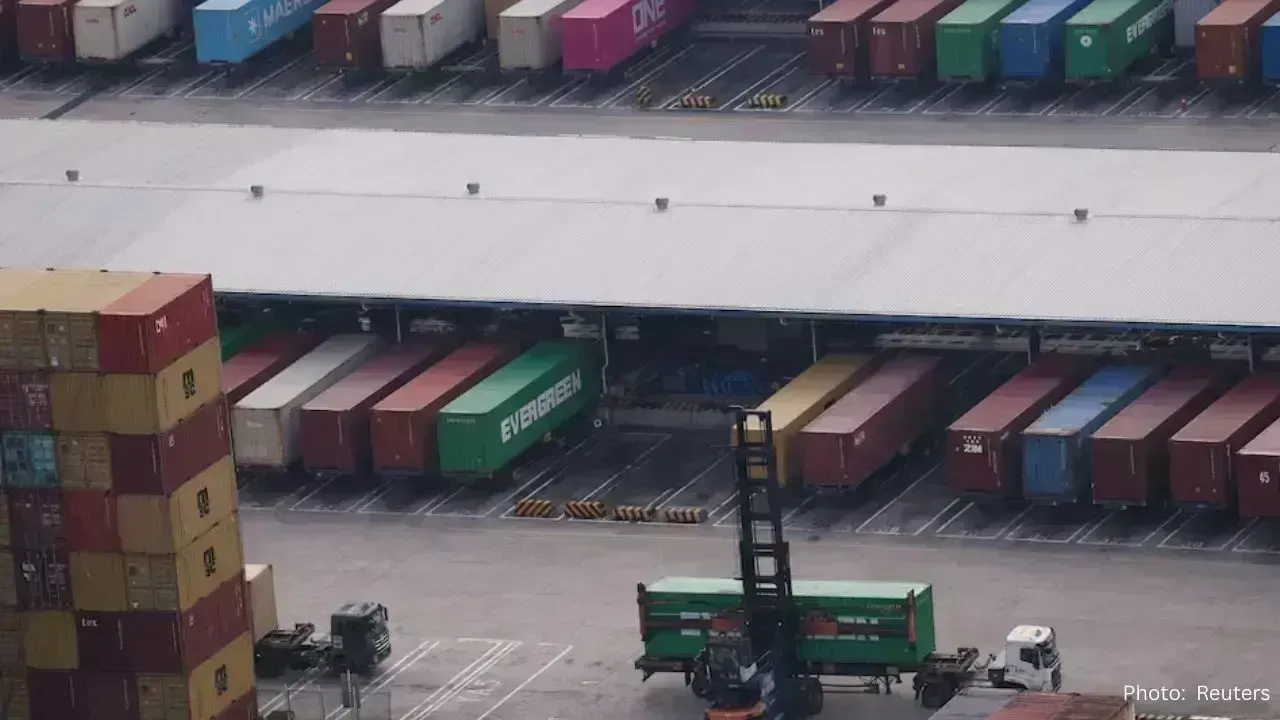
In 2025, China closed the year with an unprecedented trade surplus of approximately $1.2 trillion, as per official customs reports. This remarkable achievement occurred despite facing renewed tariff challenges from the United States during President Trump’s tenure. The impressive trade outcome highlights China's strategic pivot towards enhancing exports in markets beyond the U.S.
The surplus was estimated at around $1.189 trillion, equating to the economic output of several large nations. Throughout the year, exports demonstrated robust growth, while imports also surged more than anticipated in the closing months. In December alone, exports saw a year-on-year rise of 6.6%, and imports increased by 5.7%, both exceeding economists' forecasts.
China's strong exports were largely driven by increased sales to Southeast Asia, Africa, Latin America, and Europe. Exports to African nations rose by over 25%, while shipments to Southeast Asian countries rose by more than 13%. Trade with the European Union saw a steady uptick as well. Conversely, exports to the U.S. plummeted by around 20% during the year, underscoring the significant effects of U.S. tariffs.
Chinese officials noted that diversifying its trading partners has fortified the nation's economy, allowing it to mitigate the adverse effects of trade disputes with Washington. Many firms in China have also expanded their production bases overseas, thus circumventing increased tariffs and improving access to international markets.
While economists commend China’s robust manufacturing capabilities and advancing technologies, they express concern over weak domestic demand, which has compelled companies to seek more overseas sales, sometimes at lower price points. This trend raises alarms in other nations regarding potential impacts on local industries.
Ongoing trade tensions remain a significant threat, with President Trump continually suggesting additional tariffs, including sanctions on nations engaging with Iran, which could subsequently affect China. Although some U.S. legal rulings may curb tariff escalations, uncertainty persists.
China has begun acknowledging the risks associated with over-reliance on exports. Recently, it lifted tax incentives for solar panel exporters, a gesture perceived as an effort to ease tensions with trade partners. Nonetheless, analysts anticipate that China will continue to garner greater global market share in 2026, particularly in electronics, machinery, and resources such as rare earth elements.
Ultimately, China's record trade surplus underscores both its economic resilience and the looming challenges. While these exports play a vital role in sustaining growth, increasing global anxieties and political rifts may challenge the sustainability of this strategy.










PM Modi Pays Tribute to Mahatma Gandhi, Urges People to Support Khadi
PM Modi pays tribute to Mahatma Gandhi on Gandhi Jayanti and urges citizens to support Khadi and the

Amazon Seeks to Offload $8 Billion in Nvidia Chips to Investors
Amazon plans to move $8 billion in Nvidia chips to investors, using a new financing model to strengt

Samsung Raises Galaxy S26 Prices as Memory Chip Costs Rise
Samsung raises Galaxy S26 prices in South Korea as rising memory chip costs put pressure on smartpho

Lewis Hamilton Calls Singapore Grand Prix One of F1's Toughest Races
Lewis Hamilton discusses the demanding Singapore Grand Prix and brings Plus44 and Almave to Singapor

Denmark's Pandora Opens World's Largest Jewellery Factory in Vietnam
Pandora opens its largest jewellery factory in Vietnam, expanding global production, strengthening s

Gautam Gambhir Questions Batting-Friendly Pitches After India's Record ODI Chase
Gautam Gambhir questions batting-friendly ODI pitches after India’s record chase, calling for a bett

