You have not yet added any article to your bookmarks!
Join 10k+ people to get notified about new posts, news and tips.
Do not worry we don't spam!
Post by : Rameen Ariff
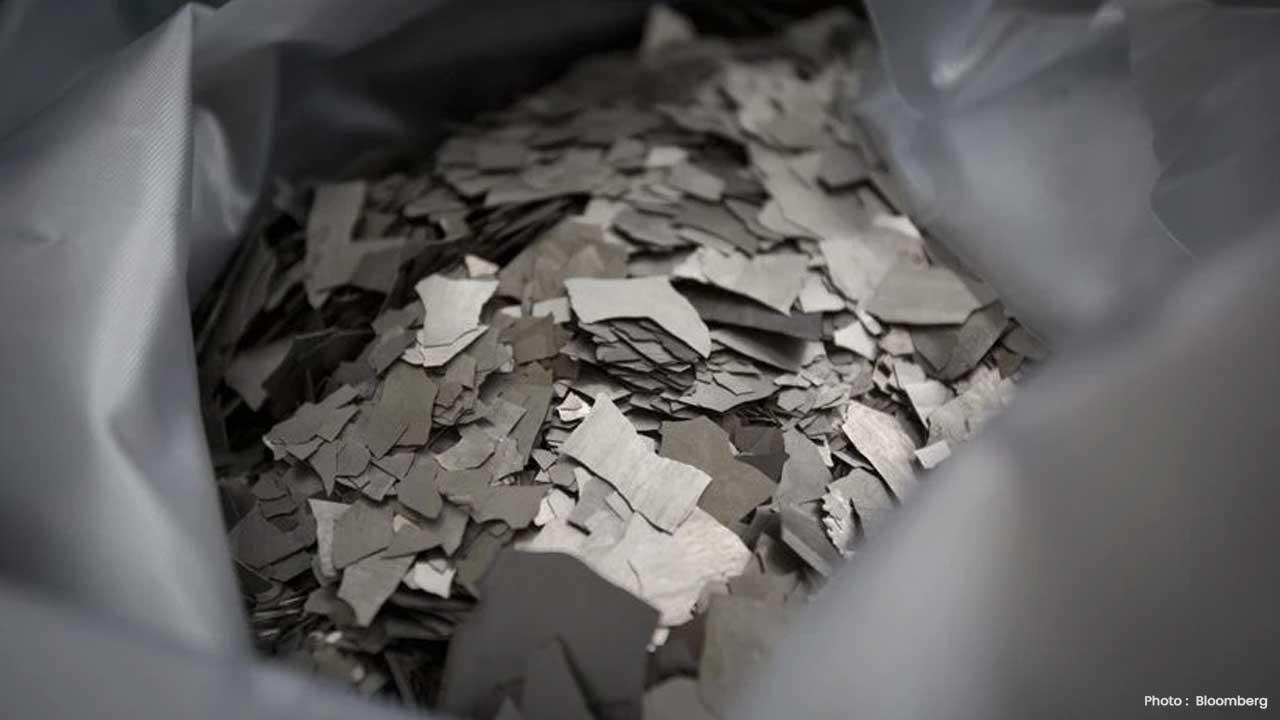
China has announced stricter regulations on the export of rare earth elements, which are essential for producing high-tech products, including electronics, electric vehicles, and defense equipment. The new rules, issued by China’s Ministry of Commerce, aim to safeguard national security and formalize existing controls over processing technology and unauthorized cooperation with foreign firms.
Under the new regulations, rare earth mining, smelting, separation, and magnet manufacturing technologies can only be exported with government approval. Companies are prohibited from collaborating with foreign firms on rare earth projects without prior permission. Moreover, licenses are unlikely to be granted to foreign arms manufacturers and certain semiconductor companies, highlighting Beijing’s focus on protecting sensitive technologies.
These restrictions come at a crucial time in US-China trade negotiations. Rare earth exports have long been a point of contention between the two countries, especially with high-level meetings expected between President Xi Jinping and US President Donald Trump later this month. Experts note that China’s move mirrors previous US restrictions on chip-making equipment exports to China, targeting vulnerabilities in US electronics and defense manufacturing.
Rare earths, including elements like neodymium, yttrium, and europium, are vital for numerous products. Neodymium, for instance, is used in powerful magnets for loudspeakers, hard drives, electric car motors, and jet engines, making these products smaller and more efficient. China dominates the rare earth industry, producing about 61% of global rare earths and processing 92% of them, giving Beijing a near-monopoly on this critical sector.
The tightened rules are expected to have a significant impact on the US rare earth industry, which has mining capabilities but limited processing infrastructure. By restricting technology exports and collaboration, China strengthens its control over the global rare earth supply chain, affecting industries from semiconductors to green energy.
As international concerns rise over rare earth dependency, China’s latest move underscores the strategic importance of these elements in both civilian and military applications, and the growing geopolitical stakes in technology and trade.








PSG Coach Luis Enrique Urges Players to Step Outside Comfort Zone
PSG coach Luis Enrique says players must leave their comfort zone and keep improving as the club tar

China’s Tiangong Sets New 400m Record at Robot Olympics
China’s Tiangong robot sets a new 400m record at the Robot Olympics, beating a South African robot i

George Russell Wins Dutch GP Sprint, Boosts Mercedes Morale
George Russell wins the Dutch GP Sprint from pole as Mercedes teammate Kimi Antonelli extends his F1

Australia 50/3 After Bangladesh Bowled Out for 64 in Second Test
Australia reached 50/3 after Bangladesh were bowled out for 64 in the second Test, with Mitchell Sta

Jordan Burroughs Returns to Wrestling with 2028 Olympic Dream
Jordan Burroughs returns to wrestling with Real American Freestyle as the Olympic champion eyes a po

Lamborghini Catches Fire on Singapore's ECP, Causing Heavy Traffic
A Lamborghini caught fire on Singapore's ECP, causing heavy traffic and bus delays. No injuries were