You have not yet added any article to your bookmarks!
Join 10k+ people to get notified about new posts, news and tips.
Do not worry we don't spam!
Post by : Meena Ariff
Photo: Reuters
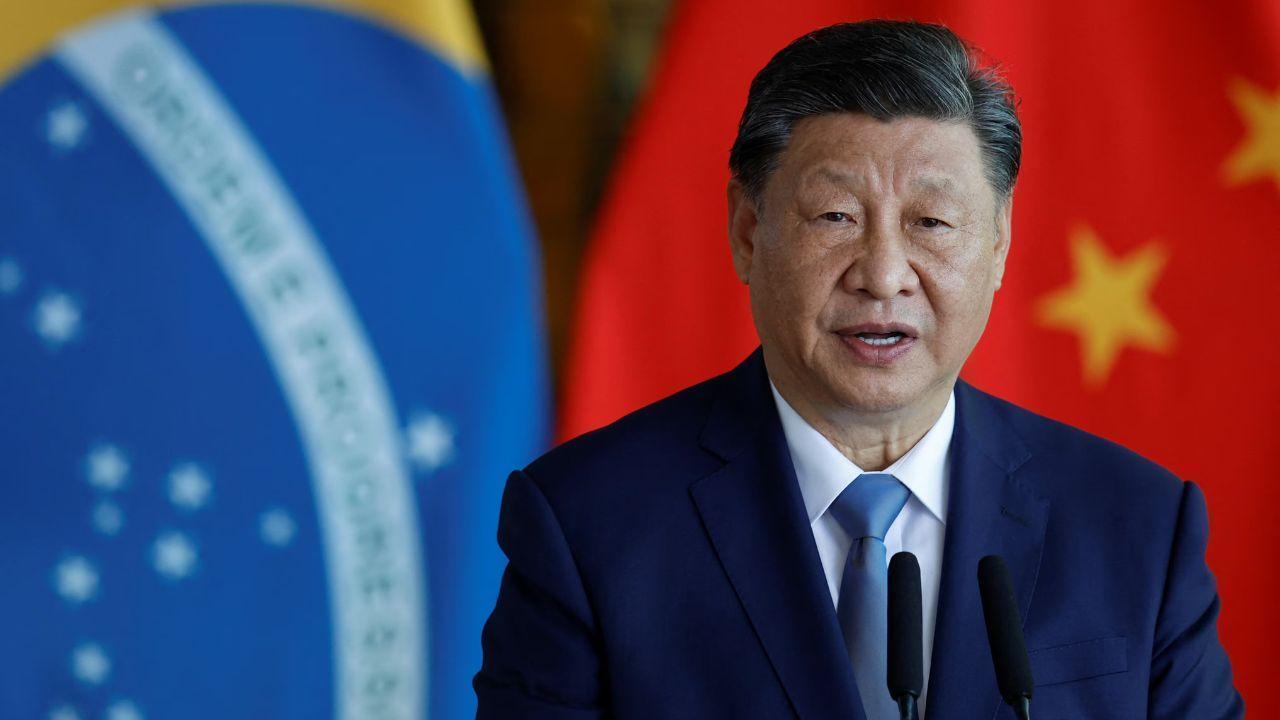
China has made a big change in how its army is led. Instead of one person having all the power, the country is now bringing back a system where many top leaders work together to make decisions. This is called collective leadership. President Xi Jinping has taken this step as part of a bigger plan to clean up the army and stop corruption among military leaders.
This move comes after several top army officers were removed from their jobs. Many of them were accused of not doing their duties properly or being involved in unfair practices. The government did not give full details, but it was clear that something serious had gone wrong.
Understanding Collective Leadership
Collective leadership means that power is not held by one single person. Instead, a group of leaders makes decisions together. This system was used in China’s army in the past, but over the years, it has changed. Some military branches became controlled by strong individuals who held too much power. This led to problems, and in some cases, to corruption.
By returning to collective leadership, the Chinese government wants to make sure that no one person becomes too powerful. It also hopes to stop wrong actions before they start. When more people are involved in making choices, it becomes harder to hide mistakes or dishonest actions.
Changes in the Rocket Force
One of the most important changes happened in a special part of the Chinese army called the Rocket Force. This force controls long-range missiles, including nuclear weapons. In the last year, two of its top leaders were suddenly removed from their positions. They were replaced by officers from other branches of the military, such as the Navy and the Air Force. This was unusual, as these forces usually do not mix at such high levels.
Experts say that these new leaders were chosen because they are trusted by President Xi. They do not have close ties with the people who were removed. This makes it easier to rebuild the force without old problems returning.
Fighting Corruption in the Army
President Xi Jinping has said many times that corruption is a danger to China’s army. He believes that if military officers are dishonest or careless, it could hurt the country’s safety. That’s why he has made it a goal to find and remove anyone who is not doing their job properly.
In the past year alone, many high-level army leaders have been taken out of their positions. Some were from companies that make weapons for the military. Others were from important army branches. These actions are part of a wider plan to make the army cleaner, more loyal, and more focused on national security.
A New Way of Leading
In earlier times, powerful generals in China’s army could make major decisions by themselves. But that is now changing. The army is shifting to a method where choices are made by teams, not individuals. This is seen as safer and more balanced. It also helps avoid the problem of one leader becoming too strong and ignoring others.
This team-based method matches the way China’s government is run in other areas. President Xi wants all parts of the government and military to work in a similar way—under the full control of the Communist Party, with no single person standing out too much.
Slower, but Safer Decisions
Some experts believe that collective leadership might slow down how quickly decisions are made. When many people are involved, it can take longer to agree on what to do. But the hope is that the decisions will be better thought out and less likely to cause problems in the future.
This could mean fewer sudden changes or bold moves from the military, but more careful planning and teamwork. President Xi appears to believe that this is a good trade-off, especially if it helps keep the army honest and under control.
Loyalty and Discipline First
One of Xi Jinping’s main goals is to make sure that the Chinese army is disciplined, focused, and loyal to the country and the Communist Party. By removing bad leaders and bringing back team-style leadership, he is trying to create a system that works better in the long term.
He wants the army to be modern, clean, and powerful—but also to follow rules and never work against the government. This is why the new leaders being chosen are often those who have shown strong loyalty and have no ties to past problems.
China’s return to collective leadership in its military shows a major shift in how the country is thinking about power and control. By removing powerful individuals and replacing them with trusted teams, the government is hoping to create a safer, more reliable system for running its army.
This change may take time to show results, but it is a clear signal that President Xi wants total control over the military. He sees the army not just as a force to protect the country, but as a part of the larger political system. Any weakness or corruption in the military is seen as a threat to the whole nation.
China’s decision to bring back group leadership in its military is part of a larger effort to fight corruption and prevent any one person from gaining too much power. President Xi Jinping has made it clear that loyalty and honesty are the most important qualities in army leaders. Through this new system, he is hoping to build a stronger, more united military—one that follows the rules, works together, and stays focused on protecting the country.



APEC Members Emphasise Safe and Responsible Use of Artificial Intelligence
APEC members discuss responsible AI use, digital innovation and data governance as China and the US

Union of European Clubs Challenge UEFA and EFC Over EU Competition Rules
UEC files an EU competition complaint against UEFA and EFC, challenging club representation, governa

Mohammed Shami Retires From Test Cricket, Eyes White-Ball Career
Mohammed Shami retires from Test cricket after 13 years, with 229 wickets. He will continue playing

Singapore Warns Users About Privacy and Security Risks of AI Agents
Singapore warns users about AI agent security risks, data privacy, online scams and unauthorised acc
Chris Lynn Completes One-Month Ban After Positive Cocaine Test
Australian cricketer Chris Lynn completes a one-month ban after a positive cocaine test during the T
Djokovic Eyes Strong Season Finish as Health Improves Ahead of Paris Masters
Novak Djokovic reports improved health and performance as he targets a strong Paris Masters finish a