You have not yet added any article to your bookmarks!
Join 10k+ people to get notified about new posts, news and tips.
Do not worry we don't spam!

Post by : Meena Ariff
The passing of Peng Peiyun, former head of China’s Family Planning Commission and a key figure behind the one-child policy, has ignited a wave of criticism rather than praise on social media platforms in China. Peng, who died in Beijing just before turning 96, was officially lauded by state media for her leadership on issues related to women and children during her tenure from 1988 to 1998. However, public reaction online has been far less forgiving.
China’s one-child policy, enforced nationwide from 1980 to 2015, was a strict measure aimed at curbing rapid population growth. Local officials were known to compel women to undergo forced abortions and sterilizations, causing widespread human rights concerns. Social media users have openly condemned the policy’s harsh legacy, with some posting emotional messages reflecting on the millions of children who were never born or were lost to the policy.
Many highlighted the profound demographic consequences China now faces. After decades of population control, China’s total population declined for the third consecutive year in 2024, falling to 1.39 billion. This marks a historic shift, with China’s population now smaller than India’s, which overtook China in 2023. Experts warn this downward trend will intensify, potentially impacting the country’s workforce and economic growth.
During her leadership, Peng focused the family planning efforts heavily on rural areas, where large families were traditionally valued both for labor and old-age support. The preference for sons led to gender imbalances through selective abortions and neglect of infant girls. Many commentators lament that the children lost to the policy would now be in their prime years, contributing to society and the economy.
In recent years, Peng herself publicly shifted her stance, advocating for relaxation of birth restrictions. Today, the Chinese government has reversed course, introducing incentives like childcare subsidies, extended maternity leave, and tax benefits to encourage families to have more children.
The demographic crisis has created mounting concerns about the economic strain of a shrinking and aging population. With fewer workers to support retirees and rising healthcare and pension costs, local governments already struggling with debt face increasing fiscal pressures. China’s future economic stability may hinge on how successfully it can adapt to these deep demographic changes.










Lamborghini Catches Fire on Singapore's ECP, Causing Heavy Traffic
A Lamborghini caught fire on Singapore's ECP, causing heavy traffic and bus delays. No injuries were

Bangkok Airport Duty-Free Area Flooded by Pipe Burst
A burst water pipe flooded the duty-free shopping area at Bangkok's Suvarnabhumi Airport on July 16,

Nine Monks Killed in Thailand Pickup Truck Tragedy
An 11-year-old boy driving a pickup truck crashed into monks during a pilgrimage in northeastern Tha
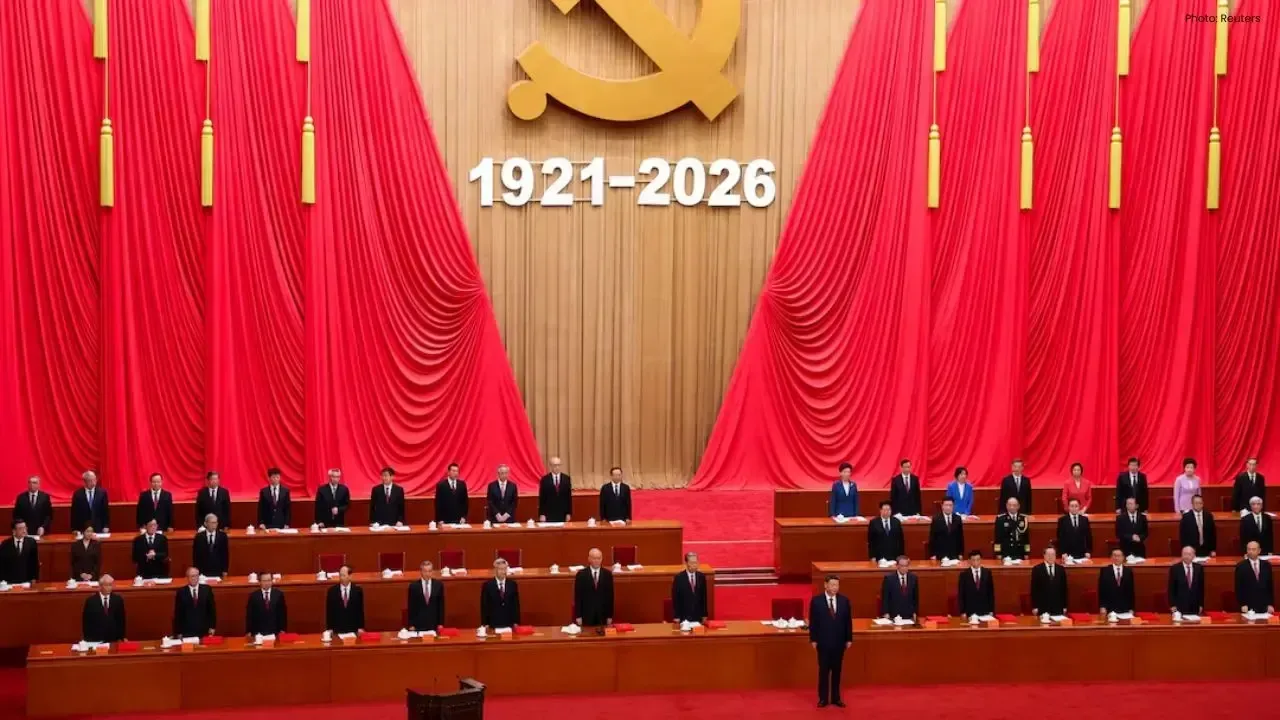
Anwar Congratulates Xi on CPC's 105th Anniversary
Malaysia reaffirms strong ties with China as PM Anwar Ibrahim sends a congratulatory letter to Presi

Thai Agriculture Team Reviews 2026 Farm Development Plans
Agriculture Ministry officials inspected livestock and organic rice projects in Nakhon Sawan to moni

Thailand, Canada Boost Ties in PM-Level Phone Talks
Thailand and Canada agreed to strengthen trade, security, OECD cooperation and ASEAN-Canada FTA talk