You have not yet added any article to your bookmarks!
Join 10k+ people to get notified about new posts, news and tips.
Do not worry we don't spam!
Post by : Badri Ariffin
In a significant move reflecting a tougher U.S. stance towards Beijing, Congress has enacted a comprehensive defense authorization bill filled with initiatives to curtail China’s military and economic expansion. The extensive 3,000-page National Defense Authorization Act (NDAA), approved by the House on Wednesday, establishes new limits on American investments in sensitive sectors within China and aims to diminish dependence on Chinese biotech firms. The bill is now set to be reviewed by the Senate.
This legislation emerges at a time when the Trump administration seems to have softened its public rhetoric on China, emphasizing a delicate trade agreement and economic partnerships. Conversely, on Capitol Hill, members from both parties are pursuing a contrasting strategy by embedding durable safeguards against Chinese influence across national security, technology, and supply chains.
The NDAA stipulates that investments in China will face increased scrutiny to ensure no capital supports advancements in Beijing’s military capabilities. Furthermore, the bill restricts the allocation of federal funds for acquiring equipment or services from biotech firms assessed as national security threats. Unlike earlier versions, this one instructs federal agencies to compile the list of such companies instead of naming them directly.
Regarding Taiwan, the legislation broadens security assistance to the self-governing entity, raising authorized funding to $1 billion and mandating the Pentagon to collaborate with Taipei on joint drone and counter-drone initiatives. Additional provisions support Taiwan's endeavors to enter the International Monetary Fund, framed as a means to bolster the island’s economic resilience.
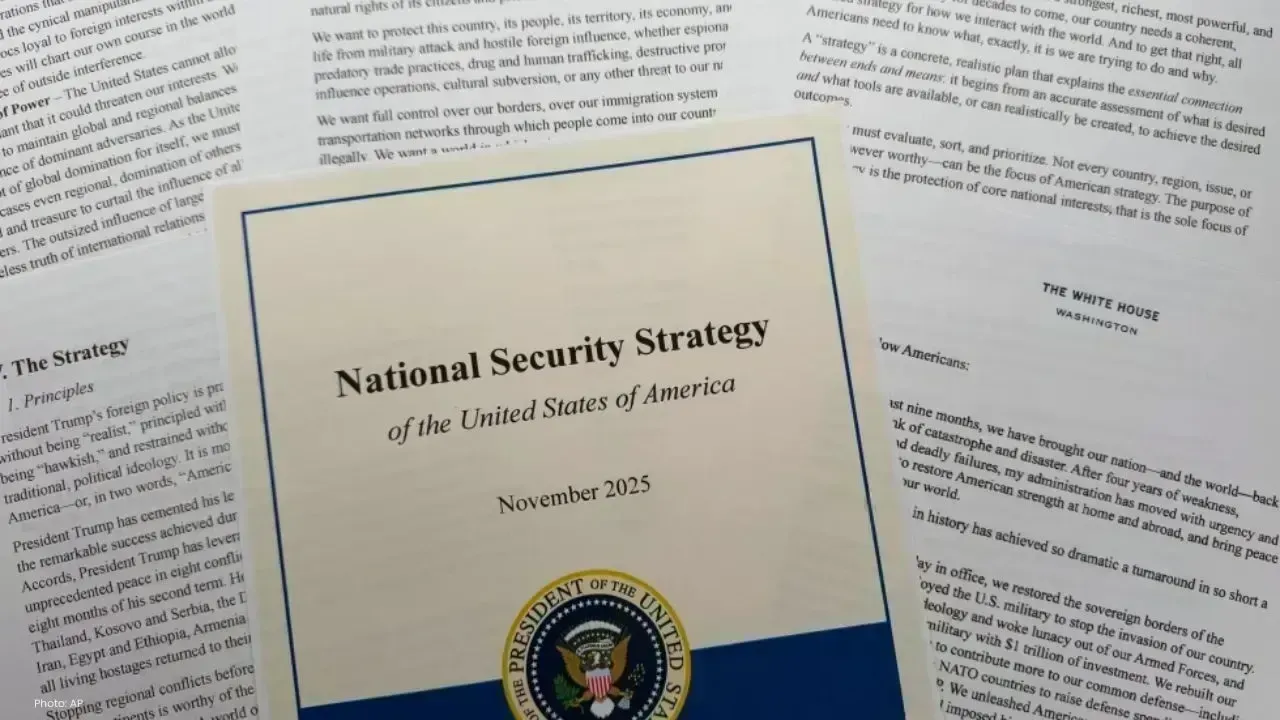
These developments unfold amidst mixed signals from the White House. While the administration’s updated national security strategy downplays past assertions labeling China as a strategic threat, Congress’ stance highlights a stronger, long-range approach. The recent greenlight for Nvidia to sell specific advanced chips to China has also sparked concern among lawmakers wary of aiding Beijing’s artificial intelligence advancements.
Despite Beijing’s vehement objections, which accuse Washington of escalating tensions and undermining bilateral relations, the NDAA’s China-focused initiatives underscore Congress as a pivotal player in fostering a more adversarial U.S. policy. If enacted, this bill would establish regulations and protections that succeeding administrations might find challenging to reverse quietly, signifying a crucial shift in the trajectory of U.S.–China relations.








Josh Kerr and Jakob Ingebrigtsen Set for 1,500m Rivalry Rematch
Josh Kerr and Jakob Ingebrigtsen will renew their 1,500m rivalry at the Ultimate Championship in Bud

PSG Coach Luis Enrique Urges Players to Step Outside Comfort Zone
PSG coach Luis Enrique says players must leave their comfort zone and keep improving as the club tar

China’s Tiangong Sets New 400m Record at Robot Olympics
China’s Tiangong robot sets a new 400m record at the Robot Olympics, beating a South African robot i

George Russell Wins Dutch GP Sprint, Boosts Mercedes Morale
George Russell wins the Dutch GP Sprint from pole as Mercedes teammate Kimi Antonelli extends his F1

Australia 50/3 After Bangladesh Bowled Out for 64 in Second Test
Australia reached 50/3 after Bangladesh were bowled out for 64 in the second Test, with Mitchell Sta
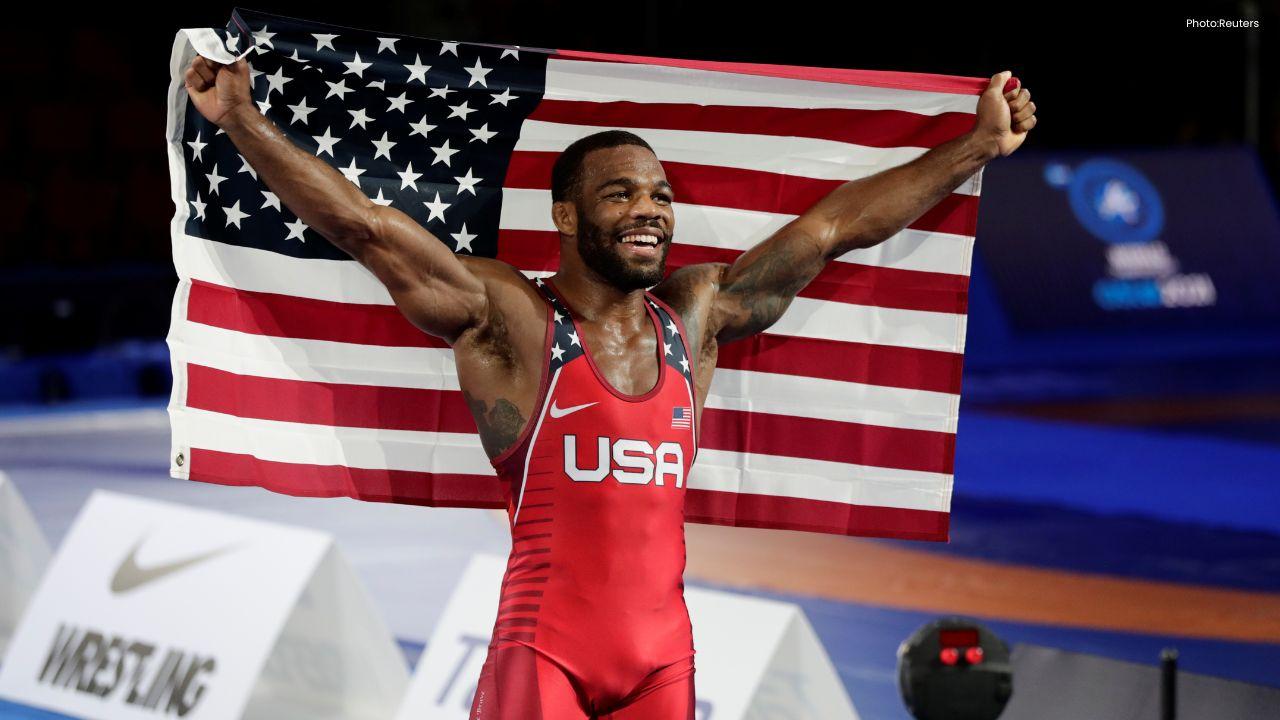
Jordan Burroughs Returns to Wrestling with 2028 Olympic Dream
Jordan Burroughs returns to wrestling with Real American Freestyle as the Olympic champion eyes a po