
You have not yet added any article to your bookmarks!
Join 10k+ people to get notified about new posts, news and tips.
Do not worry we don't spam!
Post by : Saif Rahman
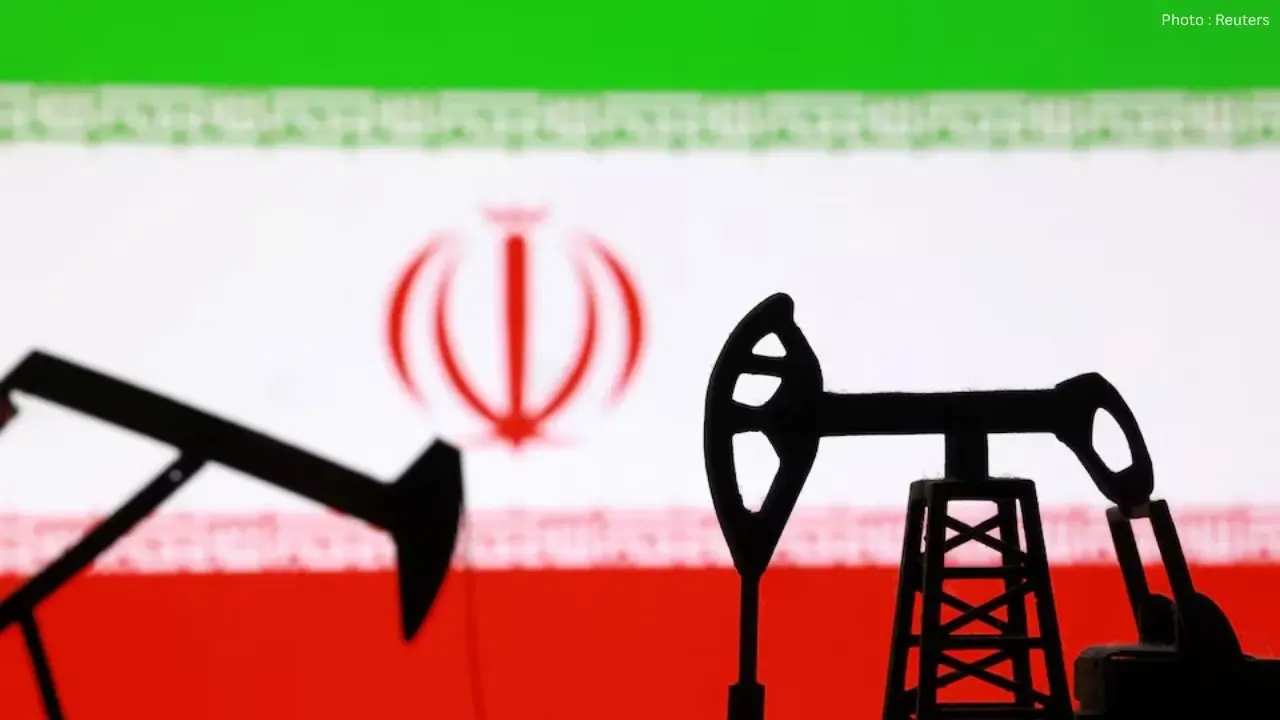
According to trade sources, Iranian crude oil supplies to Chinese buyers have dropped considerably due to a US blockade limiting shipments from Iran. The number of cargoes available for delivery in September and October has diminished, pushing prices for certain Iranian crudes upward.
The United States reinstated its blockade on Iranian shipping and ports on July 13 after negotiations to resolve the conflict between Washington and Tehran fell apart. This action has exacerbated Iran's difficulties in exporting oil, which is vital for its foreign currency earnings.
Since mid-July, Iranian oil exports have experienced a noticeable decline. Ship-tracking data indicates no supertankers transporting Iranian crude have crossed the Strait of Hormuz during this time frame, although tracking is complicated as some vessels disable their location systems.
The cutbacks in Iranian oil are posing challenges for independent Chinese refiners, notably referred to as “teapots.” These refineries, primarily located in Shandong province, constitute roughly one-fifth of China's refining capacity and are significant consumers of sanctioned crude.
Reportedly, Iranian oil that once bore considerable discounts is now being sold at premiums over Brent crude prices. Estimates suggest a premium of approximately $2 per barrel, contrasting with earlier discounts of about $3 per barrel.
Furthermore, the amount of Iranian crude stored on tankers outside the US blockade zone has decreased. Kpler data highlights a reduction in floating Iranian oil inventories to roughly 80 million barrels from around 105 million barrels before the blockade's reinstatement.
Analysts estimate that only approximately 30 million barrels of Iranian crude remain within Asian waters, which is about half of the typical volume.
As Iranian supplies become increasingly uncertain, Chinese refiners are on the lookout for crude from other nations.
One independent refinery has recently acquired Lapa crude from Brazil, while others are considering Iraq’s Basrah crude. Analysts predict that Chinese refiners may look beyond Iran and Russia as sanctions limit available oil.
China's imports of Iranian oil have significantly decreased compared to the previous year. Provisional figures reveal shipments of about 785,000 barrels per day in June, marking the lowest level since February 2023.
Estimates for July indicate imports at 823,000 barrels per day, but this number plummeted to roughly 534,000 barrels per day in August.
Last year, China's average imports of Iranian crude stood at around 1.4 million barrels per day.
Pressure on Iran may escalate as US Treasury Secretary Scott Bessent announced plans for what he described as the “toughest sanctions in history” against Tehran.
The United States aims to compel Iran to reopen the Strait of Hormuz and resolve ongoing conflicts. Additional restrictions may further inhibit Iranian oil from reaching global buyers.
Independent refiners in China are closely monitoring the situation, as they could become targets for increased US sanctions if they continue to procure Iranian crude.
Despite this, some industry insiders believe that more stringent sanctions might not halt purchases entirely. Refiners that previously faced US restrictions have continued to process Iranian oil.
China remains the largest purchaser of Iranian crude, accounting for over 80% of Iran’s maritime oil exports based on 2025 data.
Beijing has criticized unilateral sanctions and asserted that economic pressure will not resolve the ongoing conflict. Chinese officials are advocating for diplomatic and political negotiations instead.
Falling oil exports could intensify economic pressures on Iran, which relies heavily on energy sales for its foreign currency needs.
Previous US sanctions led to a drastic decline in Iranian oil exports back in 2019. New restrictions could once again hinder Tehran's ability to sell crude on the international stage.
This situation may result in increased costs and heightened competition for alternative supplies among Chinese refiners. Moreover, ongoing disruptions in the Strait of Hormuz could add layers of uncertainty to global oil supplies and pricing.
#Oil Prices Surge #Business & economy #Middle East Conflict #Oil Market








Michael Bracewell Chooses Casual Contract, Targets BBL Opportunity
Michael Bracewell moves to a casual contract as he eyes a BBL opportunity while remaining available

Tuchel Says Alex Scott Can Challenge Declan Rice for England Midfield Spot
Thomas Tuchel says Alex Scott can challenge Declan Rice for an England midfield place after his impr

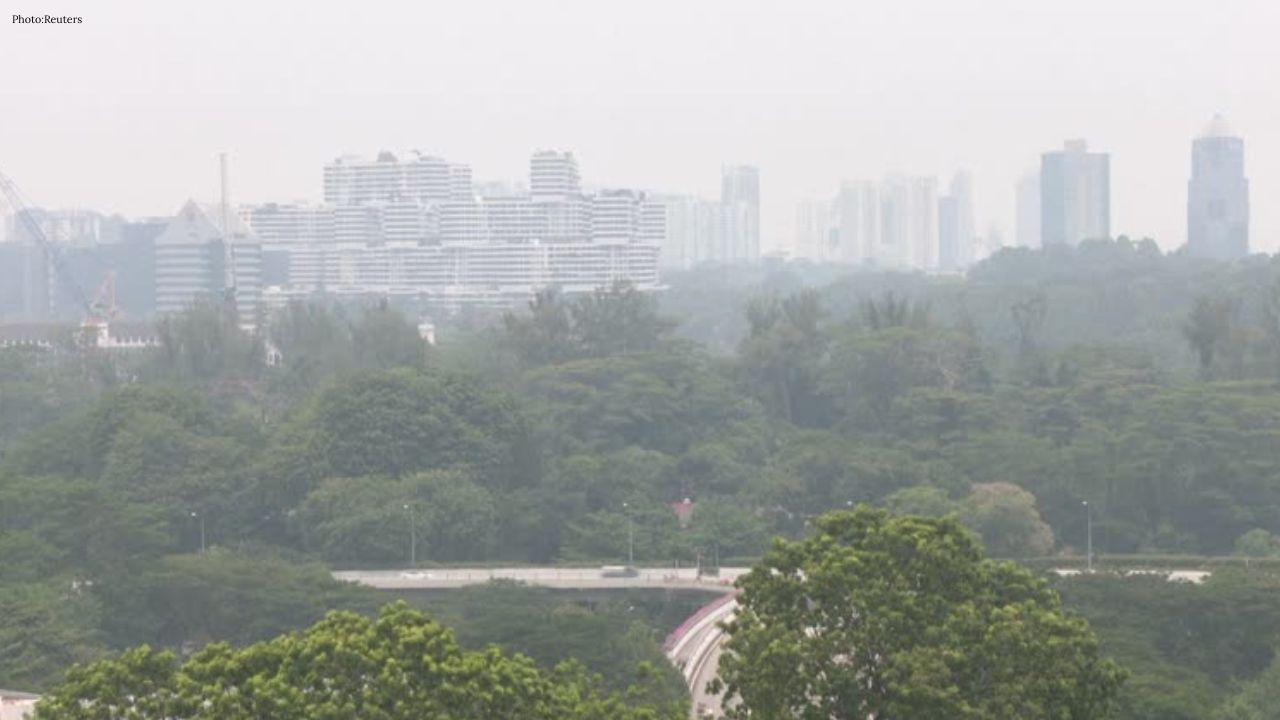
Air Quality Turns Unhealthy in Central and Western Singapore Amid Haze
Singapore haze pushes PSI above 100 in central and western areas as smoke from regional hotspots rai

PM Modi Pays Tribute to Mahatma Gandhi, Urges People to Support Khadi
PM Modi pays tribute to Mahatma Gandhi on Gandhi Jayanti and urges citizens to support Khadi and the

Amazon Seeks to Offload $8 Billion in Nvidia Chips to Investors
Amazon plans to move $8 billion in Nvidia chips to investors, using a new financing model to strengt

Samsung Raises Galaxy S26 Prices as Memory Chip Costs Rise
Samsung raises Galaxy S26 prices in South Korea as rising memory chip costs put pressure on smartpho

