
You have not yet added any article to your bookmarks!
Join 10k+ people to get notified about new posts, news and tips.
Do not worry we don't spam!
Post by : Anis Farhan
Everywhere you look, there’s a screen. We wake up to notifications, scroll through social media over coffee, switch between apps during work, unwind with online videos, and drift off with streaming content. Nowadays, disconnecting seems almost like an act of rebellion. But it's more than that: taking intentional breaks from digital overload has become essential to maintaining mental health, focus, creativity and relationships.
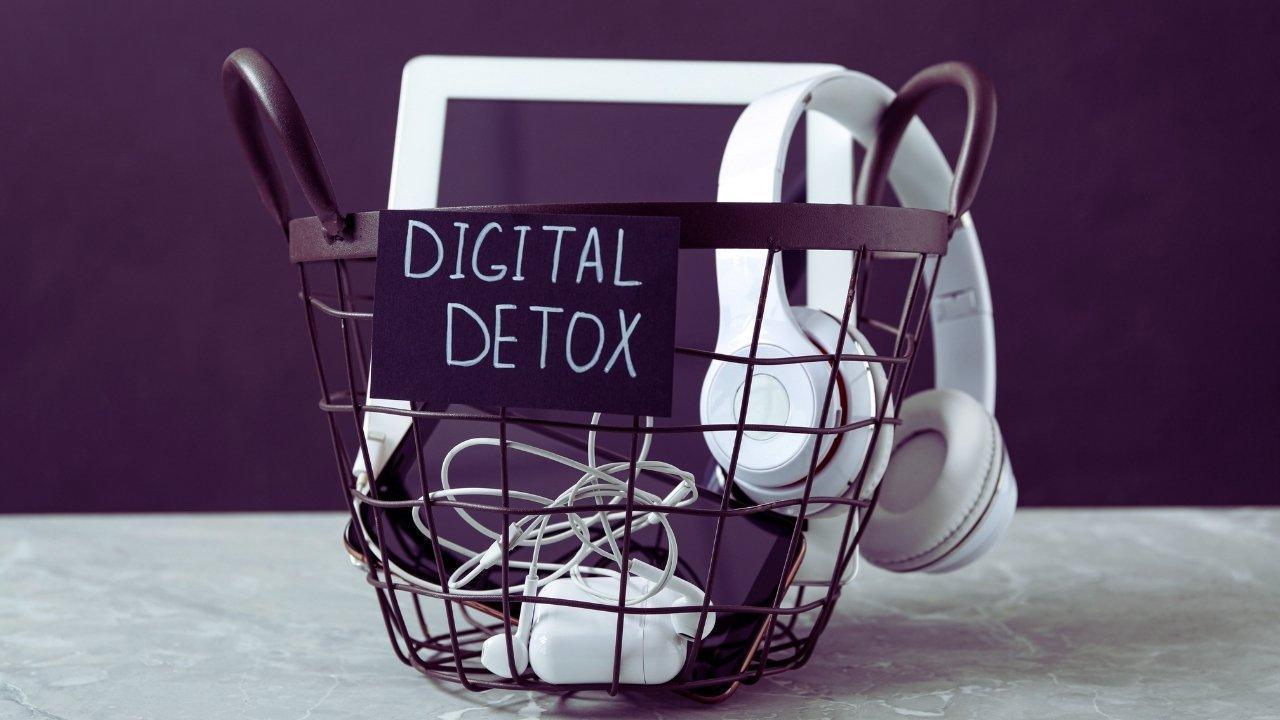
A digital detox isn’t about rejecting technology altogether. It’s about restoring balance, becoming more mindful of when and how we use digital tools, and making room for deeper experiences. In this article, we’ll explore what a digital detox is, why it matters, what science says, the risks of excessive screen time, and concrete steps you can take to unplug — even if you have a busy life.
A digital detox is a period during which a person reduces or eliminates use of electronic devices such as smartphones, computers, televisions, tablets, and social media platforms. It may involve avoiding certain apps, turning off notifications, or designating “device-free” times or spaces in your daily routine.
Some detoxes last a few hours, others extend over days or weeks. The goal is not perfection or total isolation online, but creating mindful limits, stepping away from constant digital stimuli, and allowing yourself mental space to breathe.
Here are the key areas where people tend to experience improvement when they practice a digital detox:
Improved Mental Health: Reducing screen and social media use can lower stress, anxiety, and feelings of being overwhelmed. Continuous exposure to digital notifications and online comparisons can heighten tension. A break helps calm the mind and reduce the emotional load.
Better Sleep Quality: Screens, especially around bedtime, interfere with natural sleep cycles. Blue light suppresses melatonin, making it harder to fall asleep. Stepping away from devices in the evening often leads to deeper, more restful sleep and easier waking.
Enhanced Focus and Productivity: With fewer digital interruptions and fewer pinging notifications, it's easier to concentrate deeply on tasks. Creativity improves when your mind is allowed to wander without the pull of constant digital distraction.
Stronger Relationships: Time spent away from screens can lead to more meaningful interactions with family and friends. Presence matters — being fully attentive in conversations rather than half-distracted builds deeper bonds.
Physical Well-Being: Sitting too much, staring at screens, poor posture — they all take a toll. A detox encourages movement, more outdoor time, better posture, reduced eye strain and sometimes better eating habits.
Mindfulness and Presence: When not looking through a screen lens, everyday moments—sounds, sights, nature—become richer. You become more aware, more grounded, more appreciative of the non-digital world.
Scientific studies have begun to document many of these effects. For example, among teenagers, high screen time (four or more hours per day) is linked with increased anxiety, depressive symptoms, weight issues, irregular sleep and low physical activity. Children who are exposed to excessive screen time tend to have more attention difficulty, poorer emotional regulation and higher risk of poor sleep.
To understand why digital detox helps, it helps to see the flip side: what happens when screen use is constant, unregulated, or excessive.
Mental Health Struggles: Overuse of screens, especially social media, has been associated with increased rates of anxiety, depression, and feelings of loneliness. A constant stream of information, comparison, and notifications can wear down emotional resilience.
Sleep Disruption: Using screens near bedtime or even throughout the evening suppresses the hormones needed for falling asleep. It also delays bedtime or leads to sleep patterns that are irregular, reducing the quality of rest and recovery.
Eye and Vision Issues: Extended periods of staring at screens can lead to digital eye strain — burning or dry eyes, blurred vision, headaches — especially when breaks are not taken. Studies show that children and adolescents may be more vulnerable to developing nearsightedness with long hours of screen exposure.
Physical Inactivity and Related Health Problems: More screen time usually means less physical movement. Sedentary behavior increases the risk of obesity, metabolic issues, high blood pressure, poor posture, and related physical ailments.
Degraded Focus and Cognitive Fatigue: Multitasking between apps, jumping from one notification to the next, mental overload from too much content — these all sap our ability to focus deeply, think clearly, retain memory, and solve problems creatively.
Impacts on Young Users: Especially for children and adolescents, excessive screen time has been linked with behavioral issues, attention-deficit patterns, poorer language or social skill development, and delayed emotional regulation.
Here are some research findings that highlight how screen time is affecting people and why detoxification matters:
Among U.S. teenagers, those who spend four or more hours daily on screens show significantly higher rates of depression and anxiety compared to those who use screens less. They also often have irregular sleep routines and engage in less physical exercise.
Studies show that when screen use exceeds certain limits — even just in the evenings — sleep onset is delayed and quality diminishes, which has downstream effects on mood, concentration, and general health.
In younger children, excessive screen exposure correlates with slower development in certain cognitive and social skills, poorer attention spans, and higher risk of vision issues. Physical inactivity tied to screen time raises risk of obesity and related metabolic health concerns.
A digital detox can sound daunting, especially if you rely on devices for work or connection. But these strategies make it realistic:
Set Clear Goals and Duration
Decide what you want: Is it better sleep? Less anxiety? More creativity? Start small — even half-a-day or a full evening once a week. Longer detoxes (week-long) are possible, but small wins build momentum.
Define Device-Free Times or Spaces
For example, no screens during meals or in the bedroom; turn off notifications after sunset; have a technology-free hour before bed.
Limit or Pause Social Media
Use apps’ built-in time limits, temporarily deactivate accounts, or schedule short social media breaks to reduce impulse use.
Switch Off Notifications
Notifications are one of the biggest draws back into screens. Turning off non-essential alerts gives you control, rather than the phone controlling you.
Replace Screen Time with Offline Activities
Read books, go for walks, cook, spend time in nature, write, draw, practice music, engage in hobbies. These provide mental rest and joy without digital input.
Use Tools to Track and Manage Screen Time
Many devices have settings or apps to monitor screen usage. Reviewing metrics can increase awareness and motivate changes.
Make It Social
Involve friends, family or co-workers. Shared digital detox days, group walks, or device-free meals can reinforce habits and make it easier.
Be Flexible and Non-Judgmental
Detox doesn’t mean perfect. If you slip, just reset. Be realistic – you may need digital devices for work, communication. Use them mindfully.
Gradually Adjust Habit Patterns
If you always check your phone when bored or anxious, replace that habit gradually with something else — a stretch break, breathing exercise, journaling.
Evaluate and Reflect
After a detox period, assess how you feel: more rested? Less anxious? More connected to others? Use what’s positive to shape long-term habits.
A digital detox isn’t always easy. Recognizing challenges helps you prepare and succeed:
Initial Discomfort or Anxiety: The first hours or days without habitual screen use may cause feelings of missing out, boredom or restlessness. That’s normal; it often fades.
Work or Social Obligations: Many depend on devices for work, staying in touch, finances or caregiving. Detox plans must consider these needs so you don’t miss critical tasks or communications.
Habitual Pull: The urge to check phone or social media is often automatic. Breaking these behavioral loops requires consistent awareness and sometimes external aids like app blockers or accountability partners.
Environmental and Social Pressures: If everyone around you stays plugged in, you may feel pressured to respond immediately or stay digitally “present.” Setting boundaries and explaining your intentions helps.
Relapse Happens: It’s easy to drift back into old habits. Maintenance routines and regular “mini-detoxes” help keep balance.
Depending on your age, work, or lifestyle, different approaches work best. Here are examples adapted to different situations:
Students: Limit social media after study hours; set screen-free zones in dorms or bedrooms; replace scrolling with reading, writing or socializing in person.
Professionals in Digital Jobs: Disable notifications for non-urgent messages, schedule “deep work” periods without checking email/social media, use “Do Not Disturb” modes.
Parents and Families: Create device-free family times, encourage children to engage in non-digital play, set example by reducing your own screen use.
Urban vs Rural Living: In crowded, busy spaces, stepping outdoors—even small gardens—offers relief. In quieter settings, nature walks or outdoor hobbies become easier. The idea is to connect with sensory experiences beyond screens.
People with High Social Media Use: Those who rely on social media for social or business reasons may choose partial detox: limit platforms, reduce time, engage only in content that adds value, take periodic breaks.
When digital detox becomes part of regular life rather than a one-time event, benefits tend to accumulate:
Reduced Stress Over Time: Calm becomes more accessible; anxiety tied to constant checking diminishes.
Improved Sleep Patterns: Going to bed without screens becomes habitual; waking up more rested.
Greater Mental Clarity and Purpose: Time once spent mindlessly on screens is reclaimed for creative, meaningful tasks; decision making improves; distractions are easier to resist.
Stronger Relationships: More quality time with others builds deeper trust, better communication, more empathy.
Health Gains: Better eye health, more movement, fewer posture issues, possibly lower risk of metabolic or cardiovascular problems from inactivity.
Enhanced Creative Thinking: Quiet, undistracted mind space often leads to new ideas, refreshed perspectives, inventive solutions.
To illustrate how digital detox works in practice, here are some reflections people have shared:
Someone removed all social media apps for thirty days. In the first week, they felt anxious and uneasy, reaching for their phone often. By week two, sleep improved, mood lifted, and they found time to enjoy reading, walking, and connecting face-to-face rather than through screens.
A busy professional blocked notifications and set fixed times to check emails and social media. Initially, they felt disconnected, but within days they reported clearer focus at work, reduced stress, and better work-life balance.
A family established device-free meals and restricted screens in bedrooms. It led to more meaningful conversations during dinner, improved bedtime routines, and children reporting better attention and mood.
These stories highlight that even small changes can lead to noticeable differences, and that consistency matters as much as intensity.
Maintaining the gains after a detox involves building sustainable habits:
Set Weekly or Monthly “Check-Out” Periods: Even just a few hours or a weekend offline can reset digital fatigue.
Create Digital Hygiene Rules: Rules like no screens in bed, no social media first thing in the morning, no devices at the dining table.
Mindful App Usage: Uninstall unused apps, mute notifications, unfollow or unsubscribe from content that causes stress or comparison.
Use Technology Aids: Screen-time tracking tools, timer apps, “focus modes” that limit distracting apps during key periods.
Self-Reflection and Journaling: Regularly review how digital use makes you feel. Are you more anxious, distracted, or unhappy? Journaling can help you notice patterns and make intentional changes.
Incorporate Offline Practices into Daily Routine: Reading physical books, walking, gardening, crafting, meeting friends in person, practicing mindfulness or meditation — these anchor us in the real world.
Digital detox is not a futuristic trend. It’s a necessary practice for this era where being constantly connected can wear down our well-being. It doesn’t require abandoning technology; rather, it’s about choosing when and how to engage with it so that it enriches, not disrupts, our lives.
By understanding the risks, embracing the benefits, and taking concrete steps toward unplugging, each of us can reclaim time, improve mental and physical health, deepen relationships, and invite greater clarity and creativity into daily life. If you start with small intentional changes and build gradually, the path toward digital wellness becomes sustainable.
This article offers general information about digital wellness and screen-time management. It is not intended as medical advice. If you experience severe anxiety, sleep problems, or other health issues related to device usage, consult a qualified health professional.










Rabada Misses First Australia Test as South Africa Pick Two Spinners
Kagiso Rabada misses the opener as South Africa vs Australia begins, with Anrich Nortje returning an

Starc Compares Australia's Tough Year to McIlroy's Major Sweep
Mitchell Starc says Australia winning three away Test series and the World Cup would match Rory McIl

France’s Sesterce Plans $11 Billion AI Data Centre in Finland
Sesterce plans a $11 billion AI data centre in Finland, with major expansion, green energy plans and

Danaher to Launch AI-Powered Autonomous Research Lab in 2027
Danaher plans an AI research lab for 2027, combining robotics and automation to speed up drug discov

Musk Welcomes German Support for Tesla Driver Assistance Tech as EU Approval Push Continues
Elon Musk welcomes Germany's backing for Tesla FSD as the company seeks EU approval amid speed, safe

Microsoft and Nvidia CEOs to Unveil AI Laptop at San Francisco Event
Microsoft and Nvidia showcase a new AI laptop with RTX Spark chips as they push powerful local AI co

