You have not yet added any article to your bookmarks!
Join 10k+ people to get notified about new posts, news and tips.
Do not worry we don't spam!
Post by : Anis Farhan
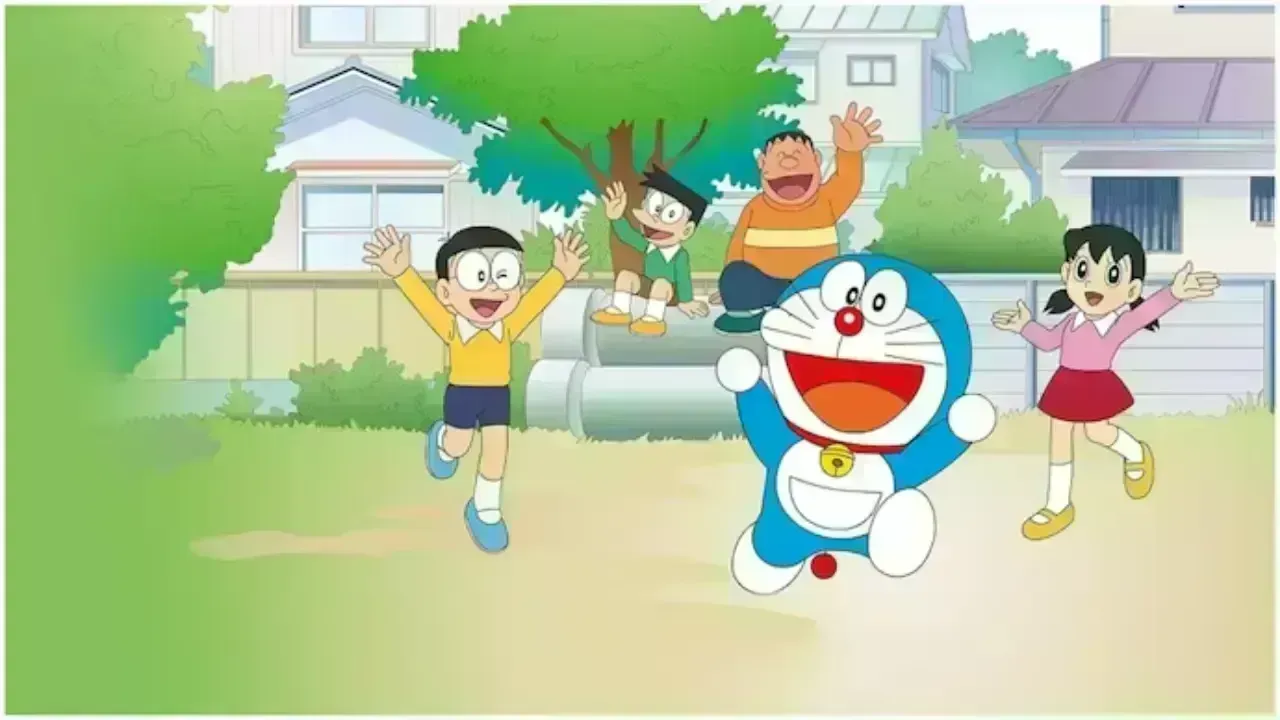
For millions of Indonesians, childhood memories are inseparable from the cheerful presence of Doraemon. The blue robotic cat from the future was not just an animated character on a television screen; it was a familiar friend who appeared week after week, year after year, shaping routines and emotions across generations. After 35 years of continuous broadcasting on Indonesian television, Doraemon has quietly bid farewell, leaving behind a powerful sense of nostalgia and emotional reflection.
The absence of the anime from regular programming schedules came as a surprise to many viewers who had grown accustomed to its presence. For some, it marked the first time in decades that their television screens no longer featured Doraemon’s adventures with Nobita and friends. This moment was not merely about a show ending; it felt like a shared chapter of childhood and family life closing all at once.
As fans took to online platforms to express sadness, gratitude, and disbelief, it became evident that Doraemon’s departure was far more than a routine programming change. It was the end of an era deeply rooted in Indonesian pop culture.
Doraemon’s journey in Indonesia began in the late twentieth century, when Japanese animated content started gaining popularity across Southeast Asia. The anime found a natural home on Indonesian television, quickly becoming a staple of weekend and holiday viewing. Its stories, though set in Japan, felt instantly relatable due to their focus on school life, friendships, family dynamics, and everyday struggles.
Children were drawn to Doraemon’s futuristic gadgets, while parents appreciated the gentle moral lessons embedded within each episode. This balance allowed the show to appeal to entire households, ensuring its long-term success.
One of the key reasons Doraemon endured for 35 years was consistency. The show maintained a regular broadcast schedule, creating habits that spanned decades. Children who watched Doraemon in the 1990s later found themselves introducing the same episodes to their own children, creating a rare continuity in television consumption.
This consistency transformed Doraemon from a cartoon into a tradition.
At its core, Doraemon thrived on simple storytelling. Each episode presented a familiar problem, an imaginative solution, and a meaningful lesson. Nobita’s struggles at school, his insecurities, and his dependence on Doraemon mirrored real-life childhood experiences, making the stories emotionally accessible.
Rather than relying on fast-paced action or complex plots, the anime focused on empathy, kindness, and personal growth. This approach allowed it to remain relevant despite changing entertainment trends.
Although Doraemon originated in Japan, its themes translated seamlessly into Indonesian culture. Friendship, responsibility, honesty, and perseverance are values understood universally. Doraemon’s futuristic tools may have been fictional, but the emotional challenges faced by the characters felt real.
This universality ensured that viewers did not see the anime as foreign. Instead, it felt familiar, comforting, and deeply personal.
For decades, Doraemon served as a reason for families to gather in front of the television. Children waited eagerly for their favorite episodes, while adults often watched alongside them, reminiscing about their own childhoods.
In an era before smartphones and on-demand streaming, such shared viewing moments played a crucial role in family bonding. Doraemon became part of these quiet, meaningful routines.
Many Indonesians associate Doraemon with specific phases of their lives. School holidays, lazy weekends, exam breaks, and festive seasons often coincided with watching the anime. Over time, Doraemon became a marker of growing up, silently accompanying viewers through different stages of life.
Its sudden absence disrupted that sense of continuity.
The realization that Doraemon was no longer airing did not arrive with an announcement or farewell episode. Instead, viewers gradually noticed its absence from television schedules. What initially seemed like a temporary change soon became permanent.
The lack of formal communication amplified the emotional response. Fans were left to process the end on their own, filling the silence with memories and reflections.
After 35 years of uninterrupted presence, the anime’s quiet removal felt sudden. For a show that had accompanied viewers for so long, the absence of closure was particularly difficult. Many felt that Doraemon deserved a more ceremonial goodbye, reflecting its importance in Indonesian television history.
Once the news spread, online platforms were flooded with reactions. Former viewers shared childhood photos, favorite scenes, and emotional messages describing how Doraemon shaped their early years. Some expressed sadness, while others focused on gratitude for the joy the show brought into their lives.
What stood out was the diversity of voices. Teenagers, adults, and even grandparents joined the conversation, highlighting the anime’s broad generational reach.
The shared experience of watching Doraemon created an instant bond among fans online. Strangers connected through memories of specific gadgets, episodes, and emotional moments. This collective nostalgia turned the farewell into a communal event rather than an isolated disappointment.
Names like Nobita, Shizuka, Gian, and Suneo became instantly recognizable across Indonesia. Their personalities reflected familiar archetypes, making them easy to relate to and remember. Over time, these characters became part of everyday language and humor.
References to Doraemon’s gadgets often appeared in jokes, conversations, and even classroom discussions.
Doraemon’s futuristic tools sparked curiosity in science, technology, and imagination. For many children, the show was an early introduction to creative thinking and problem-solving. It encouraged viewers to imagine solutions beyond conventional limits.
This subtle educational influence contributed to the anime’s lasting impact.
Careful localization played a major role in Doraemon’s success. Dialogues were adapted thoughtfully, ensuring cultural relevance without losing the original essence of the story. This approach allowed Indonesian viewers to connect naturally with the characters.
The result was an anime that felt less like an imported show and more like a familiar part of daily life.
The language used in the show was simple yet expressive, making it accessible to young children while still meaningful for adults. This inclusivity helped Doraemon maintain a wide audience base over the decades.
Doraemon’s departure from traditional television reflects broader shifts in media consumption. Audiences today increasingly rely on digital platforms, streaming services, and flexible viewing options.
While Doraemon continues to exist beyond television, its absence from free-to-air broadcasts marks the end of a specific era in viewing habits.
The emotional response to Doraemon’s farewell highlights the difference between convenience and connection. While digital access offers flexibility, it often lacks the communal experience that scheduled television once provided.
Doraemon symbolized that shared experience.
For many Indonesians, Doraemon was a comforting presence during challenging times. It offered laughter, reassurance, and gentle lessons without judgment. Losing that presence feels deeply personal.
The farewell triggered memories not just of the show, but of childhood itself.
The end of Doraemon’s broadcast serves as a reminder of how time moves forward. As familiar things disappear, they leave behind reflections on growth, change, and the fleeting nature of childhood.
Even though Doraemon no longer airs on Indonesian television, its stories remain alive through memories, discussions, and cultural references. The anime’s values continue to resonate with those who grew up watching it.
Its influence extends beyond screens into personal identity and shared history.
Doraemon’s legacy is secure. Few shows can claim to have accompanied an entire nation across multiple generations. Its farewell from television does not erase its presence; instead, it solidifies its importance.
The end of Doraemon’s 35-year run on Indonesian television marks the closing of a remarkable chapter in entertainment history. It is a moment filled with nostalgia, gratitude, and quiet reflection. While the blue robot cat may no longer appear on regular TV schedules, its spirit remains deeply embedded in the hearts of millions.
Doraemon was never just a cartoon. It was a friend, a teacher, and a constant companion through childhood. Its farewell reminds us that while shows may end, the memories they create endure forever.
This article is intended for informational and editorial purposes only. Broadcast schedules and programming decisions may change over time based on licensing and distribution policies.










Rabada Misses First Australia Test as South Africa Pick Two Spinners
Kagiso Rabada misses the opener as South Africa vs Australia begins, with Anrich Nortje returning an

Starc Compares Australia's Tough Year to McIlroy's Major Sweep
Mitchell Starc says Australia winning three away Test series and the World Cup would match Rory McIl

France’s Sesterce Plans $11 Billion AI Data Centre in Finland
Sesterce plans a $11 billion AI data centre in Finland, with major expansion, green energy plans and

Danaher to Launch AI-Powered Autonomous Research Lab in 2027
Danaher plans an AI research lab for 2027, combining robotics and automation to speed up drug discov

Musk Welcomes German Support for Tesla Driver Assistance Tech as EU Approval Push Continues
Elon Musk welcomes Germany's backing for Tesla FSD as the company seeks EU approval amid speed, safe

Microsoft and Nvidia CEOs to Unveil AI Laptop at San Francisco Event
Microsoft and Nvidia showcase a new AI laptop with RTX Spark chips as they push powerful local AI co