You have not yet added any article to your bookmarks!
Join 10k+ people to get notified about new posts, news and tips.
Do not worry we don't spam!
Post by : Meena Ariff
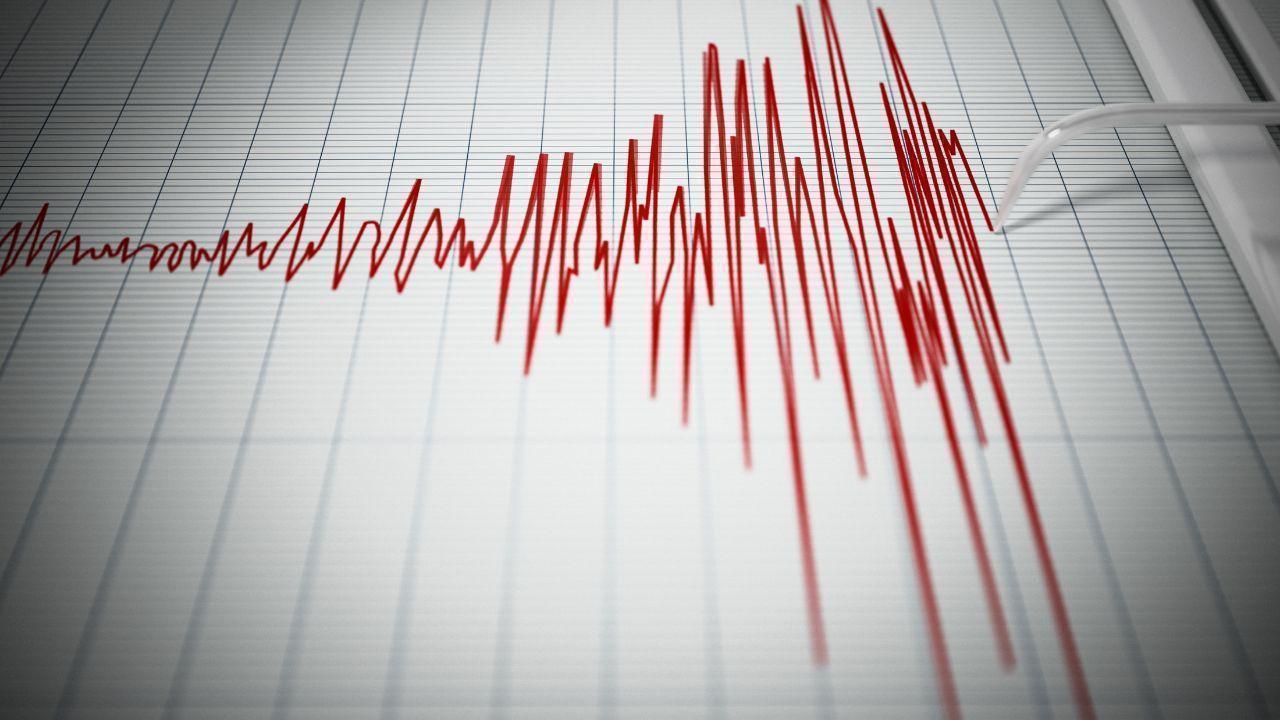
A strong earthquake measuring 5.2 on the Richter scale struck the Hindu Kush region of Afghanistan recently, creating fear and panic among the people living in nearby areas. According to seismologists, the quake originated deep underground, which is a common feature of earthquakes in this mountainous region. Fortunately, there are no immediate reports of major destruction or loss of life, but the tremors were felt across different provinces and even in some neighboring countries.
Location and Epicenter
The earthquake’s epicenter was in the Hindu Kush mountain range, which stretches across northeastern Afghanistan. This area is known for frequent seismic activity due to the movement of tectonic plates beneath the Earth’s surface. The quake struck at a considerable depth, which often helps in reducing the impact on the surface compared to shallow earthquakes. Still, many residents felt the shaking strongly, and it led to people rushing out of their homes in fear.
People’s Reaction on the Ground
People in the affected areas described the tremors as lasting for several seconds. Many families left their homes and gathered in open spaces, fearing aftershocks. Shops, schools, and offices were temporarily disrupted as people prioritized their safety.
In rural villages, where houses are made of mud and stones, families check their walls and roofs for cracks. In cities like Kabul, residents in tall buildings reported the shaking more intensely. Thankfully, no reports of collapsed buildings or heavy damage have been confirmed so far, but local authorities continue to assess the situation.
Earthquakes in the Hindu Kush Region
The Hindu Kush area is known as one of the most earthquake-prone zones in Asia. It lies at the meeting point of the Indian and Eurasian tectonic plates. These plates are constantly pushing against each other, which creates enormous pressure underground. When that pressure is released, it results in earthquakes.
Over the years, Afghanistan has faced several devastating earthquakes. Some have caused thousands of deaths, especially in remote areas where houses are weak and emergency services are limited. That is why even a moderate quake like this one brings back fear and memories of past disasters.
Government and Emergency Response
Right after the earthquake, Afghanistan’s disaster management teams began collecting information from different provinces. Local officials were instructed to remain alert and provide immediate assistance if needed. Hospitals and medical teams were also put on standby, in case injured people were brought in.
Authorities have also advised people to stay calm but remain cautious. Citizens were reminded to avoid staying inside damaged buildings and to prepare emergency supplies like food, water, and first-aid kits. In many communities, mosques and open fields became temporary safe spaces where families gathered.
Neighboring Countries Also Felt Tremors
The tremors from this earthquake were not limited to Afghanistan alone. Reports suggest that people in northern Pakistan and parts of Tajikistan also felt the shaking. Cities such as Islamabad and Peshawar in Pakistan often experience aftershocks from Hindu Kush quakes because of the shared geological fault lines. Thankfully, no damage has been reported from these countries either.
Importance of Earthquake Preparedness
Experts say that earthquakes cannot be predicted, but preparedness can save lives. In Afghanistan, where many people live in fragile houses, even moderate quakes can cause destruction. This is why awareness campaigns and stronger construction methods are very important.
Simple steps like building earthquake-resistant structures, teaching children how to stay safe during tremors, and preparing emergency kits can make a big difference. Governments, aid organizations, and local communities must work together to improve safety in this earthquake-prone region.
Memories of Past Quakes
Afghanistan has a history of deadly earthquakes. Just last year, powerful quakes in eastern Afghanistan killed hundreds of people and destroyed thousands of homes. In 2015, another major earthquake in the Hindu Kush region claimed many lives across Afghanistan and Pakistan.
These painful memories make every new tremor frightening for people. Many survivors of past disasters say they still feel anxious whenever the ground shakes. For them, the sound of windows rattling or walls vibrating brings back moments of loss and fear.
Current Situation and Outlook
As of now, no deaths or serious injuries have been reported from the 5.2 magnitude earthquake. Authorities are still monitoring the situation, as aftershocks are common in such regions. People have been urged to remain alert and follow safety instructions.
For the moment, Afghanistan has been spared from tragedy, but the event is a reminder of the country’s vulnerability to natural disasters. The international community often steps in with aid during major quakes, but experts stress that long-term safety depends on stronger infrastructure and disaster readiness inside the country itself.
The 5.2 magnitude earthquake in Afghanistan’s Hindu Kush region shook the ground and reminded everyone of the fragile safety of life in this earthquake-prone area. While no major damage has been reported so far, the incident highlights the need for better preparedness, stronger buildings, and public awareness.








Josh Kerr and Jakob Ingebrigtsen Set for 1,500m Rivalry Rematch
Josh Kerr and Jakob Ingebrigtsen will renew their 1,500m rivalry at the Ultimate Championship in Bud

PSG Coach Luis Enrique Urges Players to Step Outside Comfort Zone
PSG coach Luis Enrique says players must leave their comfort zone and keep improving as the club tar

China’s Tiangong Sets New 400m Record at Robot Olympics
China’s Tiangong robot sets a new 400m record at the Robot Olympics, beating a South African robot i

George Russell Wins Dutch GP Sprint, Boosts Mercedes Morale
George Russell wins the Dutch GP Sprint from pole as Mercedes teammate Kimi Antonelli extends his F1

Australia 50/3 After Bangladesh Bowled Out for 64 in Second Test
Australia reached 50/3 after Bangladesh were bowled out for 64 in the second Test, with Mitchell Sta

Jordan Burroughs Returns to Wrestling with 2028 Olympic Dream
Jordan Burroughs returns to wrestling with Real American Freestyle as the Olympic champion eyes a po