You have not yet added any article to your bookmarks!
Join 10k+ people to get notified about new posts, news and tips.
Do not worry we don't spam!
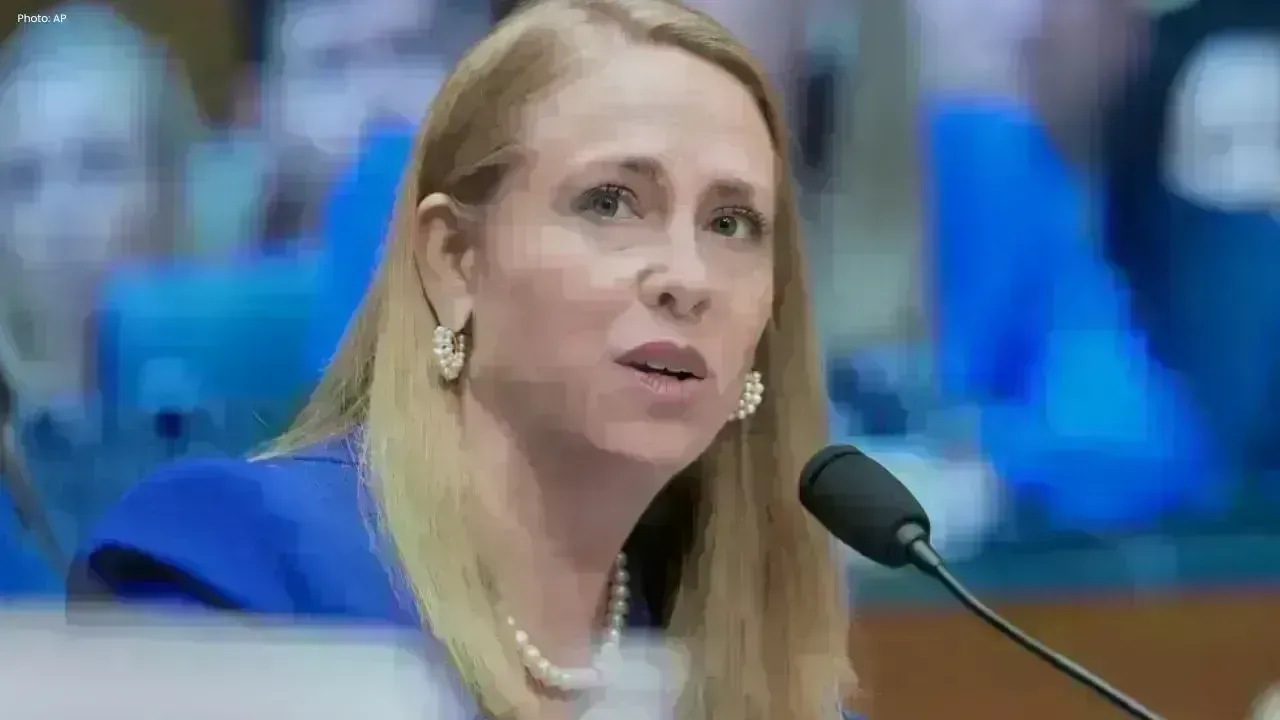
Post by : Badri Ariffin
A recent post by Andrea Lucas, the Chair of the U.S. Equal Employment Opportunity Commission (EEOC), has ignited a nationwide dialogue regarding workplace discrimination and diversity initiatives. In her appeal for white men to report instances of race or gender discrimination, Lucas has highlighted ongoing controversies surrounding diversity, equity, and inclusion (DEI) programs in American corporations.
Published on X, Lucas encouraged white male employees who feel discriminated against to reach out to the EEOC for assistance in pursuing claims under federal civil rights statutes. The post included a link to the agency’s fact sheet addressing DEI-related discrimination and underscored the importance of timely reporting.
Her statement quickly amassed millions of views, appearing shortly after Vice President JD Vance criticized DEI practices. Lucas responded directly to Vance, arguing that discrimination against white men has often been overlooked or even endorsed by societal “elites.” She affirmed her commitment to eradicating such discrimination through the EEOC.
While Lucas and Vance have not commented further, their exchanges sparked a divide, with supporters of DEI initiatives expressing concerns over her characterization of the issue, countering that such claims misrepresent the true purpose and impact of diversity programs.
Changes to Agency Direction Post-Trump Administration
Since being appointed acting chair in January by President Trump, Lucas has steered the EEOC's focus towards a more conservative strategy on civil rights enforcement, aligning with executive orders that challenge DEI policies.
Earlier in the year, the EEOC and the Department of Justice issued guidelines on potential DEI-related discrimination, cautioning that programs could infringe upon Title VII of the Civil Rights Act if they exclude individuals based on their race or gender.
Critics, including former agency heads, have argued that these guidelines affirm a dangerous narrative about DEI, potentially deterring legitimate efforts to promote inclusion and fairness in the workplace.
Experts Debate Claims of Bias Against White Men
Many legal experts and advocates for workplace equality have challenged Lucas’ assertions about widespread discrimination against white men. David Glasgow from NYU's Meltzer Center for Diversity emphasized that DEI aims at ensuring equitable treatment and opportunities for all workers, including white men, rather than placing them at a disadvantage.
Glasgow’s data revealed no substantial evidence of systemic discrimination against white males, as leadership roles continue to be largely held by them, indicating that DEI has not significantly altered existing power dynamics.
“If DEI is truly discriminatory,” he remarked, “it has failed to replace white men in leadership roles.”
Concerns Regarding Fair Enforcement
Jenny Yang, former chair of the EEOC, characterized Lucas’ remarks as atypical for a federal leader, stressing that the agency's duty is to uphold rights for all workers instead of favoring any specific group.
By focusing on white men, Yang argued, the EEOC may imply preferential treatment and turn its back on marginalized groups, including transgender individuals, thus deviating from its impartial investigative role.
Yang also noted the necessity for strategic decisions to be rooted in equity, rather than influenced by political ideologies.
A Crucial National Discourse
Lucas’ statements arrive amid mounting scrutiny over DEI initiatives, with critics asserting these programs may endorse reverse discrimination, while supporters uphold their importance in rectifying historical inequalities.
The chair’s declaration has become part of a broader conversation regarding the definitions of discrimination, the demographics considered disadvantaged, and federal priorities in protection.
Future Implications
Legal experts predict an uptick in litigation aiming to contest DEI programs and examine claims of discrimination against white men. Simultaneously, they caution that the EEOC’s reputation hinges on its consistent enforcement of Title VII without political bias.
As Lucas navigates the agency towards a critical examination of DEI initiatives, upcoming months may redefine national policies on workplace equity, determining the EEOC’s new trajectory in either safeguarding civil rights or stepping back from years of diversity initiatives.
The discourse shows no signs of resolving soon. As of now, Lucas’ post has embarked on a new phase in the ongoing national debate over fairness, protection, and the role of government in today's workplaces.








PSG Coach Luis Enrique Urges Players to Step Outside Comfort Zone
PSG coach Luis Enrique says players must leave their comfort zone and keep improving as the club tar

China’s Tiangong Sets New 400m Record at Robot Olympics
China’s Tiangong robot sets a new 400m record at the Robot Olympics, beating a South African robot i

George Russell Wins Dutch GP Sprint, Boosts Mercedes Morale
George Russell wins the Dutch GP Sprint from pole as Mercedes teammate Kimi Antonelli extends his F1

Australia 50/3 After Bangladesh Bowled Out for 64 in Second Test
Australia reached 50/3 after Bangladesh were bowled out for 64 in the second Test, with Mitchell Sta
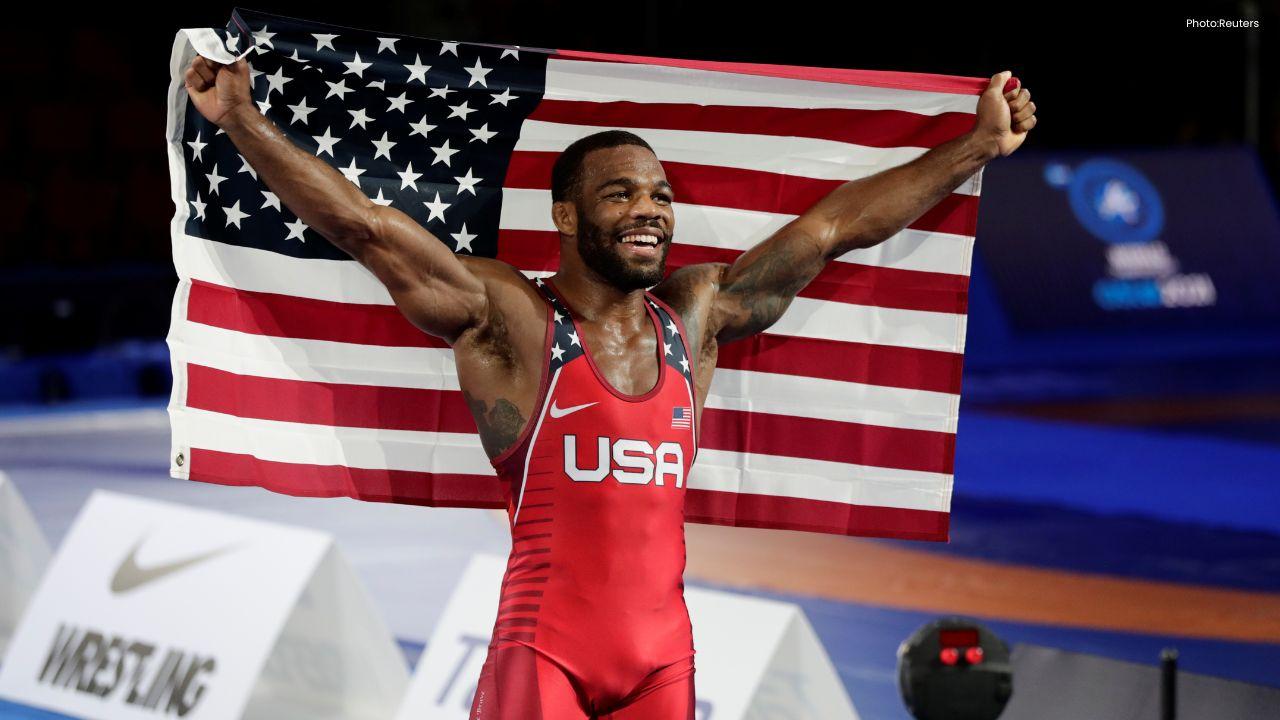
Jordan Burroughs Returns to Wrestling with 2028 Olympic Dream
Jordan Burroughs returns to wrestling with Real American Freestyle as the Olympic champion eyes a po

Lamborghini Catches Fire on Singapore's ECP, Causing Heavy Traffic
A Lamborghini caught fire on Singapore's ECP, causing heavy traffic and bus delays. No injuries were