You have not yet added any article to your bookmarks!
Join 10k+ people to get notified about new posts, news and tips.
Do not worry we don't spam!
Post by : Samjeet Ariff
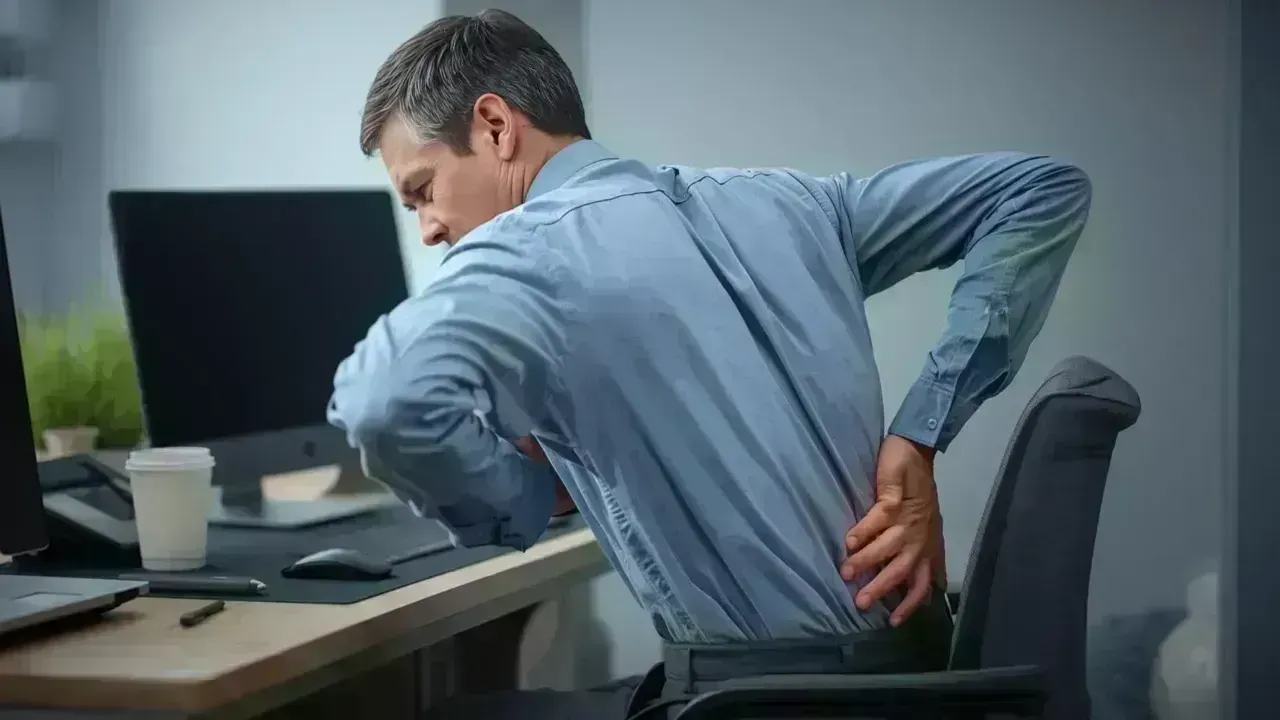
In today’s society, a sedentary lifestyle has become the norm, with office jobs, remote working, long commutes, and continuous screen usage leading to excessive sitting. When we remain seated for long stretches, our muscles weaken, joints stiffen, and considerable pressure accumulates on the lower back. This can escalate into chronic pain and discomfort, even among younger individuals.
Sitting exerts greater pressure on the spine compared to standing. Incorrect posture can compress spinal discs, hinder blood flow to muscles, and tense hip flexors. Slouching, along with a forward-head position, strains the neck and upper back. Without sufficient movement, spinal alignment deteriorates, contributing to muscle imbalances and nerve irritation.
Back pain tied to long hours of sitting often develops gradually. Indicators include stiffness when rising, dull aches in the lower back, tightness in the hips, tension in the neck and shoulders, decreased flexibility, and worsening pain by the end of the workday. Neglecting these early warnings can result in long-term postural issues.
Adopting the right sitting posture is crucial for alleviating back pain associated with prolonged sitting. It’s advisable to sit upright with relaxed shoulders and flat feet on the floor. Hips should be positioned slightly higher than knees, and crossing legs should be avoided. Ensure your screen is at eye level to prevent slouching. Using a small lumbar support or cushion can aid in maintaining the spine’s natural curve.
An ergonomic work environment minimizes strain on the spine and muscles. Your chair should support your lower back and allow a slight recline. Desk height should permit elbows to rest comfortably. Keyboards and mouse should be easily accessible to reduce shoulder strain. Making simple adjustments can lead to significant improvements in daily comfort.
The human body is not built for prolonged stillness. Standing every 30 to 45 minutes helps rejuvenate blood circulation and lessen muscle stiffness. Quick walks, gentle stretches, or posture resets during breaks can prevent accumulated discomfort throughout the day. Regular movement is more beneficial than lengthy workout sessions for spinal health.
Stretching tight muscles alleviates pressure from the spine. Effective practices include gentle back extensions, seated spinal twists, shoulder rolls, and hip flexor stretches. Spending just a few minutes stretching during work hours can enhance flexibility and alleviate tension. Ensure that stretching is slow and comfortable to avoid injury.
A weak core adds unnecessary strain on the lower back. Enhancing core strength promotes spinal stability and good posture. Simple exercises like planks, pelvic tilts, and controlled leg lifts can enhance strength without needing heavy equipment. A strong core diminishes the likelihood of experiencing back pain from extended sitting.
Back pain is also influenced by overall lifestyle choices. Sleeping on a supportive mattress, maintaining a healthy weight, and avoiding prolonged phone use in slouched positions can protect the spine. Using heavy bags on one shoulder and poor shoe choices can further contribute to back discomfort over time.
Regular exercise keeps muscles flexible and joints functioning well. Activities like walking, swimming, yoga, and light strength training are particularly advantageous for back health. Consistent moderate activity can counteract the adverse effects of prolonged sitting and help improve posture effectively.
Stress often induces muscle tightness, especially around the back and shoulders. Deep breathing and relaxation methods can help release tension. Thoughtful breathing enhances oxygen flow to muscles and can reduce discomfort related to stress and physical rigidity.
Heat can help soothe tight muscles and enhance circulation, making it useful for stiffness attributed to prolonged sitting. Cold applications may be helpful to minimize inflammation if sharp pain is present. Alternating these methods can offer temporary respite alongside proper posture and movement.
Reckoning with pain signs, remaining seated for prolonged periods without breaks, working from beds or sofas, and relying solely on pain relievers are frequent mistakes. Alleviating pain without addressing the underlying causes can result in persistent discomfort. Sustained relief is rooted in regular posture correction and movement.
If back pain persists beyond weeks, intensifies, or is accompanied by numbness, tingling, or weakness in the legs, seeking medical advice is crucial. Timely diagnosis can prevent serious spinal problems and long-term repercussions.
Minimizing back pain from extensive sitting requires building daily routines rather than relying on quick fixes. Minor adjustments in posture, movement, and activity levels can create lasting change. Consistency outweighs the benefits of intense but infrequent efforts.
Back pain from extended sitting hours is a growing concern, yet largely preventable. Adopting proper posture, integrating regular movement, creating an ergonomic work setup, and employing straightforward strengthening exercises can significantly alleviate discomfort. Prioritizing daily habits safeguards spinal health and elevates overall quality of life.
This article serves informational purposes only and is not a substitute for professional medical advice. Those facing severe or ongoing back pain should contact a qualified healthcare professional for appropriate diagnosis and treatment.
#Fitness #Exercises #Backpain #Desk Exercises #Fitness and Wellness










Study Warns Using AI for Medical Advice Is ‘Dangerous’ as Users Get Inaccurate Health Guidance
A major new study reveals that artificial intelligence (AI) chatbots and tools may give misleading o

Top Sci-Fi Movies Streaming on Netflix This February: Must-Watch Picks for Genre Fans
A curated news-style guide to the best science fiction films currently available on Netflix in Febru

BCCI Central Contracts Shake-Up: Kohli, Rohit Moved to Grade B as Board Reshapes 2025–26 List
Virat Kohli and Rohit Sharma have been placed in Grade B in the BCCI’s 2025–26 central contract list

Dalal Street Spotlight: Top 10 Stocks Investors Are Watching as Markets Open on a High
Indian stock markets begin the week with strong momentum, and several blue-chip and mid-cap stocks a

Market Movers Today: Key Stocks Set To Watch In Indian Markets
Indian equity markets are poised for active trading as several major companies, including Bharti Air

Milan Welcomes the World: Inside the Grand Opening Ceremony of the 2026 Winter Olympics
The 2026 Winter Olympics opening ceremony in Milan marked a defining moment for global sport, blendi