You have not yet added any article to your bookmarks!
Join 10k+ people to get notified about new posts, news and tips.
Do not worry we don't spam!
Post by : Saif Rahman
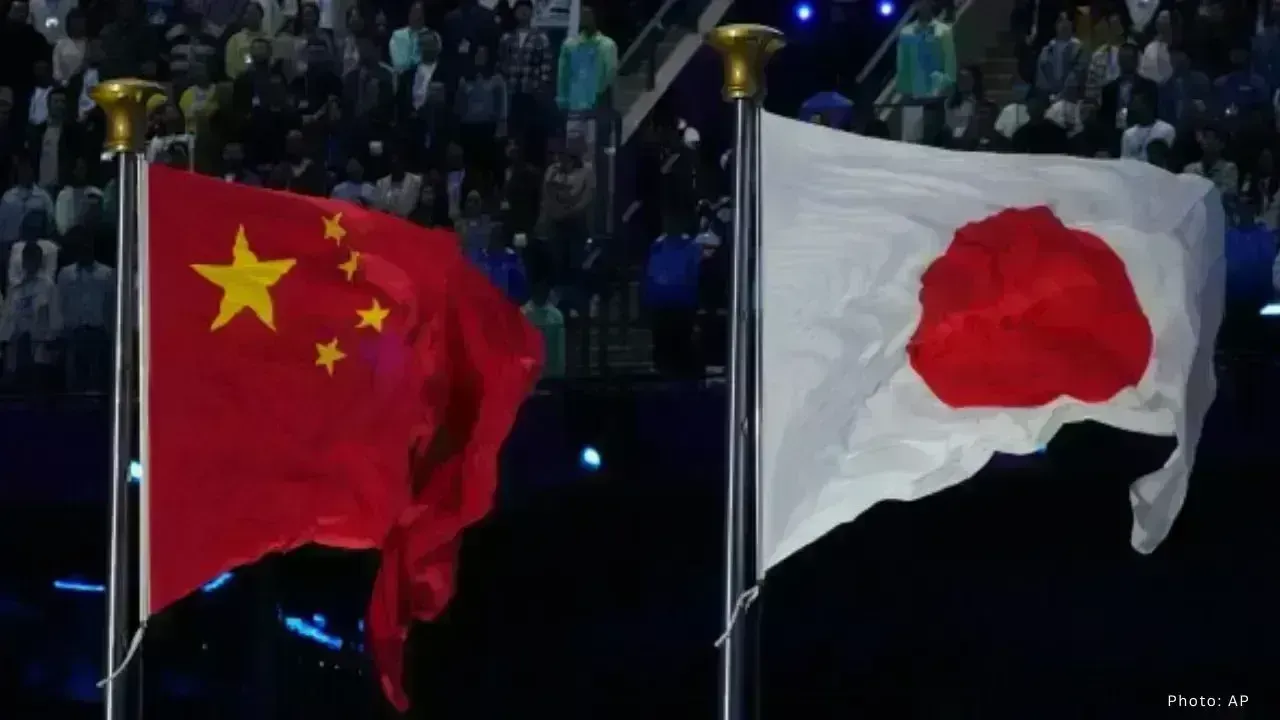
As 2026 arrives, tensions between China and Japan are escalating once again. The intricate web of history, trade, and security has long complicated their relationship. Recently, China criticized Japan's remarks regarding Taiwan and implemented new trade restrictions, intensifying concerns about rivalry in the region.
The spark for these tensions was ignited by Japan's Prime Minister, Sanae Takaichi, who stated that Japan might resort to military action if China threatened Taiwan. In response, China condemned these remarks as interference in its internal affairs, asserting that they undermine regional stability. Additionally, China has criticized Japan's military movements and historical actions, recalling past conflicts and occupations.
Trade disputes have also surfaced prominently, with China enforcing new controls on "dual-use exports" to Japan—products potentially applicable for military use, such as advanced technology and rare earth materials. Furthermore, China has initiated an investigation into the price drop of dichlorosilane, a gas utilized in chip manufacturing, underlining negative impacts on its industry. Japan has labeled these actions as "completely unacceptable and deeply regrettable."
The weight of history looms over the disputes, as China frequently urges Japan to acknowledge its past aggressions during the early 20th century. Reports from Chinese institutions have raised alarms over Japan's right-wing factions and any potential nuclear ambitions, fueling unease further.
Simultaneously, China has been fostering closer relations with South Korea. During a four-day visit, South Korean President Lee Jae Myung and Chinese officials signed deals focusing on trade, technology, and environmental initiatives. Notably, China has begun promoting tourism to South Korea over Japan, indicating a shift in regional dynamics.
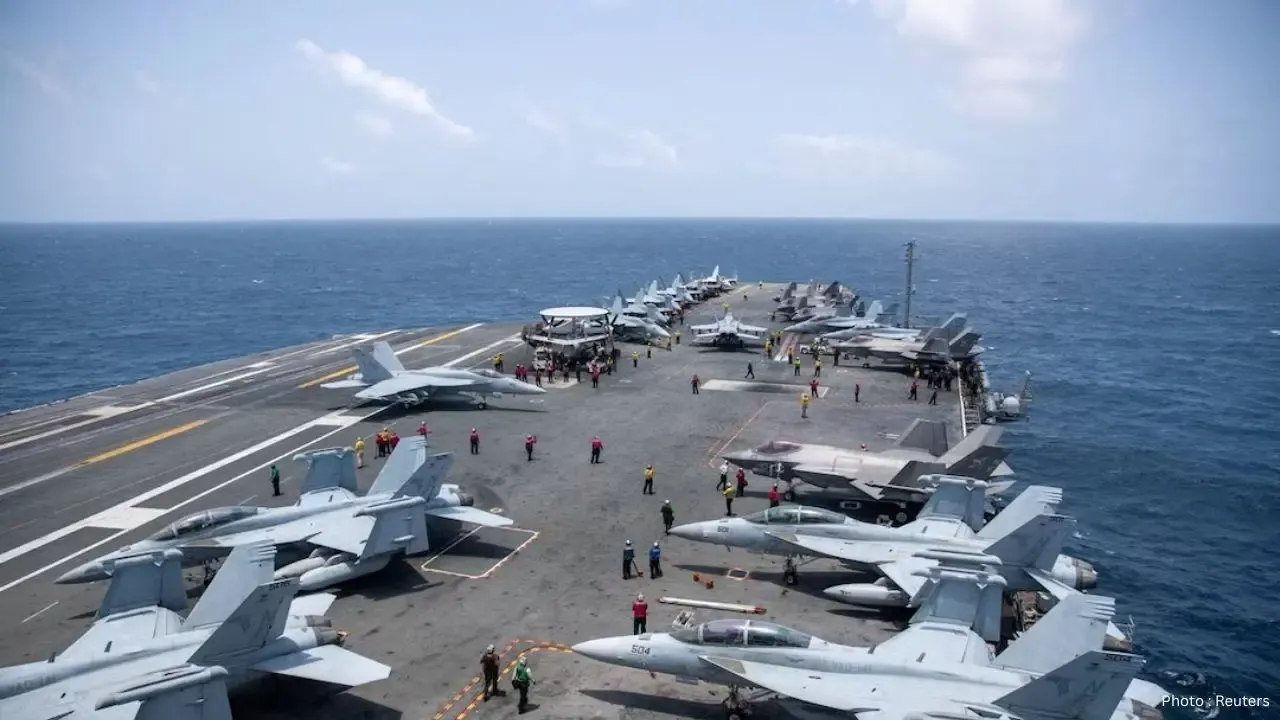
With no sign of easing tensions, Japan is enhancing its defense strategies while China remains vigilant regarding its perceived sovereignty threats. Historical grievances and contemporary strategic interests create a precarious landscape in East Asia. Without concerted diplomatic engagement, analysts warn that tensions may continue to escalate, with implications for both regional security and economic ties.
In conclusion, the relationship between China and Japan remains vulnerable. Historical disputes, military anxieties, and trade conflicts fuel ongoing friction, while China's growing rapport with South Korea introduces new complexities into the regional diplomatic equation. This situation underlines the intricate balance of power in East Asia.








China’s Tiangong Sets New 400m Record at Robot Olympics
China’s Tiangong robot sets a new 400m record at the Robot Olympics, beating a South African robot i

George Russell Wins Dutch GP Sprint, Boosts Mercedes Morale
George Russell wins the Dutch GP Sprint from pole as Mercedes teammate Kimi Antonelli extends his F1

Australia 50/3 After Bangladesh Bowled Out for 64 in Second Test
Australia reached 50/3 after Bangladesh were bowled out for 64 in the second Test, with Mitchell Sta

Jordan Burroughs Returns to Wrestling with 2028 Olympic Dream
Jordan Burroughs returns to wrestling with Real American Freestyle as the Olympic champion eyes a po

Lamborghini Catches Fire on Singapore's ECP, Causing Heavy Traffic
A Lamborghini caught fire on Singapore's ECP, causing heavy traffic and bus delays. No injuries were

Bangkok Airport Duty-Free Area Flooded by Pipe Burst
A burst water pipe flooded the duty-free shopping area at Bangkok's Suvarnabhumi Airport on July 16,