You have not yet added any article to your bookmarks!
Join 10k+ people to get notified about new posts, news and tips.
Do not worry we don't spam!
Post by : Saif Rahman
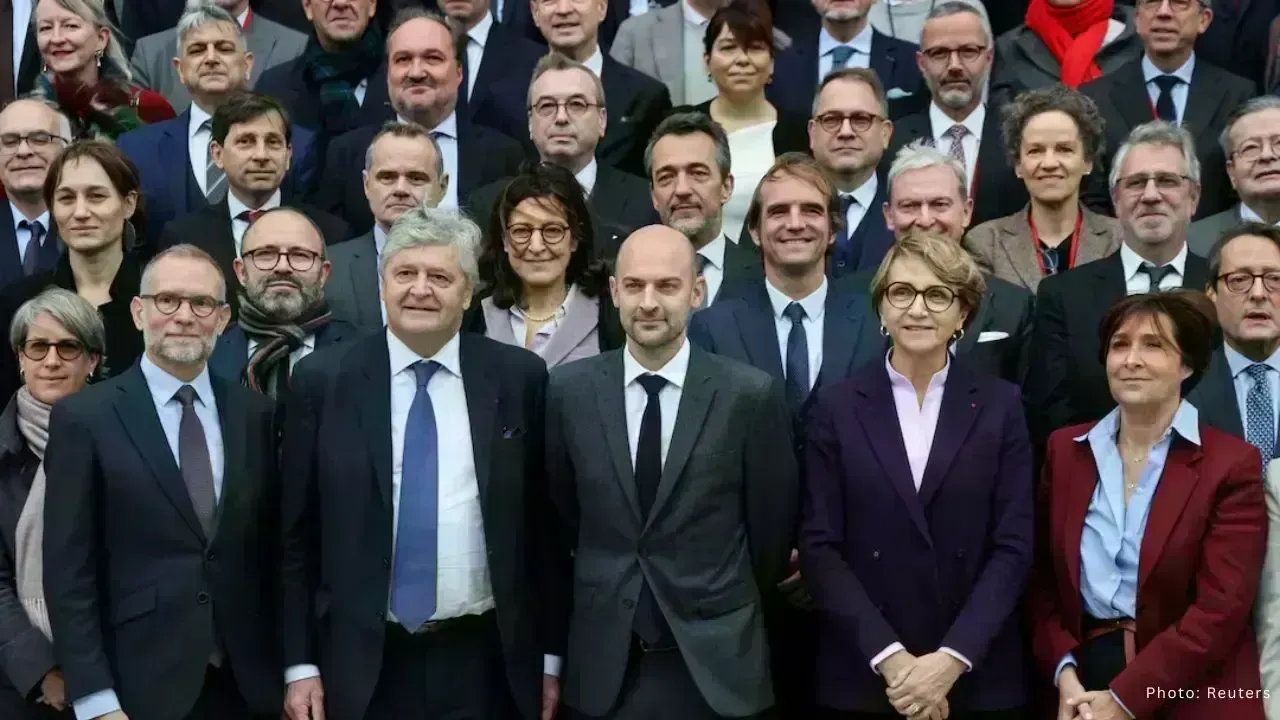
In a firm statement, France underscored Europe’s right to reject U.S. proposals that are perceived as detrimental, highlighting the growing unease within Europe regarding American actions that threaten longstanding ties.
Jean-Noel Barrot, France’s Minister for Europe and Foreign Affairs, conveyed this message during his annual address to French ambassadors in Paris. He emphasized that while the U.S. may reassess its global stance, Europe has the prerogative to defend its own interests. Barrot articulated that even close partners should anticipate pushback if their actions overstep reasonable boundaries.
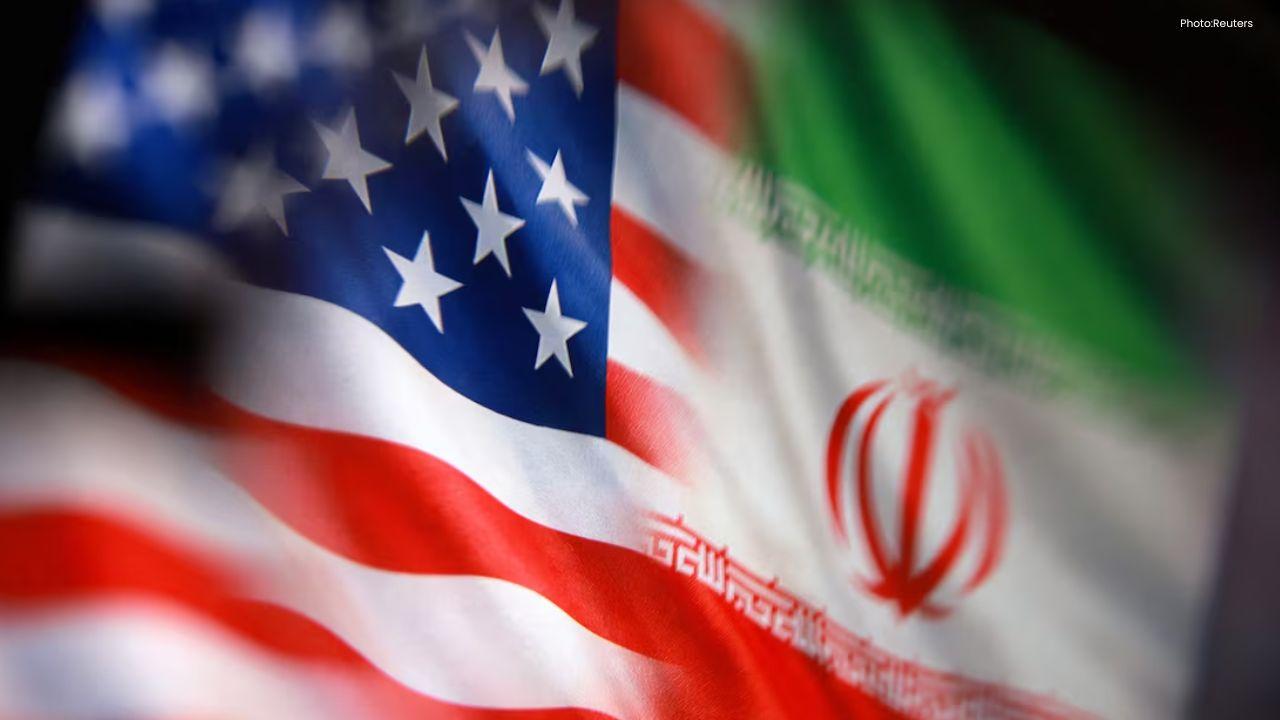
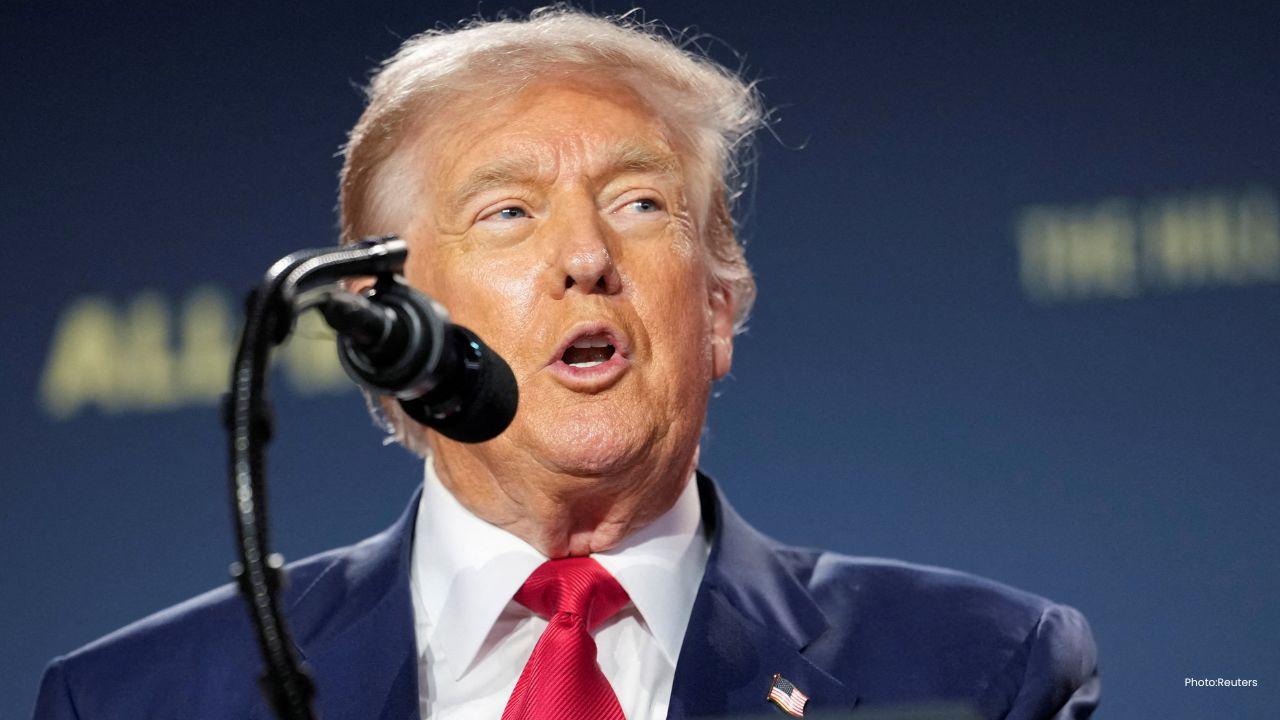
His remarks come as European leaders express discomfort with U.S. President Donald Trump’s “America First” agenda, which has unsettled traditional alliances and raised uncertainty regarding trust between enduring partners. European officials contend these shifts have compelled them to reevaluate their approach to the U.S.
A significant point of contention is Trump's interest in Greenland, a resource-rich autonomous territory of Denmark. While he maintains its importance for U.S. national security, European leaders vehemently oppose this notion, stressing that Greenland is not for sale and asserting that such claims jeopardize European solidarity.
Barrot pointed out that Europe is confronting pressures from various fronts. He likened U.S. maneuvers to other external challenges such as Russia's military actions in Ukraine, stating that Europe is being tested through trade disputes, territorial assertions, and political influence aimed at destabilizing the European Union.
He also criticized what he viewed as U.S. backing for far-right movements in Europe, stating that such strategies undermine shared European values and democratic foundations, especially with a French presidential election approaching in less than two years.
Furthermore, U.S. sanctions targeting European figures engaged in combating online disinformation have emerged as another friction point. While Washington argues these measures protect free speech on its social media, France sees them as intrusions on Europe’s sovereign right to establish its own rules.
Barrot made it clear that France, along with Europe, will maintain its stance. He emphasized that Europe will not accommodate pressures that threaten its autonomy or cohesion. His core message was straightforward: a partnership should not equate to compliance, and mutual respect is essential.
As global politics evolve, Europe is making it known that it seeks a more equitable relationship with the United States—one based on respect, defined boundaries, and shared commitments.







China’s Tiangong Sets New 400m Record at Robot Olympics
China’s Tiangong robot sets a new 400m record at the Robot Olympics, beating a South African robot i

George Russell Wins Dutch GP Sprint, Boosts Mercedes Morale
George Russell wins the Dutch GP Sprint from pole as Mercedes teammate Kimi Antonelli extends his F1

Australia 50/3 After Bangladesh Bowled Out for 64 in Second Test
Australia reached 50/3 after Bangladesh were bowled out for 64 in the second Test, with Mitchell Sta

Jordan Burroughs Returns to Wrestling with 2028 Olympic Dream
Jordan Burroughs returns to wrestling with Real American Freestyle as the Olympic champion eyes a po

Lamborghini Catches Fire on Singapore's ECP, Causing Heavy Traffic
A Lamborghini caught fire on Singapore's ECP, causing heavy traffic and bus delays. No injuries were

Bangkok Airport Duty-Free Area Flooded by Pipe Burst
A burst water pipe flooded the duty-free shopping area at Bangkok's Suvarnabhumi Airport on July 16,