You have not yet added any article to your bookmarks!
Join 10k+ people to get notified about new posts, news and tips.
Do not worry we don't spam!

Post by : Rameen Ariff
Germany has formally accused Russia of conducting a cyberattack on its air traffic control systems and attempting to influence the country’s February general election, charges that Russia has strongly denied. According to a German foreign ministry spokesman, security services have concrete evidence linking hacker groups operated by Russia's military intelligence service, the GRU, to the attacks and disinformation campaigns.
The spokesman stated that German intelligence agencies conducted a detailed analysis and identified the cyberattack as the work of the hacker collective APT28, also known as Fancy Bear. “Our intelligence findings clearly prove that the Russian military intelligence service GRU is responsible for this attack,” he said. The attacks targeted German air safety systems in August 2024, causing concerns about potential disruptions.
In addition to the cyberattack, Germany said Russia attempted to influence the parliamentary elections, where Chancellor Friedrich Merz’s conservative party won and the far-right AfD achieved its highest-ever result. The operation, known as Storm 1516, involved Russian-supported think tanks and online groups spreading deepfake images, disinformation, and manipulated content aimed at dividing society and undermining trust in democratic institutions.
The campaign included false claims about major political figures, including former foreign minister Annalena Baerbock and former vice chancellor Robert Habeck, both of whom are prominent members of the Greens party. German fact-checkers debunked multiple claims, such as allegations that AfD candidates were removed from ballots in Leipzig and votes destroyed in Hamburg.
Germany warned that it will take a series of countermeasures in response to Russia’s hybrid operations, coordinating closely with European partners. Measures will include potential new sanctions on individuals and groups involved, as well as monitoring cross-border movements of Russian diplomats in the Schengen Area starting in January.
The head of Germany’s domestic intelligence agency, BfV, Sinan Selen, emphasized that the Storm 1516 campaign demonstrates a direct attack on Germany’s democratic order. The disinformation network involved pro-Russian influencers, conspiracy theorists, and far-right extremist circles. Governments across Europe remain on high alert over Russian espionage, drone surveillance, sabotage, cyberattacks, and disinformation campaigns.
Germany, which has been a major aid supplier to Ukraine since Russia’s 2022 invasion, has also accused Moscow of drone flights near several European airports in recent months. The foreign ministry spokesperson underlined that Germany possesses “solid proof” of Russia’s involvement but could not disclose further details to protect intelligence operations.






Josh Kerr and Jakob Ingebrigtsen Set for 1,500m Rivalry Rematch
Josh Kerr and Jakob Ingebrigtsen will renew their 1,500m rivalry at the Ultimate Championship in Bud

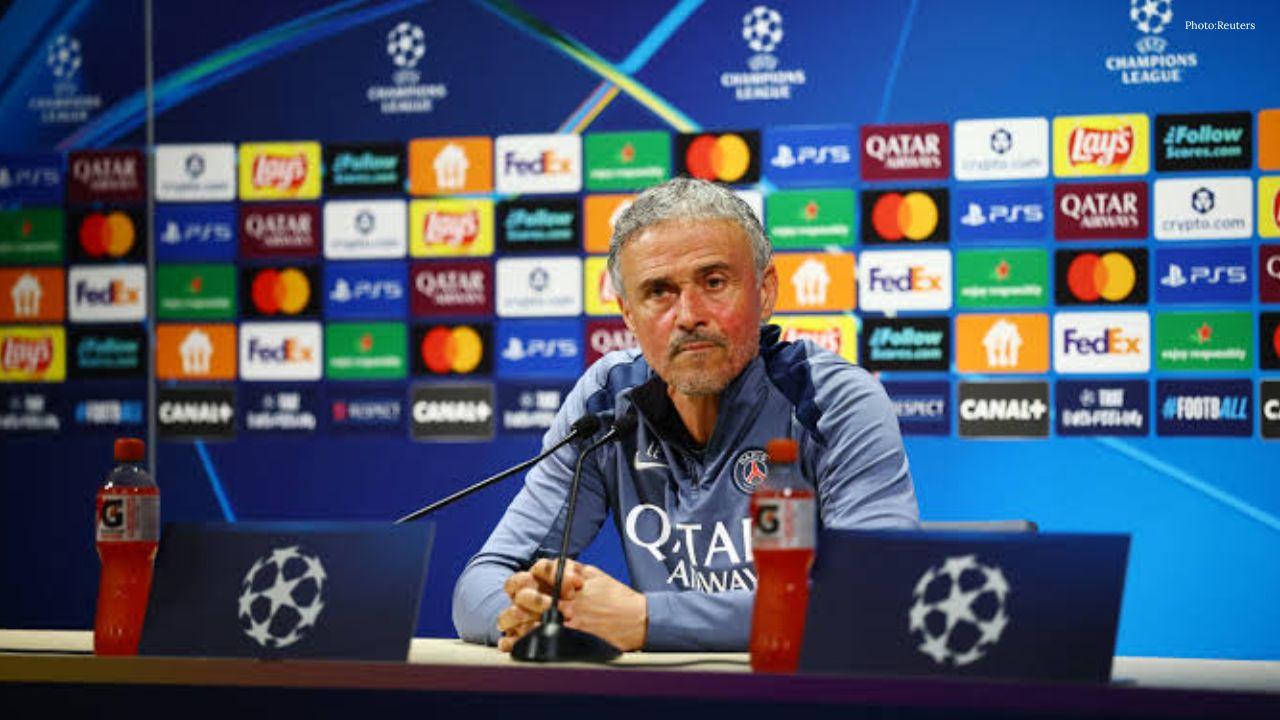
PSG Coach Luis Enrique Urges Players to Step Outside Comfort Zone
PSG coach Luis Enrique says players must leave their comfort zone and keep improving as the club tar

China’s Tiangong Sets New 400m Record at Robot Olympics
China’s Tiangong robot sets a new 400m record at the Robot Olympics, beating a South African robot i
George Russell Wins Dutch GP Sprint, Boosts Mercedes Morale
George Russell wins the Dutch GP Sprint from pole as Mercedes teammate Kimi Antonelli extends his F1

Australia 50/3 After Bangladesh Bowled Out for 64 in Second Test
Australia reached 50/3 after Bangladesh were bowled out for 64 in the second Test, with Mitchell Sta

Jordan Burroughs Returns to Wrestling with 2028 Olympic Dream
Jordan Burroughs returns to wrestling with Real American Freestyle as the Olympic champion eyes a po