
You have not yet added any article to your bookmarks!
Join 10k+ people to get notified about new posts, news and tips.
Do not worry we don't spam!
Post by : Badri Ariffin
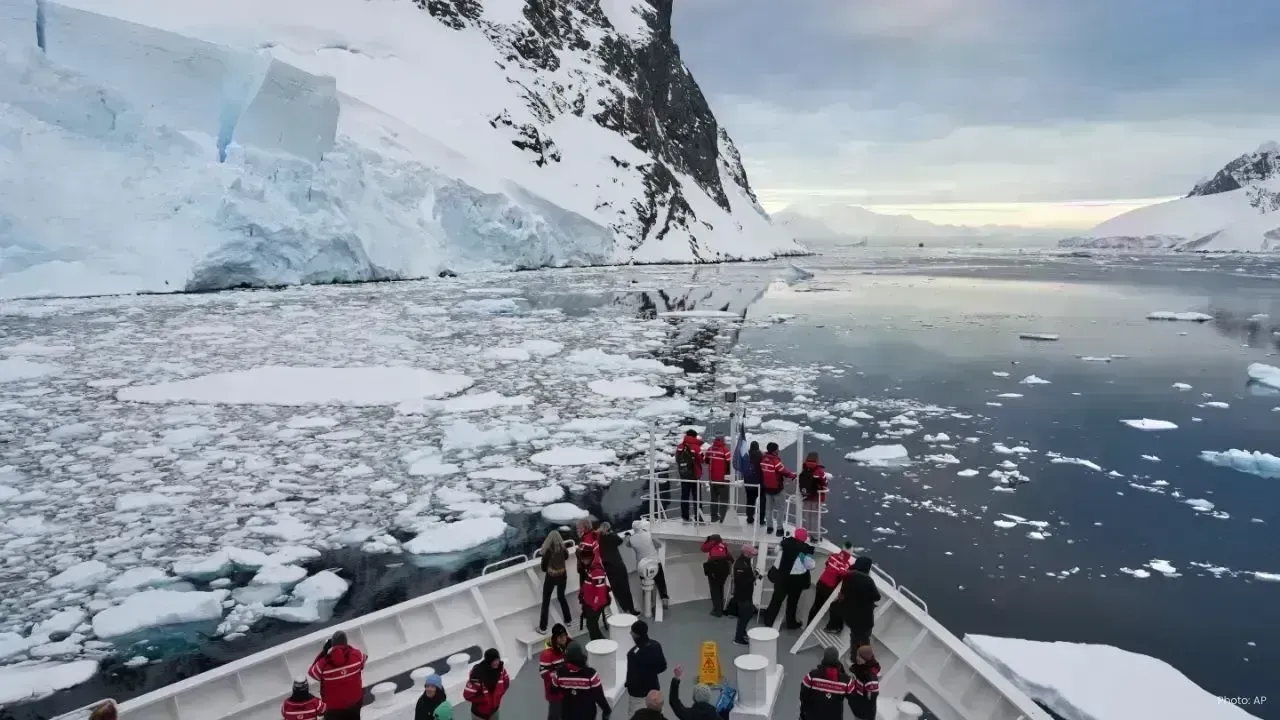
The burgeoning interest in Antarctic tourism is causing alarm among experts, as increasing numbers of visitors threaten the fragile ice landscapes that are already vulnerable to climate change. This uptick poses serious challenges, including potential ecological degradation and health risks.
Despite the high cost and logistical challenges of traveling to this remote location, more tourists than ever are venturing into the Antarctic. Scientists and conservation advocates stress that this growing influx could exacerbate existing vulnerabilities.
A notable incident involving the MV Hondius cruise ship has intensified fears regarding health and safety in the region. The ship was linked to an outbreak of hantavirus during one of its expeditions, spotlighting the dangers linked to Antarctic tourism.
Most visitors flock to the Antarctic Peninsula, recognized as one of the fastest-warming areas globally. Research from NASA indicates that Antarctica has experienced a staggering loss of approximately 149 billion metric tons of ice annually from 2002 to 2020.
The typical route for travelers begins in Argentina, taking them southward towards Antarctica, and then northeast along the African coast.
The region’s distinctive wildlife and breathtaking landscapes, featuring whales, seals, penguins, and gigantic icebergs, continue to pique tourist interest. Environmentalist Claire Christian highlighted that these rare sights leave an indelible mark on visitors.
Tourism has surged dramatically, with over 80,000 visitors to Antarctica in 2024 and an additional 36,000 observing from vessels, as reported by the International Association of Antarctica Tour Operators. Over the past three decades, tourist numbers have escalated nearly tenfold.
Projections suggest that numbers could exceed 400,000 visitors annually within the next decade, fueled by decreasing travel expenses and advanced ship technologies. Many travelers are inspired by “last chance tourism,” eager to witness Antarctica before it undergoes irrevocable changes.
However, the rise in tourist activity amplifies the risk of contamination. The Centers for Disease Control and Prevention has noted that diseases, including avian flu, have reached Antarctica via migratory routes.
To combat these risks, tour operators are enforcing stringent hygiene protocols. Visitors must meticulously clean their footwear and gear to prevent the introduction of harmful organisms into this pristine environment. Additionally, guidelines stress maintaining distance from wildlife and minimizing contact with the ground.
Another pressing concern is public health, as close quarters on cruise ships can facilitate rapid disease spread. Historical cases, such as the COVID-19 outbreak on the Diamond Princess, underscore the potential for viruses to proliferate swiftly.
The World Health Organization is currently examining the hantavirus cases connected to the MV Hondius, with early indications suggesting that the initial infection may have occurred prior to boarding.
Protected under the Antarctic Treaty System, established in 1959 to preserve the region for peaceful and scientific endeavors, Antarctica faces new challenges. Experts argue that the treaty was formed when the level of tourism was far lower than it is today.
In light of these issues, environmental organizations are advocating for stricter regulations to safeguard the continent’s vulnerable ecosystems, home to its penguins, whales, seabirds, seals, and krill.
Yet, despite these alarming developments, the allure of exploring Antarctica continues to rise. Experts caution that even a single footprint can leave a lasting impact, highlighting the extreme sensitivity of this environment.










PM Modi Pays Tribute to Mahatma Gandhi, Urges People to Support Khadi
PM Modi pays tribute to Mahatma Gandhi on Gandhi Jayanti and urges citizens to support Khadi and the

Amazon Seeks to Offload $8 Billion in Nvidia Chips to Investors
Amazon plans to move $8 billion in Nvidia chips to investors, using a new financing model to strengt

Samsung Raises Galaxy S26 Prices as Memory Chip Costs Rise
Samsung raises Galaxy S26 prices in South Korea as rising memory chip costs put pressure on smartpho

Lewis Hamilton Calls Singapore Grand Prix One of F1's Toughest Races
Lewis Hamilton discusses the demanding Singapore Grand Prix and brings Plus44 and Almave to Singapor

Denmark's Pandora Opens World's Largest Jewellery Factory in Vietnam
Pandora opens its largest jewellery factory in Vietnam, expanding global production, strengthening s

Gautam Gambhir Questions Batting-Friendly Pitches After India's Record ODI Chase
Gautam Gambhir questions batting-friendly ODI pitches after India’s record chase, calling for a bett

