You have not yet added any article to your bookmarks!
Join 10k+ people to get notified about new posts, news and tips.
Do not worry we don't spam!
Post by : Anis Farhan
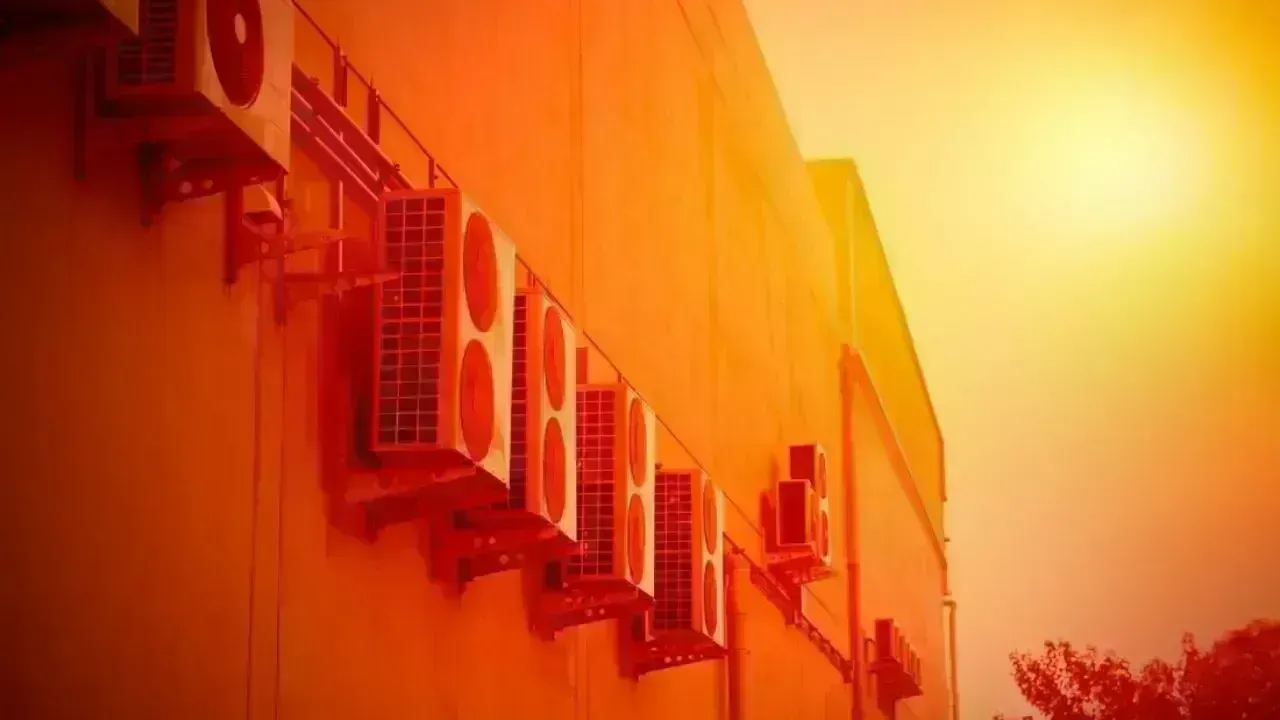
For decades, air conditioning was seen as a symbol of comfort, progress and modern living. A cool home meant status, safety from heat, and better quality of life. But as extreme temperatures become common, cooling is no longer a luxury. It is a survival tool. What changed is not only the weather, but what cooling systems now mean for the planet.
Every new air conditioner installed draws more electricity. Every additional hour of cooling increases energy consumption. In many parts of the world, that energy is still produced by burning fossil fuels. The result is a growing cycle where cooling fights heat while also creating more of it through emissions.
Cooling has quietly moved from a household decision into a planetary issue.
The world is warming, and people respond by cooling their homes. But cooling systems release heat into the atmosphere and demand electricity that often comes from coal and gas power plants. Each degree of temperature drop indoors creates invisible heat outside.
Cities develop what scientists call "heat pockets" where concrete traps warmth and releases it slowly. When air conditioners blow warm air into already heated streets, urban temperatures continue rising. This forces even greater use of cooling, creating a loop with no natural break.
People are cooling homes individually, but warming cities collectively.
Global population is increasing steadily, but electricity demand is increasing much faster. Cooling systems account for a growing share of this surge. In hot regions, summers now bring record-breaking electricity loads. Power grids struggle, blackouts become frequent, and supply shortages make cooling unreliable just when it is needed most.
Air conditioners do not simply consume power. They reshape national energy policies. Governments build more power plants to prevent energy shortages. Those plants then pump more emissions into the atmosphere. Cooling expands infrastructure, and infrastructure expands climate risk.
Electricity demand does not sleep. Neither does climate impact.
Most homes were constructed for a world that is no longer here. Buildings were not designed to withstand long heatwaves. Windows trap heat, roofs absorb sunlight, and walls radiate warmth back into rooms long after the sun disappears.
In many regions, urban development focuses on speed rather than sustainability. Housing projects prioritise cost and speed over insulation, ventilation and solar orientation. Cities grow upward, but not cooler. Apartments become heating chambers during summer afternoons.
When architecture ignores climate, air conditioning becomes the only defence.
Cooling systems rely on chemicals known as refrigerants. These substances allow air conditioners to absorb and release heat, but when they leak, they can be thousands of times more harmful to the climate than carbon dioxide.
Even small leaks from millions of systems create enormous environmental damage. Disposal of old machines often releases refrigerants directly into the atmosphere. Improper recycling increases the problem.
Most people never see the damage. But the atmosphere remembers everything.
Countries with rising incomes are seeing an explosion in air conditioner sales. Economic growth means more households can afford cooling devices, especially in regions that are already warming quickly. This creates a paradox where development itself accelerates climate stress.
Governments face a difficult choice. Cooling saves lives during heat waves, especially for vulnerable populations. But unchecked expansion could push energy systems beyond recovery. Authorities now wrestle with questions of sustainability, affordability and survival.
Cooling policy has become environmental policy.
Climate does not treat everyone equally. Wealthier households can afford cooling. Poorer communities suffer through heat without relief. Informal settlements often lack reliable electricity and insulation. Urban slums face heat exposure that is not just uncomfortable, but deadly.
Heat-related illness strikes hardest where cooling is absent. Migration patterns are beginning to reflect climate pressure as people move from overheated regions to cooler areas in search of survival.
Climate injustice begins inside homes.
As temperatures climb, cooling systems are increasingly viewed as essential infrastructure. Hospitals, schools and elder care facilities rely on air conditioning not for comfort, but for safety. Heat stress causes organ failure, dehydration, and heart complications.
Climate change is turning cooling into a medical issue. When temperatures become extreme, access to cooling determines who lives safely and who does not.
Heat is no longer seasonal.
It is medical.
Engineers and scientists are racing to create more efficient and eco-friendly cooling solutions. Innovations include smarter thermostats, solar-powered cooling, reflective roofing materials and alternative refrigerants.
Some modern designs reduce energy usage by sensing occupancy and adjusting automatically. Others store cooling for later use to ease pressure during peak energy demand. These innovations offer hope, but adoption is slow and expensive.
Technology can help, but only if it becomes accessible.
Even as governments debate policy and industries redesign systems, individual households still matter. How often cooling is used, which temperature is chosen, and how efficiently homes are maintained all influence energy demand.
Small changes can slow damage. Better insulation reduces dependency. Natural ventilation works when used properly. Choosing energy-efficient devices lowers consumption. Shaded windows keep heat out before cooling ever begins.
No home is too small to make an impact.
Urban planning is entering a new phase. Future cities will be built around airflow, shade and reflective surfaces. Green spaces will become vital infrastructure, not decoration. Public cooling spaces will emerge just like public parks.
Architecture will shift from fighting climate to working with it. Cities that fail to adapt will become unlivable islands of heat.
Climate change is reshaping blueprints.
Unchecked growth in cooling demand creates fragile energy systems. Power failures disrupt businesses, schools and transport. Rebuilding grids costs billions. Health systems suffer under heat emergencies.
What appears cheap to ignore today becomes unaffordable tomorrow.
Climate damage has an invoice.
Cooling is not villain. It is a necessity.
But how cooling is done defines whether the future is survivable. Public discussion must move beyond comfort and focus on consequence. Climate literacy must include understanding energy use inside the home.
Awareness is the first solution.
Cooling your home is no longer just about escaping heat. It is now part of a global equation involving energy, environment and equity. Every air conditioner is connected to the planet in ways most people never imagine.
The question is not whether people deserve comfort.
The question is whether comfort can survive without responsibility.
The climate will answer that for us.
DISCLAIMER
This article is for general information and awareness only. It does not substitute professional environmental or energy-related consultation. Readers are encouraged to follow official climate advisories and green building guidelines when planning home improvements.








Jacob Bethell Returns as England Name Squads for Australia Tour
England name ODI and T20 squads for the Australia tour, with Jacob Bethell returning from injury and

Beauden Barrett Opens Up About Mental Struggles During All Blacks Exile
Beauden Barrett discusses his confidence struggles after missing six tests, his return against Austr

IMF Says AI Investment Supports Global Growth Despite Energy Shock
IMF says AI investment is supporting global growth near 3%, with Asian economies benefiting from ris

Will O'Rourke Ruled Out of New Zealand's India Series
New Zealand fast bowler Will O'Rourke will miss the India series with hamstring and calf injuries as

AI Companies Expected to Drive Most US Earnings Growth in Q3
AI companies are expected to drive US third-quarter earnings growth as investors assess tech profits

Money Market Funds See Record Inflows as Global Bond Selloff Intensifies
Global money market funds attract $153.81 billion as bond yields rise, inflation fears persist and i